 Save
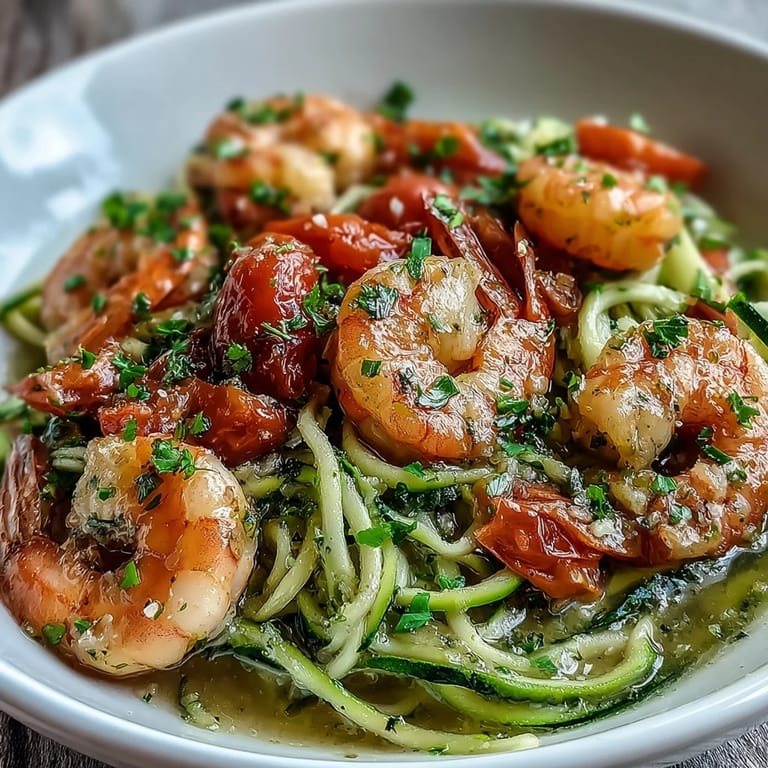
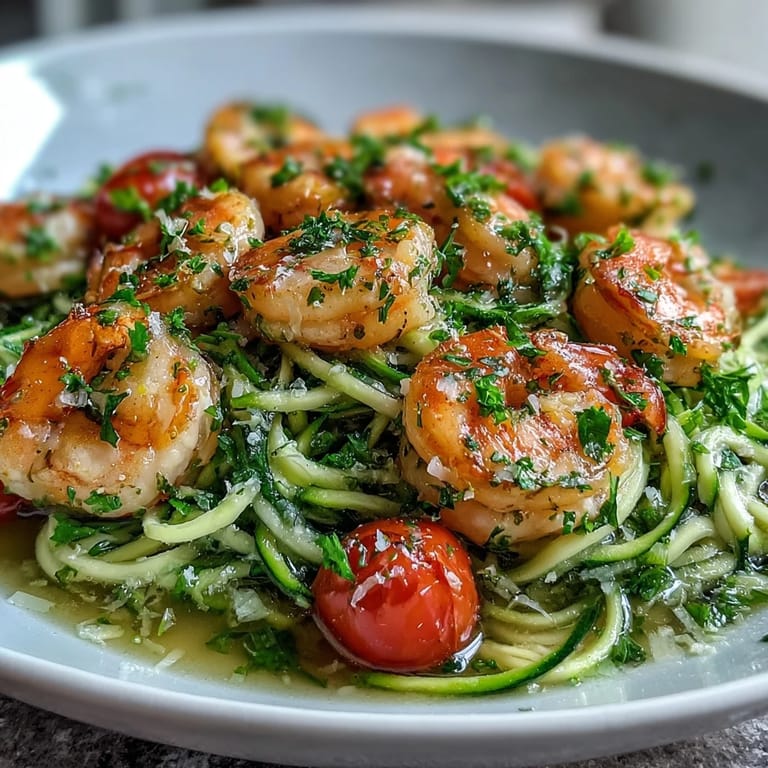
Save There's something about the sizzle of shrimp hitting a hot pan that makes you feel like you're actually cooking something fancy, even on a random Tuesday night. I stumbled into this lighter version of scampi one evening when I had zucchini noodles in the fridge and a craving for something that wouldn't leave me feeling heavy afterward. The first time I made it, I was genuinely shocked at how quickly it came together—barely enough time to pour a glass of wine before everything was done. What started as a practical swap became the dish I now make when I want to feel nourished instead of stuffed.
I made this for my neighbor when she mentioned being tired of heavy weeknight meals, and watching her actually ask for the recipe while eating was one of those small wins that sticks with you. She admitted she'd been intimidated by shrimp, thought it was too finicky, and here she was cleaning her plate. That's when I realized this dish has this quiet power—it looks elegant enough to serve to guests but tastes so effortless that you're not stressed in the kitchen.
Ingredients
- Large shrimp (1 lb): Buy them frozen if fresh aren't available—they thaw beautifully and often cost less, and pat them completely dry before cooking so they get a proper sear instead of steaming.
- Zucchini noodles (4 medium): The spiralizer is worth the counter space; a julienne peeler works in a pinch but takes patience, and whatever method you use, don't prep them more than an hour ahead or they'll weep.
- Baby spinach (2 cups, optional): The heat will wilt it in seconds, so add it at the very end if you're using it.
- Fresh parsley (2 tbsp): This isn't just garnish—it's brightness at the finish line, so don't skip it.
- Cherry tomatoes (1/2 cup, optional): They add a burst of color and slight sweetness that balances the acid, though the dish sings without them too.
- Garlic (4 cloves, minced): Mince it yourself right before you cook; pre-minced garlic tastes like cardboard compared to the fresh stuff.
- Red pepper flakes (1/4 tsp): This is enough heat to warm things up without overwhelming—adjust based on what you're comfortable with.
- Lemon (zest and juice): Use a real lemon, not bottled juice; the zest especially makes a difference in how bright this tastes.
- Olive oil (2 tbsp): The quality actually matters here since it's not being buried under cream or cheese, so use something you'd drizzle on bread.
- Butter (1 tbsp, optional): Or skip it entirely and use all olive oil—the dish doesn't suffer.
- Parmesan (2 tbsp, optional): If you use it, grate it fresh; the pre-grated stuff doesn't melt or blend the same way.
Tired of Takeout? 🥡
Get 10 meals you can make faster than delivery arrives. Seriously.
One email. No spam. Unsubscribe anytime.
Instructions
- Dry your shrimp like your life depends on it:
- Moisture is the enemy of a good sear, so pat them with paper towels until they feel almost chalky, then season lightly with salt and pepper right before they hit the pan.
- Get the pan screaming hot and sear the shrimp:
- Heat 1 tablespoon olive oil in a large skillet over medium-high heat, then add the shrimp in a single layer and resist the urge to move them around—let them sit for 1–2 minutes per side until they turn that perfect opaque pink, then transfer to a plate.
- Build your aromatics gently:
- Lower the heat to medium, add the remaining olive oil and butter, then the garlic and red pepper flakes, and let them perfume the oil for about 1 minute until you can really smell them—this is where the magic starts.
- Toss the zucchini noodles with intention:
- Add them to the skillet and toss with tongs for 2–3 minutes, keeping the heat moderate so they soften just enough to become tender but still have a slight bite—overcooked zucchini noodles turn mushy and watery, which ruins everything.
- Brighten with lemon and tomatoes:
- Add the lemon zest, lemon juice, and halved cherry tomatoes if you're using them, and toss everything together so the flavors start mingling and the tomatoes begin to soften slightly.
- Bring it all back together:
- Return the shrimp to the skillet along with any juices that pooled on the plate, add the spinach if you're including it, and toss just until the spinach wilts—this takes about 30 seconds.
- Finish with a flourish:
- Remove from heat, stir in the fresh parsley, taste everything, and adjust salt and pepper as needed—sometimes the lemon juice needs a tiny pinch more salt to really sing.
- Serve immediately:
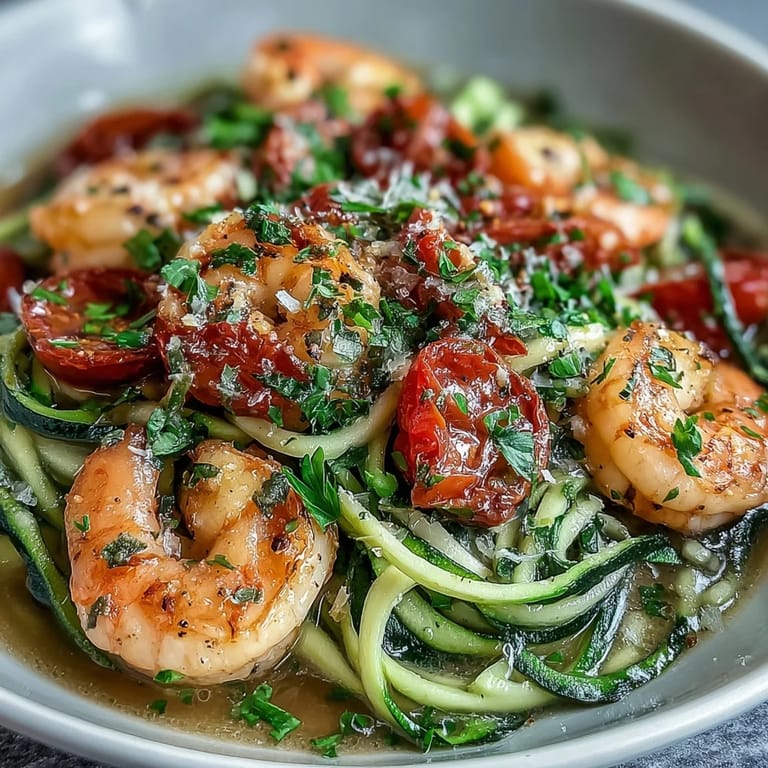
- Divide among bowls and top with grated Parmesan if you want it, though honestly this dish is stunning naked too.
 Save
Save My mom made a comment once while eating this that stuck with me—she said it tasted like restaurant food that actually wanted to be good for you instead of just pretending. That's exactly what this dish is, and why I keep coming back to it.
The Secret to Not Overcooking Your Shrimp
The difference between tender shrimp and rubbery shrimp is honestly just about 30 seconds and paying attention. I used to be paranoid about undercooked shrimp, so I'd leave it in way too long, and then I realized shrimp is pretty hard to actually undercook if you're searing it properly. The moment it turns opaque pink, it's done—the residual heat will carry it the rest of the way. Pull it off the heat, transfer it to a plate, and let the skillet do its thing while you build the sauce.
Zucchini Noodles Are Not Pasta
This was a revelation that changed how I cook with them. They're delicate and release water as they warm, so they need high heat, minimal cooking time, and constant tossing to stay intact. If you're used to cooking with regular pasta, you'll instinctively be too gentle and too slow with zucchini noodles—fight that instinct. Keep the heat at medium or medium-high, use tongs to toss them confidently, and pull them off the heat while they still have a little resistance.
Making This Dish Your Own
The beautiful thing about scampi is that it's a framework, not a rulebook. I've made this with white wine added to the garlic oil, with capers instead of tomatoes, with fresh dill instead of parsley, and it's worked every single time. The core—shrimp, garlic, lemon, heat—is what matters, and everything else is just your kitchen talking.
- Splash of white wine: Add it after the garlic blooms and let it reduce slightly before adding the zucchini noodles for deeper flavor.
- Capers or olives: Either one adds a briny note that plays beautifully against the lemon.
- Fresh herbs beyond parsley: Dill, basil, or chives all work—use whatever you have and like.
 Save
Save This is the kind of recipe that feels like a secret once you've made it a few times—simple enough to throw together on a busy night, but good enough that you're genuinely happy with what's on your plate. That's the whole point.
Recipe Guide
- → How do I prevent zucchini noodles from getting soggy?
Cook zucchini noodles briefly over medium heat, tossing for just 2–3 minutes until tender-crisp. Avoid overcooking as they release water quickly. If your noodles seem especially moist, pat them dry before adding to the skillet.
- → Can I use frozen shrimp instead of fresh?
Absolutely. Thaw frozen shrimp completely in the refrigerator overnight or under cold running water. Pat them thoroughly dry before cooking to prevent steaming and ensure proper searing.
- → What wine works best in the sauce?
A dry white wine like Pinot Grigio, Sauvignon Blanc, or dry Chardonnay adds depth. Add about 1/4 cup when sautéing the garlic, letting it simmer for 30 seconds to reduce slightly.
- → Is this dish dairy-free?
The base version uses optional butter and Parmesan. For completely dairy-free, substitute butter with additional olive oil and omit the Parmesan garnish. The dish remains delicious and satisfying.
- → How long does this keep for leftovers?
Store in an airtight container in the refrigerator for up to 2 days. Note that zucchini noodles will continue to release moisture, so leftovers may be slightly more liquid. Reheat gently over low heat.
- → Can I add other vegetables to this dish?
Baby spinach and cherry tomatoes work beautifully as suggested. You could also add bell peppers, asparagus, or broccoli florets. Add heartier vegetables a few minutes before the zucchini to ensure they cook through.