 Save
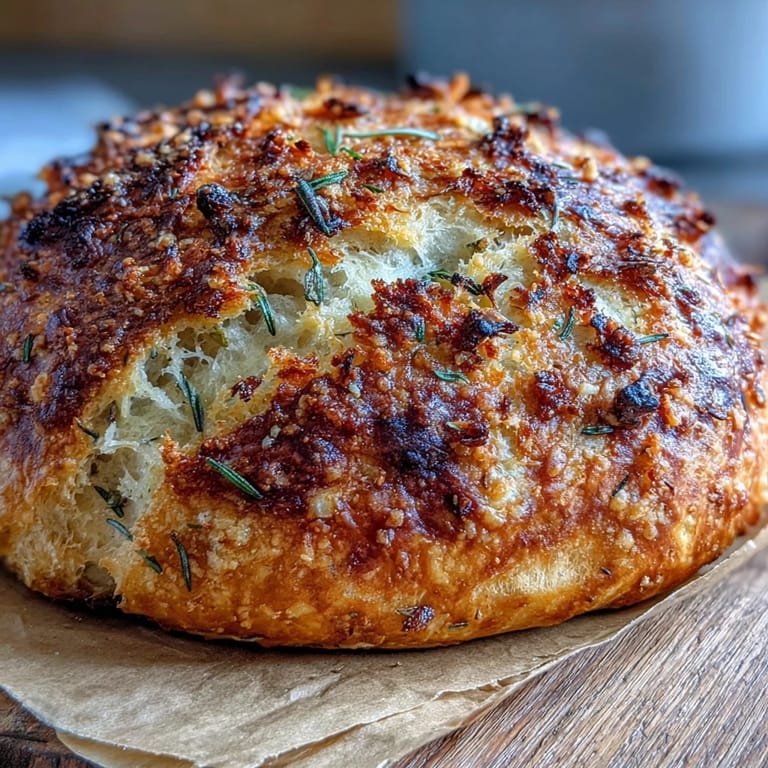
Save The smell of garlic and Parmesan wafting through the house is one of those things that stops everyone in their tracks. I started making this bread during a particularly brutal winter when baking became my therapy and my apartment building quickly caught on to the schedule. My downstairs neighbor actually left a note on my door asking if I was running a secret bakery. That first loaf disappeared faster than I thought possible, with friends literally pulling off pieces while standing around the kitchen island.
I brought this loaf to a dinner party last fall, still warm from the oven, wrapped in a clean kitchen towel. The hostess accidentally-on-purpose forgot to put it on the table and instead kept it in the kitchen, slicing pieces for anyone who wandered in. By the time we actually sat down to eat, half the bread was gone and the rest of the meal felt almost secondary. Now whenever I get a text that says please bring bread, I know exactly which recipe to pull up.
Ingredients
- 3 1/4 cups (390 g) all-purpose flour: I use unbleached for better structure and that rustic bakery look
- 2 teaspoons (10 g) salt: Fine sea salt dissolves beautifully into the dough
- 1 teaspoon (5 g) granulated sugar: Just enough to wake up the yeast without making the bread sweet
- 2 teaspoons (7 g) active dry yeast: Check the expiration date, old yeast is the heartbreak of failed bread
- 1 1/2 cups (360 ml) warm water: Think bath temperature, around 110°F, anything hotter kills the yeast
- 2 tablespoons (30 ml) olive oil: Extra virgin adds a subtle fruity note that complements the Parmesan
- 1 cup (100 g) freshly grated Parmesan cheese: Please grate it yourself, pre-grated has anti-caking agents that ruin the texture
- 2–3 cloves garlic, minced: Fresh garlic melts into the dough as it bakes, creating pockets of intense flavor
- 1 tablespoon (15 g) chopped fresh rosemary or parsley: Optional but adds a lovely herbal counterpoint to all that richness
Tired of Takeout? 🥡
Get 10 meals you can make faster than delivery arrives. Seriously.
One email. No spam. Unsubscribe anytime.
Instructions
- Wake up the yeast:
- Stir the yeast into warm water and let it hang out for about 5 minutes until you see a creamy foam layer form on top.
- Mix the foundation:
- Whisk together flour, salt, and sugar in a large bowl, then pour in the yeast mixture and olive oil.
- Bring it together:
- Stir with a wooden spoon until you have a shaggy, sticky dough, then fold in the Parmesan, garlic, and herbs until everything is evenly distributed.
- The patient part:
- Cover the bowl with a clean towel and let it rise somewhere warm for 12 to 18 hours, until its puffy and bubbly on the surface.
- Shape with intention:
- Turn the dough onto a floured surface and gently fold the edges toward the center to create a round, handling it lightly to preserve those air bubbles.
- Preheat everything:
- Place your dough on parchment paper for a 30 minute rest while your oven and Dutch oven heat to 450°F, getting screaming hot.
- Score and bake:
- Cut a shallow slash across the top of the loaf, then carefully transfer it into the hot Dutch oven and bake covered for 30 minutes.
- Reveal the magic:
- Remove the lid and continue baking for another 15 minutes until the crust is deeply golden and the bottom sounds hollow when tapped.
 Save
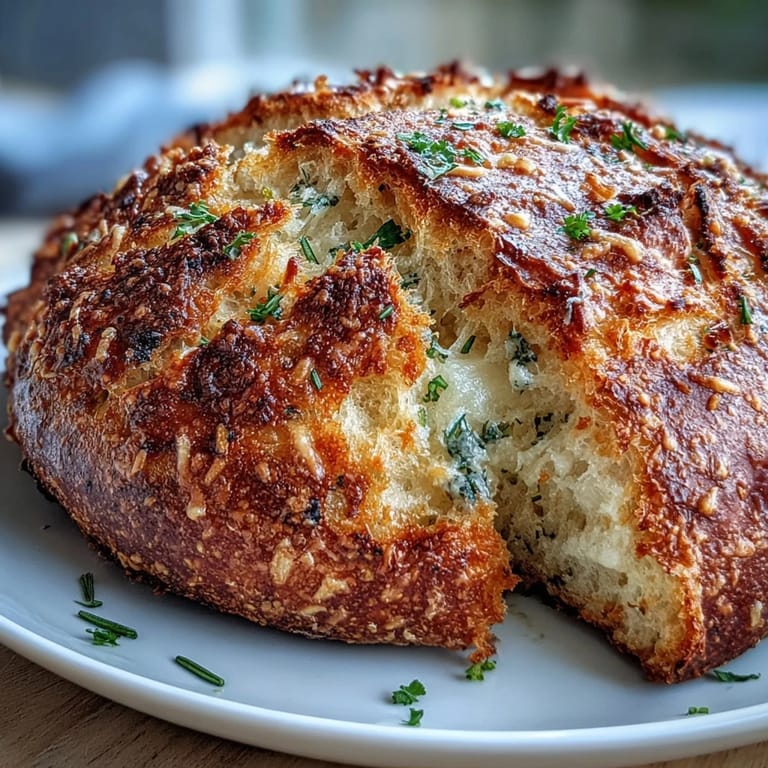
Save My mom called me mid-bake once, horrified that I was putting cheese in bread, but that night she went back for thirds. Theres something about tearing into a still-warm loaf with butter melting into all those crevices that makes even the most ordinary Tuesday dinner feel like a celebration. This bread has become my go-to housewarming gift, comfort food, and dinner party backup plan all rolled into one.
Getting The Best Rise
Find the warmest spot in your kitchen for that long overnight rise. I used to make the mistake of rising dough on the counter near a drafty window, wondering why it took forever to double. Now I put it in the oven with just the light on, that tiny bit of warmth is perfect.
Scoring Success
A sharp knife or lame cuts cleanly through the surface tension, giving your bread room to expand in all the right places. My first few loaves burst at the seams because I was too timid with the knife, creating these weird jagged tears instead of a beautiful bloom.
Make It Your Own
Once you have the basic method down, the variations are endless. Some of my best experiments have happened when I was out of one ingredient and had to improvise.
- Swap half the Parmesan for sharp aged cheddar when you want something more assertive
- Add roasted garlic cloves instead of fresh for a sweeter, mellower flavor profile
- Try freshly cracked black pepper in the dough for a subtle warmth that complements the cheese
 Save
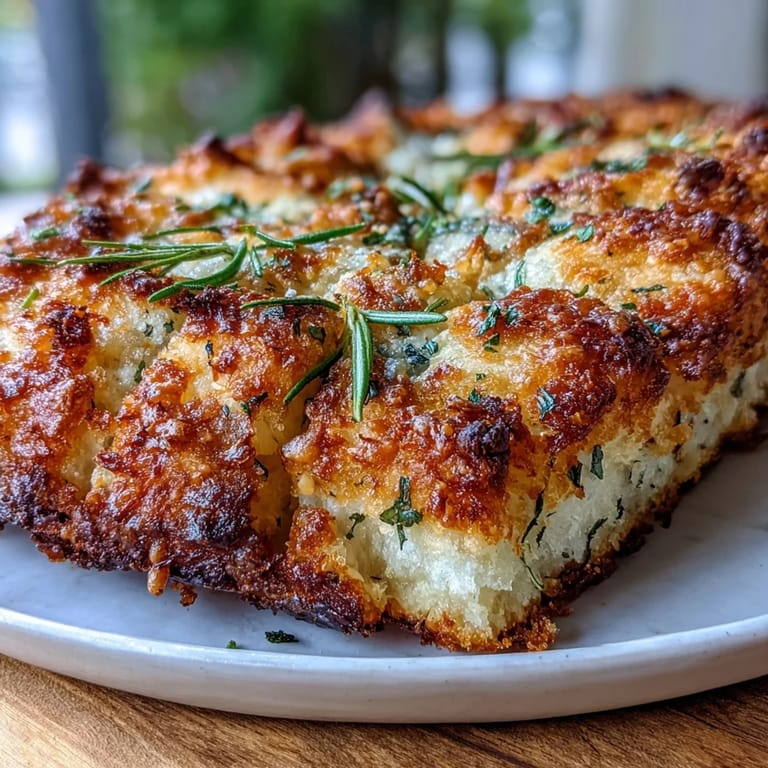
Save There is nothing quite like the sound of a hot loaf crackling as it cools on the wire rack. That is the sound of something good coming your way.
Recipe Guide
- → Can I reduce the rising time?
While possible, the extended 12–18 hour ferment develops superior flavor and texture. Quick rising (2–3 hours in a warm spot) yields less depth. Plan to mix the dough the evening before baking for best results—the overnight rest allows the garlic to mellow and the Parmesan to fully infuse every bite.
- → What if I don't have a Dutch oven?
A heavy oven-safe pot with a tight-fitting lid works beautifully—cast iron, enameled steel, or even thick ceramic. The key is trapping steam during the initial bake. Alternatively, place a metal baking pan on the bottom oven rack and pour boiling water into it when you put the bread in to create steam.
- → Can I use dried herbs instead of fresh?
Yes, substitute 1 teaspoon dried rosemary or parsley for the fresh option. Since dried herbs are more concentrated, use about one-third the amount. You can also experiment with dried oregano, thyme, or Italian seasoning blends for different flavor profiles.
- → Why is my dough so sticky?
A slightly sticky, shaggy dough is actually ideal for this method—it produces a lighter, airier crumb. Resist the urge to add more flour. When shaping, lightly flour your hands and work surface rather than the dough itself. The high hydration creates steam inside the loaf, contributing to that irresistible artisan texture.
- → Can I freeze this loaf?
Absolutely! Once completely cooled, wrap the loaf tightly in plastic wrap, then foil. Freeze for up to 3 months. To refresh, thaw at room temperature still wrapped, then unwrap and place in a 350°F oven for 10–15 minutes to restore the crisp crust. Alternatively, slice before freezing and toast individual slices as needed.
- → What other cheeses work well?
Aged Asiago brings a sharp, nutty profile while Gruyère adds subtle sweetness and exceptional melt. Pecorino Romano offers a bolder, saltier kick if you love intensity. For something different, try sharp cheddar for a rich, tangy version or smoked gouda for a savory, smoky twist. Stick to hard, aged cheeses for the best texture.