 Save
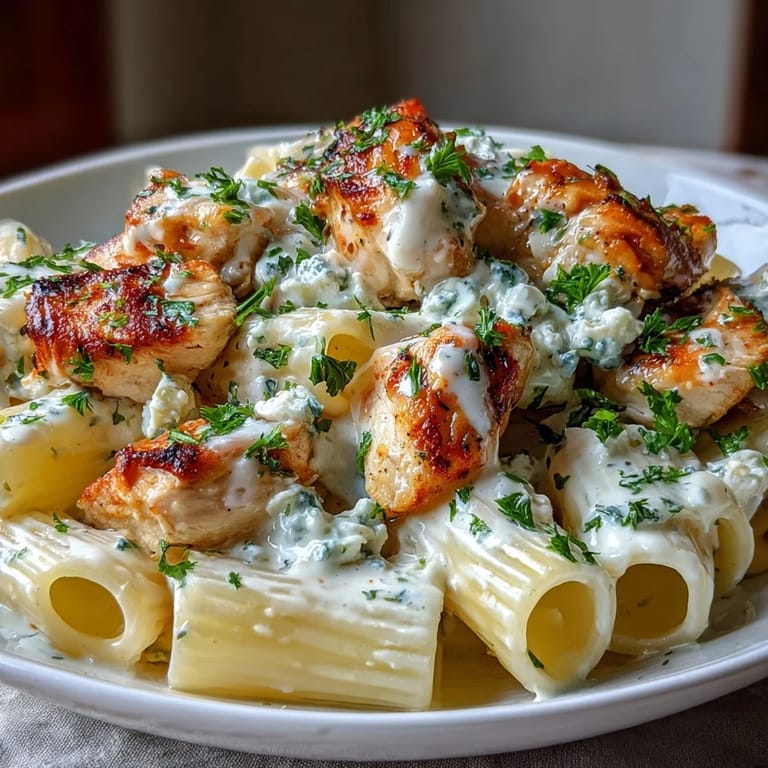
Save My neighbor stopped by on a Tuesday evening just as I was staring blankly into my pantry, wondering what to do with chicken and a half-empty container of feta. She mentioned craving something bright and Mediterranean, and somehow those three words sparked the entire thing. The result was so unexpectedly silky and vibrant that I made it again the next week, and it's been rotating through my weeknight lineup ever since. There's something about the way lemon cuts through cream that makes everything feel intentional, even when you're improvising.
I made this for my partner's coworkers who were skeptical about feta in their pasta, and watching them go back for seconds was quietly satisfying. One of them asked if I'd added sugar because it tasted sweet, but that was just the lemon doing its magic alongside the cream. That night proved that Greek flavors don't need to be complicated to feel impressive or memorable.
Ingredients
- Penne or rigatoni: Twelve ounces of a sturdy pasta shape that holds sauce in its ridges, so every bite tastes intentional rather than just buttery.
- Chicken breasts: One pound cut into bite-sized pieces that cook evenly and don't dominate the dish, keeping everything balanced.
- Salt, pepper, oregano, garlic powder: These four seasonings build a foundation that makes the chicken taste like itself, not like a blank canvas.
- Olive oil: Two tablespoons is enough to brown the chicken without making the dish feel heavy.
- Garlic and lemon zest: Three cloves minced plus zest from one lemon creates the aromatic layer that makes people ask what smells so good.
- Lemon juice: One quarter cup of fresh juice, not bottled, because the difference is actually noticeable and worth the two-minute squeeze.
- Heavy cream and chicken broth: One cup cream plus half cup broth creates a silky sauce that's rich without being overwhelming.
- Parmesan and feta: Half cup each melts into the sauce while keeping their distinct personalities, creating depth instead of just saltiness.
- Red pepper flakes: Optional, but the warmth plays beautifully against the cool tang of lemon and cheese.
- Fresh parsley: Two tablespoons chopped at the end brings brightness and a visual reminder that this is fresh food, not cream soup.
Tired of Takeout? 🥡
Get 10 meals you can make faster than delivery arrives. Seriously.
One email. No spam. Unsubscribe anytime.
Instructions
- Boil the pasta foundation:
- Fill a large pot with salted water and let it come to a rolling boil, then add pasta and cook until al dente according to the box. The moment it's tender but still has structure, drain it into a colander, making sure to save half a cup of that starchy cooking water because it's liquid gold for adjusting your sauce later.
- Season your chicken:
- While the pot is heating, toss your bite-sized chicken pieces with salt, pepper, oregano, and garlic powder, coating each piece so it seasons from the outside in. Don't skip this step or rush it because seasoned chicken at the beginning means balanced flavor at the end.
- Sear the chicken until golden:
- Heat olive oil in a large skillet over medium-high heat until it shimmers, then add the chicken and let it sit undisturbed for a minute before stirring. You're listening for a gentle sizzle and watching for that golden crust to form, which takes about six to eight minutes total, then transfer it to a waiting plate.
- Build the aromatic base:
- In that same skillet with all its browned bits still clinging to the bottom, add your minced garlic and lemon zest and let them dance in the residual heat for just thirty seconds. This quick blooming releases their essential oils and fills your kitchen with a smell that makes everything feel intentional.
- Deglaze and build your sauce:
- Pour in the fresh lemon juice and use a wooden spoon to scrape up those caramelized bits from the pan, then stir in the heavy cream and chicken broth. Bring everything to a gentle simmer and let it bubble quietly for a minute, which brings all the flavors into conversation with each other.
- Melt in the cheese smoothly:
- Reduce the heat to low and add your Parmesan and feta, stirring constantly until both cheeses have completely melted into a silky, cohesive sauce. This is where you might add red pepper flakes if you want a subtle warmth, and where you taste and adjust the seasoning.
- Bring everything together:
- Return the seared chicken to the skillet, add the drained pasta, and toss everything gently to coat each piece in that creamy lemon sauce. If the sauce feels too thick, add the reserved pasta water a tablespoon at a time until you reach that perfect silky consistency where sauce clings but doesn't puddle.
- Finish and serve:
- Taste one more time and adjust salt and pepper as needed, then divide into bowls and garnish with chopped parsley, extra crumbled feta, and a bright sprinkle of lemon zest. Serve immediately while everything is still steaming and at its most cohesive.
 Save
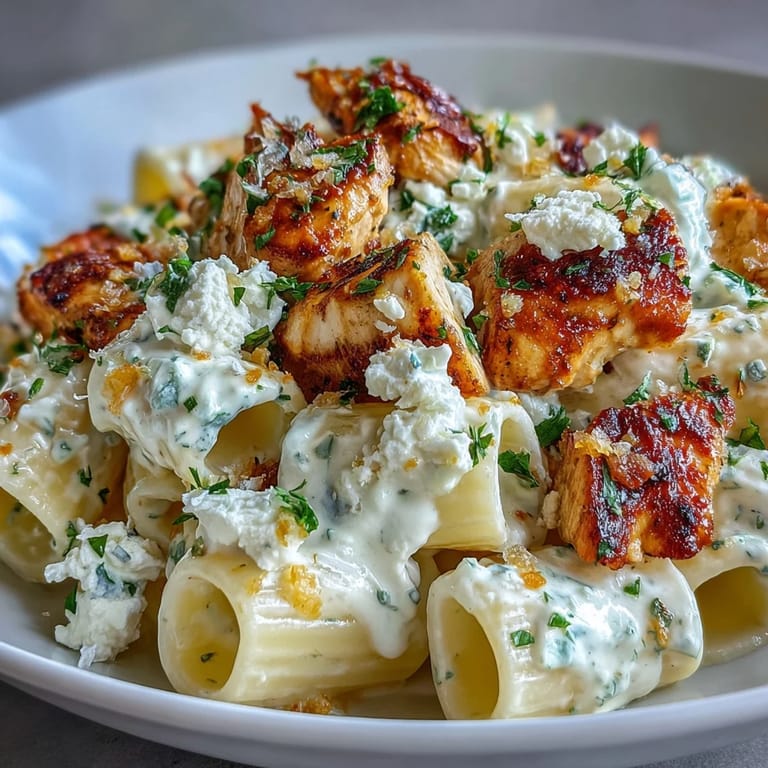
Save The first time someone told me this tasted like a Greek taverna, I realized food is partly about the story you tell yourself while eating it. Now whenever I make this, I'm transported to a place I've never actually been, simply because the flavors are that evocative and honest.
Why Lemon and Feta Are Essential
There's a reason these two ingredients show up together across every Mediterranean kitchen, and it's because they're almost chemically designed to enhance each other. The acidity in lemon brightens feta's saltiness without making it feel one-dimensional, while feta adds a creamy tang that makes lemon taste more complex than just sour. Together in a cream sauce, they create a flavor profile that feels both simple and somehow elevated, which is exactly what makes weeknight cooking feel like something more.
Adapting This to What You Have
I've made this with half-and-half instead of heavy cream when that's what was in the fridge, and it works beautifully if you add a little more lemon juice to compensate for the lighter richness. Baby spinach wilts right into the sauce in the final minute, cherry tomatoes add color and brightness, and even a handful of capers or Kalamata olives feel right at home. The backbone of lemon, garlic, and cheese is strong enough to support whatever variations your pantry or mood suggests.
Perfect Pairings and Storage
A crisp Greek white wine like Assyrtiko feels essential alongside this, or honestly, even a sharp white like Sauvignon Blanc sings against the creamy sauce. Leftovers keep in the refrigerator for three days, though the sauce will thicken as it cools, so reheat gently with a splash of pasta water to restore that silky texture.
- Add a simple green salad with olive oil and vinegar to cut through the richness and keep the meal feeling balanced.
- Have extra lemon and parsley on the table so people can adjust the brightness to their preference.
- Make this on a night when you have time to cook slowly rather than rushed, because the flavor develops as you build each layer.
 Save
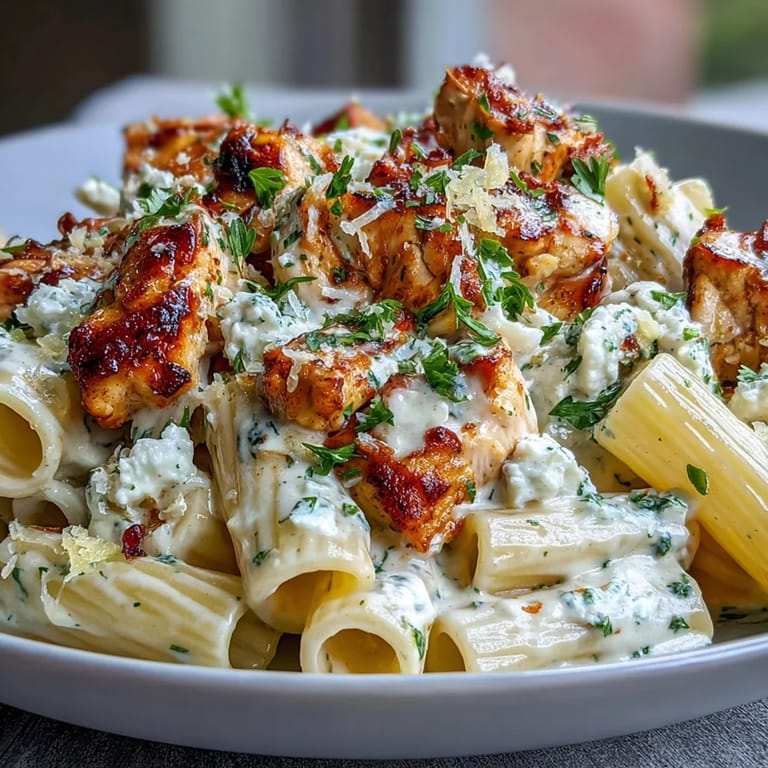
Save This dish has taught me that some of the most satisfying meals arrive unexpectedly, born from limited ingredients and a willingness to trust Mediterranean flavors. Make it once and it becomes the recipe you reach for when you want to feel capable and fed at the same time.
Recipe Guide
- → Can I make this dish ahead of time?
The sauce thickens when refrigerated, so it's best enjoyed fresh. If preparing ahead, undercook the pasta slightly and reheat with a splash of cream or broth to restore silkiness.
- → What type of pasta works best?
Penne or rigatoni are ideal as their ridged surfaces capture the creamy sauce beautifully. Fusilli, farfalle, or ziti would also work well with this lemon-kissed coating.
- → Is there a lighter alternative to heavy cream?
Half-and-half creates a lighter version while maintaining creaminess. For even fewer calories, use evaporated milk though the sauce won't be quite as rich.
- → Can I add vegetables to this dish?
Baby spinach wilts perfectly into the sauce during the final minutes. Cherry tomatoes, artichoke hearts, or sautéed zucchini also complement the Greek flavor profile wonderfully.
- → What wine pairs well with this pasta?
A crisp Assyrtiko, Pinot Grigio, or dry Sauvignon Blanc cuts through the cream while complementing the lemon. For red wine lovers, a light Pinot Noir works nicely.
- → How do I prevent the sauce from curdling?
Keep the heat low when adding cream and avoid boiling vigorously. Stirring constantly while incorporating the cheese helps maintain a smooth, velvety consistency.