 Save
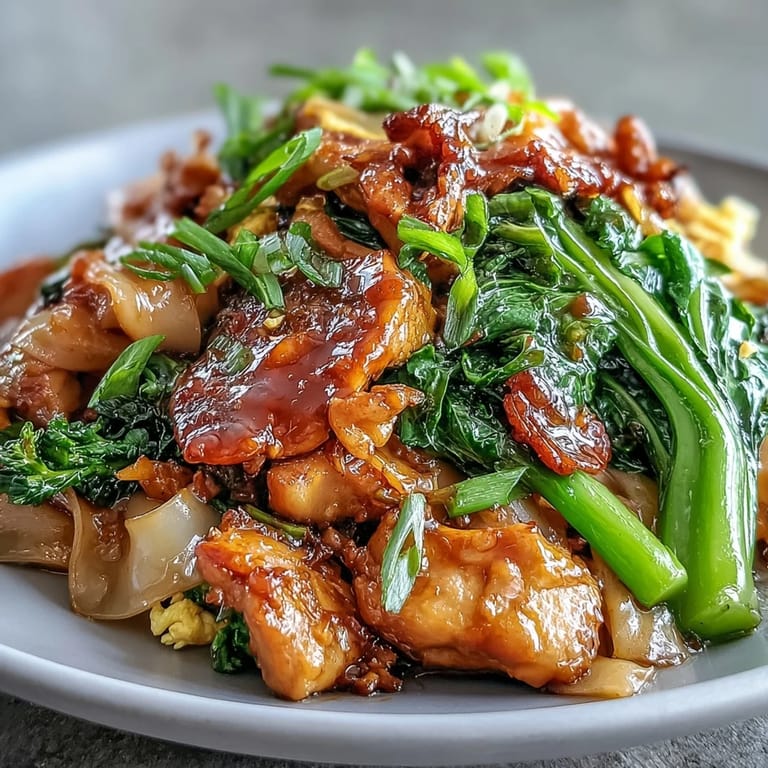
Save The first time I watched a street vendor in Bangkok make Pad See Ew, I stood mesmerized for twenty minutes. The wok smoke curled into the evening air while flames danced around the rim, and the aroma of caramelized sauce hit me before I even saw the noodles. I've been chasing that memory in my home kitchen ever since, and this recipe finally gets me there.
Last Tuesday my friend Sarah came over for dinner after she'd had a terrible day at work. I wasn't planning to make anything special, just throwing together whatever I had in the fridge, which happened to be exactly what I needed for this dish. Watching her face light up when she took that first bite of noodles, all soft and chewy with that hint of char from the wok, reminded me why I love cooking for people.
Ingredients
- 200g dried wide rice noodles: The foundation of the whole dish, and soaking them properly makes the difference between tender and mushy
- 1 cup chicken thighs: More flavorful than breast meat and stays juicy even over high heat
- 4 stems Chinese broccoli: The bitter stems balance the sweet sauce perfectly while the leaves add fresh contrast
- 1 large egg: Scrambled into the noodles creates those creamy ribbons we all fight over
- 2 tsp dark soy sauce: Gives the noodles that gorgeous caramel color and deep sweetness
- 1½ tbsp oyster sauce: The secret ingredient that adds umami depth you cant quite place
- 1 tbsp light soy sauce: Balances all that richness with just enough salt
- 2 tsp white vinegar: Cuts through the sugar and sauce to keep each bite bright
- 2 tsp sugar: Essential for that characteristic Pad See Ew glaze that coats every strand
- 2 cloves garlic: Very finely chopped so it dissolves into the oil rather than burning
- 3 tbsp peanut or vegetable oil: High smoke point oil is non-negotiable for proper wok cooking
Tired of Takeout? 🥡
Get 10 meals you can make faster than delivery arrives. Seriously.
One email. No spam. Unsubscribe anytime.
Instructions
- Prepare your noodles:
- If using dried noodles, soak them in warm water for 30 minutes until pliable but still firm to the touch. Fresh noodles just need a gentle shake to separate.
- Whisk together your sauce:
- Combine the dark soy sauce, oyster sauce, light soy sauce, vinegar, and sugar in a small bowl until the sugar completely dissolves.
- Prep the Chinese broccoli:
- Cut the stems into 2-inch pieces and leave the leaves larger since they'll shrink considerably when they hit the heat.
- Sear the chicken:
- Heat 1 tablespoon of oil in your wok over high heat until it shimmers, then add the sliced chicken and stir-fry just until cooked through. Remove and set aside.
- Blanch the broccoli:
- Add another tablespoon of oil to the wok, toss in the broccoli stems first for one minute, then add the leaves until just wilted. Remove with the chicken.
- Scramble the egg:
- With the remaining tablespoon of oil, sizzle the garlic for just a few seconds before cracking in the egg and scrambling until fluffy.
- Combine everything:
- Add your noodles to the wok, pour over that sauce you mixed earlier, and toss until every strand is glossy and coated.
- Bring it all together:
- Return the chicken and broccoli to the wok, stir-frying everything for just 1 to 2 minutes until hot and that wonderful wok hei aroma fills your kitchen.
 Save
Save My brother called me last night, frustrated that his homemade Pad See Ew never tasted like what he gets from his favorite Thai takeout spot. The secret I told him is simple but makes all the difference: cook each ingredient separately, then combine at the end.
The Rice Noodle Dilemma
I've learned through many disappointing attempts that fresh wide rice noodles are worth seeking out at Asian markets. The dried variety works in a pinch, but that chewy, tender texture you get from fresh noodles is impossible to replicate.
Wok Temperature Secrets
Your wok needs to be screaming hot before any ingredient touches the surface. Smoke should just start rising from the oil when you add your first ingredient. That's how you get the slight char and smoky flavor that defines authentic street-style Pad See Ew.
Perfecting the Sauce Balance
The sauce needs to hit that sweet spot between salty and sweet, with just enough acid to keep it from becoming cloying. After making this recipe dozens of times, I've found these ratios create that perfect glaze.
- Taste your sauce before adding it to the noodles
- Adjust the sugar if your palate prefers less sweetness
- Remember the sauce reduces slightly as it coats the hot noodles
 Save
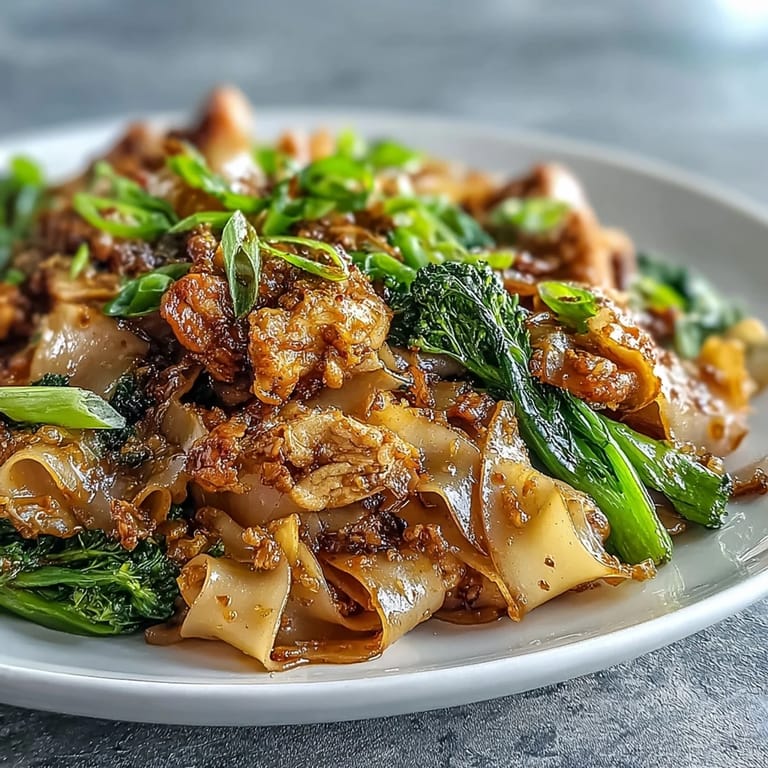
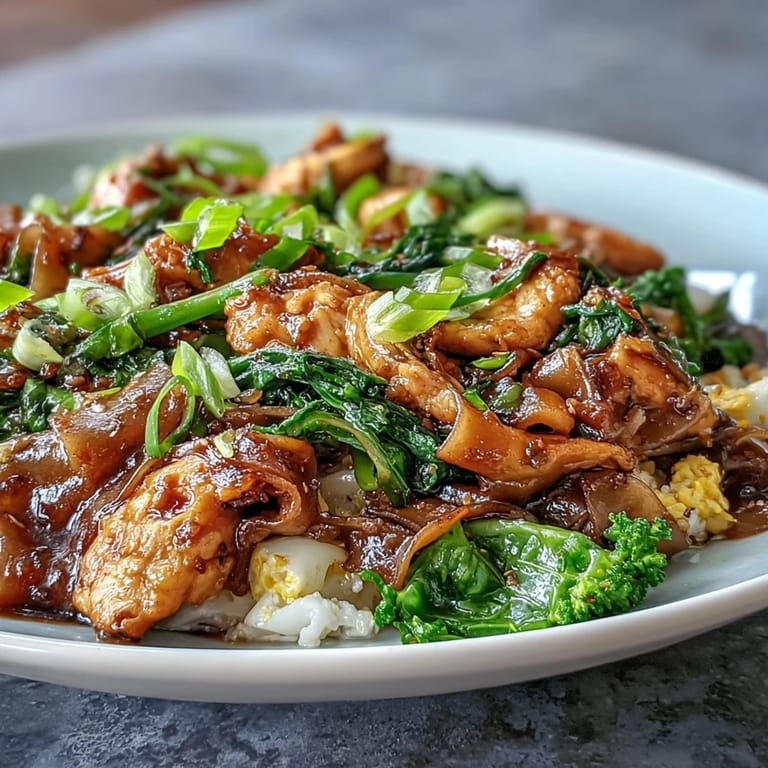
Save There's something deeply satisfying about twirling those sauce-coated noodles onto your fork, each strand flecked with golden egg and bright green broccoli. This is the kind of comfort food that makes everything feel better.
Recipe Guide
- → What makes Pad See Ew different from other Thai noodle dishes?
Pad See Ew distinguishes itself through wide rice noodles stir-fried until slightly charred, creating a smoky flavor profile. The sauce combines dark soy for rich color and caramel sweetness with light soy for saltiness, plus oyster sauce for umami depth.
- → Can I use fresh rice noodles instead of dried?
Fresh wide rice noodles are actually preferred and traditional. Simply separate the noodles gently before cooking. If using dried, soak them in warm water for 30 minutes until pliable but still firm to the touch.
- → What protein alternatives work well in this dish?
Thinly sliced beef or pork work beautifully as direct substitutes. For seafood, shrimp cooks quickly and pairs perfectly with the sauce. Firm tofu makes an excellent vegetarian option—press and pan-fry cubes first for better texture.
- → Why is my Pad See Ew soggy instead of chewy?
Overcrowding the wok and insufficient heat are common culprits. Cook in batches if necessary, use high heat throughout, and avoid adding too much sauce at once. The noodles should sizzle vigorously when they hit the hot wok.
- → Can I prepare the sauce ahead of time?
Absolutely. Mix all sauce ingredients together and store in an airtight container in the refrigerator for up to two weeks. The sugar will fully dissolve and flavors meld together, making it even more convenient for quick weeknight meals.
- → What vegetables can substitute for Chinese broccoli?
Broccolini offers the closest match with its tender stems and mild flavor. Regular broccoli works well—cut stems smaller for quicker cooking. Bok choy or baby bok choy provide excellent crunch and absorb the sauce beautifully.