 Save
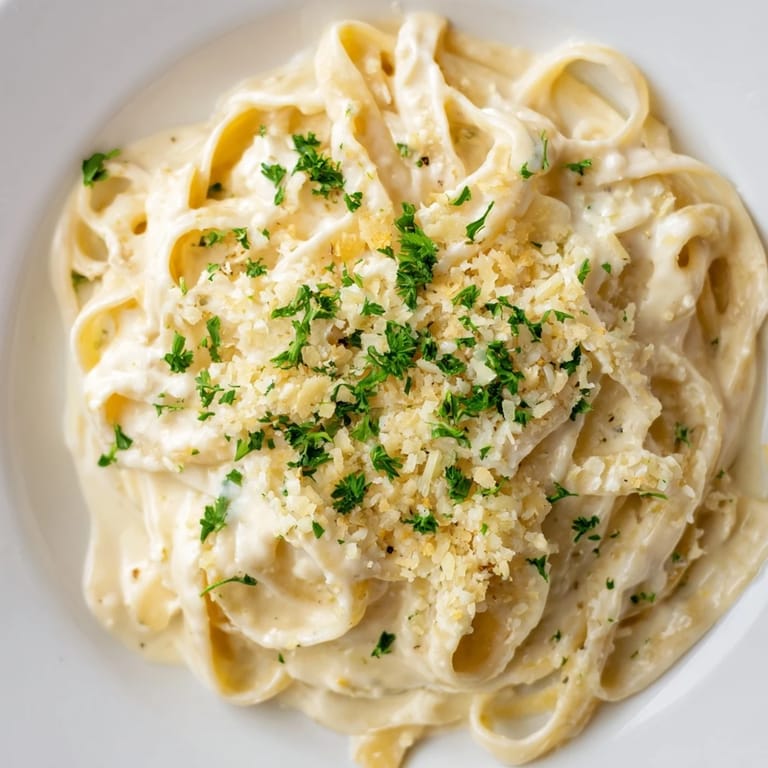
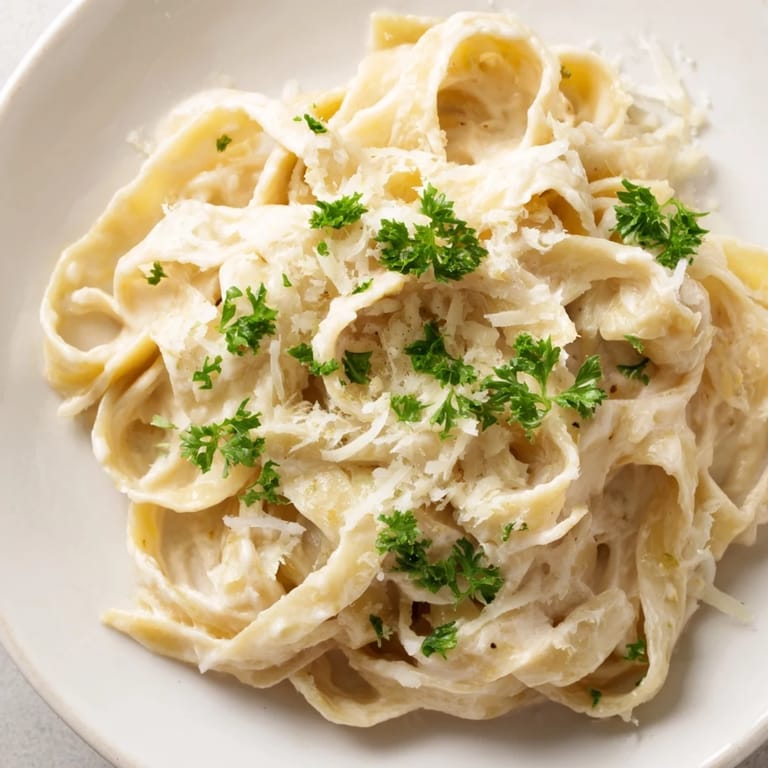
Save A friend once handed me a container of cottage cheese and said, "Trust me, make Alfredo with this." I was skeptical, honestly—cottage cheese in pasta sauce sounded like a budget hack gone wrong. But one quiet Tuesday night when I was tired of heavy cream sitting in my fridge, I decided to try it. The result was so silky and satisfying that I've never looked back. Now this is the dish I make when I want that creamy indulgence without feeling weighed down afterward.
I served this to my roommate who swore she'd "never eat cottage cheese willingly," and she went back for seconds without realizing what was in it. When I finally told her, she laughed and demanded the recipe immediately. Watching someone's face light up when they realize comfort food can be lighter than they expected—that's the moment this dish became more than just dinner.
Ingredients
- Fettuccine or linguine (350 g / 12 oz): The wide ribbons catch the sauce beautifully, and I always choose the thicker shapes because they hold up to blending and coating without breaking.
- Low-fat cottage cheese (1 cup / 240 g): This is the magic ingredient—it blends into pure silk and gives you creaminess without the heaviness of cream. The low-fat version actually works better because it's less dense.
- Milk (1/2 cup / 120 ml, whole or 2%): This loosens the cottage cheese to the perfect consistency; use whole milk if you want extra richness, or 2% if you prefer something lighter.
- Grated Parmesan cheese (1/2 cup / 50 g): Freshly grated is non-negotiable here—the pre-grated stuff has cellulose that makes the sauce grainy rather than glossy.
- Unsalted butter (2 tbsp / 30 g): This infuses the sauce with flavor and helps emulsify everything together; start here before adding the other ingredients.
- Garlic (2 cloves, minced): One minute of cooking is all it needs—burned garlic will ruin the whole dish, so stay close and sniff for that toasted aroma.
- Black pepper (1/4 tsp, freshly ground): Use a grinder if you have one; it makes a noticeable difference in brightness compared to pre-ground.
- Salt (1/4 tsp): You'll likely add more as you taste, so start conservative and adjust at the end.
- Nutmeg (a pinch, optional): This transforms the sauce into something more refined; I always add it because it reminds you you're eating something special.
- Fresh parsley (2 tbsp, chopped) and extra Parmesan for garnish: These aren't just toppings—they're the final hello that makes the plate look intentional.
Tired of Takeout? 🥡
Get 10 meals you can make faster than delivery arrives. Seriously.
One email. No spam. Unsubscribe anytime.
Instructions
- Boil your pasta with purpose:
- Salt your water generously—it should taste like the sea—then add pasta once it's at a rolling boil. Set a timer and stir occasionally so nothing sticks. Reserve that pasta water before draining; that starchy liquid is your safety net if the sauce gets too thick.
- Blend the cottage cheese mixture until it surrenders:
- This is where patience matters: keep blending until there are absolutely no grainy bits left and the mixture looks like heavy cream. It takes longer than you'd think, maybe two minutes of steady blending, but it's the difference between silky and chunky.
- Toast your garlic gently in butter:
- Melt the butter over medium heat, then add garlic and let it sizzle for exactly one minute. You're looking for that fragrant moment right before it turns golden; any darker and it tastes bitter.
- Pour and warm the sauce with care:
- Add your blended mixture to the skillet with the garlic butter, then season it. Keep the heat at medium and stir often for two to three minutes—you want it warm and silky, not simmering or broken.
- Toss pasta with the sauce until coated:
- Add the drained pasta right to the skillet and fold everything together gently. If it looks thick, add pasta water one splash at a time until it flows like you want it to.
- Plate and garnish immediately:
- Serve right away while it's warm, then scatter parsley and Parmesan over each bowl so they stay vibrant and visible.
 Save
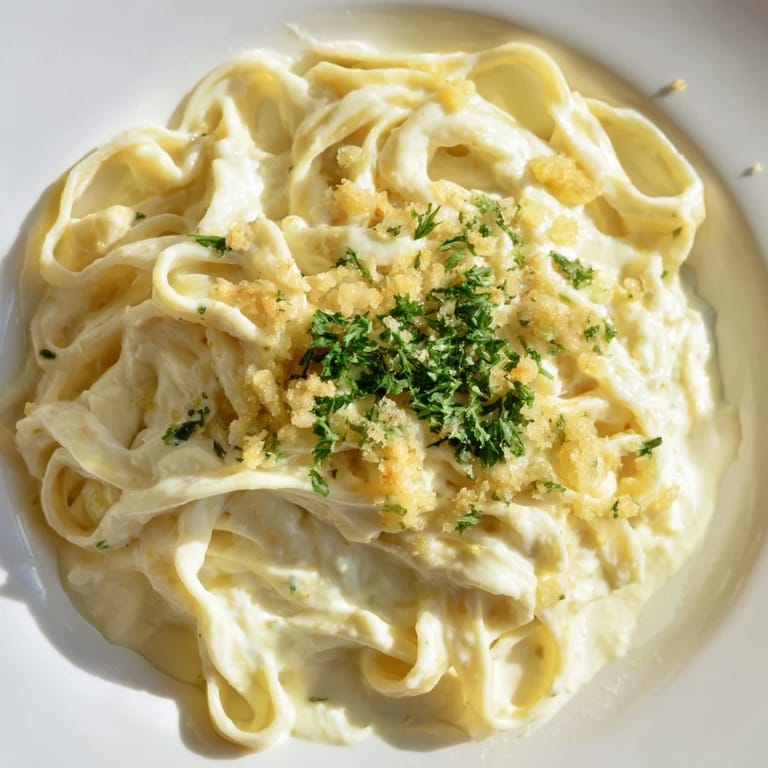
Save There's something quietly satisfying about watching people eat this dish—they slow down, take smaller bites, and genuinely savor each one. It's proof that lighter doesn't mean less flavorful or less comforting. That's when I realized this recipe isn't just an alternative; it's simply how I make Alfredo now.
Why This Works Better Than You'd Expect
When I first learned that cottage cheese could replace heavy cream, I thought it was a compromise—something I'd tolerate but not love. What surprised me was discovering that cottage cheese actually creates a more delicate sauce that lets the Parmesan and garlic shine through instead of getting muffled under fat. The nutmeg becomes more noticeable, the pasta texture stays tender instead of slippery, and somehow you feel satisfied without that heavy, sleepy feeling that sometimes follows traditional Alfredo. This shift happened gradually, but now I see it as an upgrade, not a substitution.
Customizing Your Sauce
The beauty of this sauce is that it's a blank canvas for your preferences and what's in your fridge. A friend of mine adds lemon zest right at the end for brightness, which cuts through the richness beautifully. Others have stirred in sautéed mushrooms, crispy bacon, or roasted cherry tomatoes—each one changes the personality of the dish but keeps that signature creamy base intact. I've even added fresh spinach by wilting it in the skillet before the pasta goes in, and it disappears into the sauce while adding nutrition and a hint of earthiness. Start with the base recipe, then play with flavors that sound good to you.
Making It Your Own
This recipe is forgiving in ways that feel important to me. You can use any long pasta, though thinner shapes like angel hair won't hold the sauce as well as wider ribbons. If you don't have a blender, a whisk and some elbow grease will work, though you might end up with a slightly less silky texture. The cooking times are flexible too—if you're busy with other things, the pasta waits, the sauce keeps warm, and everything comes together the moment you're ready. This is food that works with your life, not against it.
- For extra protein, add cooked shredded chicken or steamed broccoli right when you toss the pasta with the sauce.
- If you're cooking for someone with dietary restrictions, gluten-free pasta swaps in seamlessly and tastes just as good.
- Leftovers reheat gently in a skillet with a splash of milk stirred in, and they taste almost as fresh as the first time.
 Save
Save This dish has become my answer to the question "What's for dinner?" on nights when I want something warm, satisfying, and ready in under half an hour. Every time I make it, I'm grateful for that friend who handed me cottage cheese and said "trust me."
Recipe Guide
- → Can I use other types of pasta for this dish?
Yes, fettuccine or linguine work best for coating the sauce evenly, but any long pasta like spaghetti or tagliatelle can be used depending on preference.
- → How do I achieve a creamy sauce without heavy cream?
Blending low-fat cottage cheese with milk and Parmesan creates a smooth, creamy sauce that’s lighter yet rich, avoiding the heaviness of cream.
- → What can I add to enhance the flavor?
Adding a pinch of lemon zest or sautéed mushrooms brightens the sauce, while fresh garlic sautéed in butter adds depth and aroma.
- → Is it possible to make this dish gluten-free?
Absolutely. Simply substitute regular pasta with your preferred gluten-free variety without altering the cooking method.
- → How can I adjust the sauce consistency if it’s too thick?
Reserve some pasta cooking water and add it gradually to the sauce while tossing the pasta to achieve a perfect, silky texture.