 Save
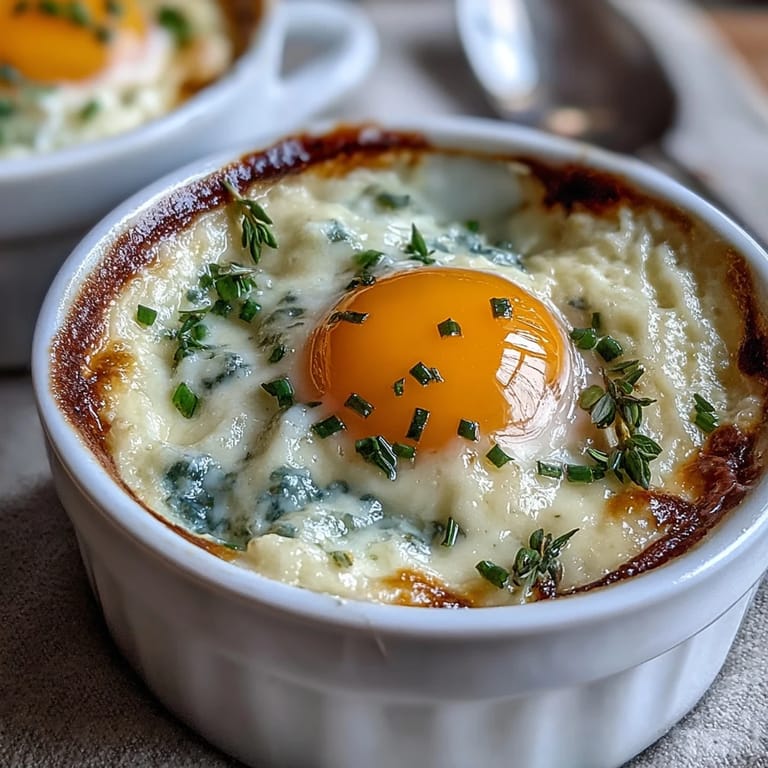
Save Sunlight was streaming through my kitchen window the first time I decided to make eggs en cocotte on a whim, calling out for something indulgent yet light to celebrate spring. I wasn't planning for a grand meal but these little pots felt like such a treat, each one brimming with promise. The sizzle of butter in the ramekins and the faint perfume of thyme gave the house a gentle lift. As the eggs set in their creamy bath, I found myself tapping my fingers impatiently, eager for that first spoonful. Moments like this remind me how quietly elegant breakfasts can feel like a celebration.
I remember making these for my partner one ordinary Sunday a few years ago after a late-morning stroll at the farmer's market. We laughed about our mismatched socks and swapped stories as the eggs baked, the kitchen growing quiet except for the kettle's low hum. Those ramekins—greased with slightly too much butter, because I got distracted—were the highlight of our table and set the pace for the whole day. There's something about eating with a spoon from your own little dish that makes the meal feel both intimate and festive.
Ingredients
- Unsalted butter: Essential for both greasing the ramekins and dotting on top—a generous layer keeps the eggs from sticking and adds rich flavor.
- Heavy cream: This creates the silkiest custard base and makes the baked eggs decadent; I warm it slightly for easier pouring.
- Grated parmesan cheese: Brings a salty, nutty backbone to each bite, and I've learned the finer you grate it, the more evenly it melts.
- Large eggs: The heart of the dish—always as fresh as possible for the brightest yolk and best flavor.
- Fresh chives, parsley, and thyme: These herbs lift everything; snip them right before use for the most fragrant pop.
- Salt and freshly ground black pepper: Balances all the creamy notes and helps the other ingredients shine—don't be shy.
- Optional: Extra chives or parsley for garnish: Scatter just before serving for a burst of color and brightness.
Tired of Takeout? 🥡
Get 10 meals you can make faster than delivery arrives. Seriously.
One email. No spam. Unsubscribe anytime.
Instructions
- Ready the Oven and Water Bath:
- Slide the oven rack to the middle, heat to 375°F (190°C), and set a kettle of water to boil so everything is hot and primed.
- Prep the Ramekins:
- Swipe the insides generously with butter, letting the scent start to waft as it softens from your hands.
- Add Cream and Herbs:
- Dollop two tablespoons of cream into each ramekin, then sprinkle in half your chopped herbs and a dusting of parmesan—it should already look inviting.
- Crack the Eggs:
- Gently open two eggs into each ramekin, aiming not to break the yolks; sometimes I whisper a little encouragement at this stage.
- Season and Top:
- Dash in salt and pepper, layer the rest of the chives and parsley, more parmesan, and finally dot with a piece of butter for good measure.
- Create the Bain-Marie:
- Snug the ramekins into a deep baking dish, then carefully pour in enough boiling water to reach halfway up—listen for the faint hiss and steam as it settles.
- Bake:
- Slide the whole tray gently into the oven and bake 12–15 minutes, peeking at 12 to gauge how set your whites look and how wobbly you like your yolk.
- Finishing Touch:
- Use tongs to lift out the ramekins, let them stand for two minutes so the custard finishes setting and isn't lava-hot when you dig in. Add a sprinkle of fresh herbs if you have extra and serve immediately.
 Save
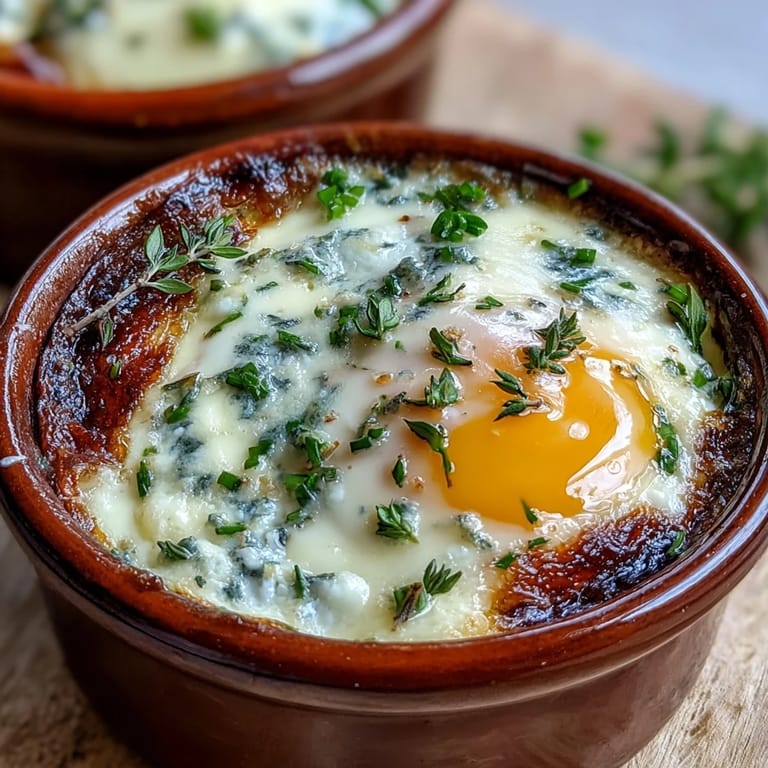
Save When my best friend visited for Easter, she claimed she wasn't hungry until she caught the scent of melting butter and chives from the kitchen. We ended up passing ramekins around the table to compare the soft, runny yolks and crispy parmesan bits on top. That day, these little pots of eggs turned brunch into a gentle celebration and the smallest detail—a sprinkle of herbs—meant everything. No matter how many times I make this dish, that feeling of welcome never changes.
Egg Variations and Fun Add-Ins
It's always a surprise how open to improvisation eggs en cocotte are. I've tucked in wilted spinach, bits of goat cheese, or even paper-thin slices of smoked salmon before cracking in the eggs. Each version invites its own mood—sometimes even a dollop of pesto when I'm feeling adventurous. Keep extras minimal so the eggs stay the stars, but don't be afraid to riff based on your fridge.
The Art of the Yolky Center
Getting that perfect soft, spoonable yolk took a bit of trial and error—sometimes I got impatient and yanked them out too soon, other times they stayed too long and set up more than I wished. Now, I trust my oven and check at the 12-minute mark, giving them a nudge if they still wobble too much for my liking. If you like your yolks firmer, a few extra minutes work wonders. But nothing beats the joy of dipping soft brioche into a barely-set, sunshine-bright yolk.
What to Serve Alongside
A side of toasted baguette or soft brioche makes these eggs a meal, and sometimes I'll round things out with a crisp green salad with lemony vinaigrette. Even a little pile of roasted asparagus or sautéed mushrooms pairs beautifully. When I'm in a festive mood, I'll add a mimosa to the table for good measure.
- Use day-old bread for the crispest toast soldiers.
- Chill your serving plates ahead for a fancier touch.
- Don't be afraid to eat straight from the ramekin—it's part of the charm.
 Save
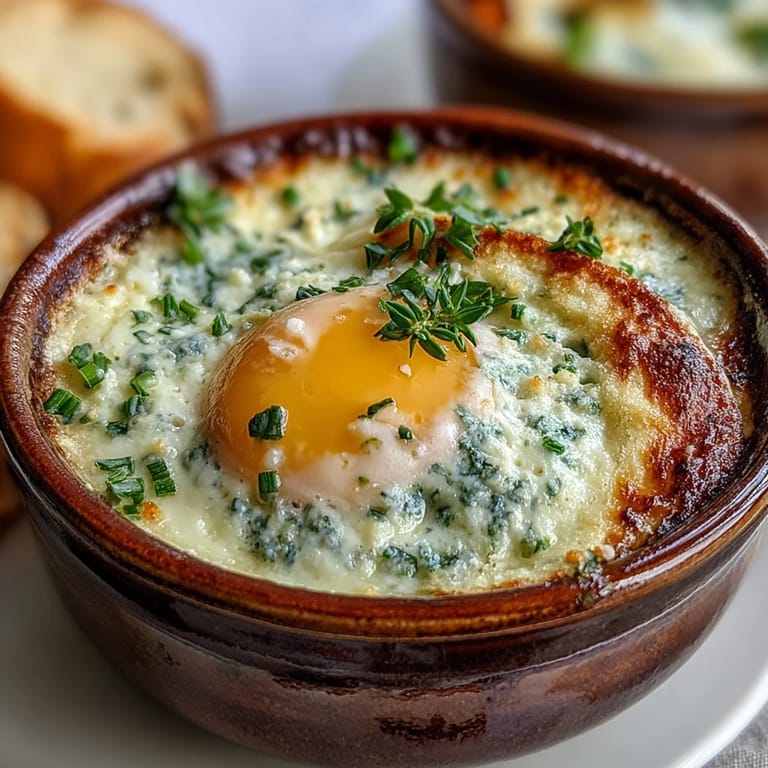
Save However you dress these eggs up, each batch brings its own tiny bit of joy. May your kitchen be filled with soft herbs, gentle warmth, and plenty of spoons for sharing.
Recipe Guide
- → How can I tell when the eggs are cooked?
The whites should be opaque and just set while the yolks remain slightly jiggly. Bake 12–15 minutes at 375°F (190°C); add 2–3 minutes for firmer yolks.
- → Why bake the ramekins in a water bath?
The water bath creates gentle, even heat that prevents the custard from curdling and keeps the texture silky rather than rubbery.
- → Can I assemble ahead of time?
Yes. Assemble in ramekins up to the point of baking, cover and refrigerate for a few hours. Add a couple of extra minutes to the bake time from chilled.
- → What cheese or herb swaps work well?
Gruyère or goat cheese are excellent swaps for parmesan. Mix herbs freely—tarragon, chives and parsley all complement the cream and eggs.
- → How can I adapt for dietary needs?
For lower-fat versions, use light cream or a mix of milk and a touch of crème fraîche; for vegetarian labels check cheese rennet. Omit or replace dairy with a silken plant-based cream if avoiding dairy entirely.
- → What should I serve alongside the ramekins?
Toasted brioche, crusty bread or buttered toast are ideal for dipping. A simple green salad or lightly dressed baby greens balance the richness.