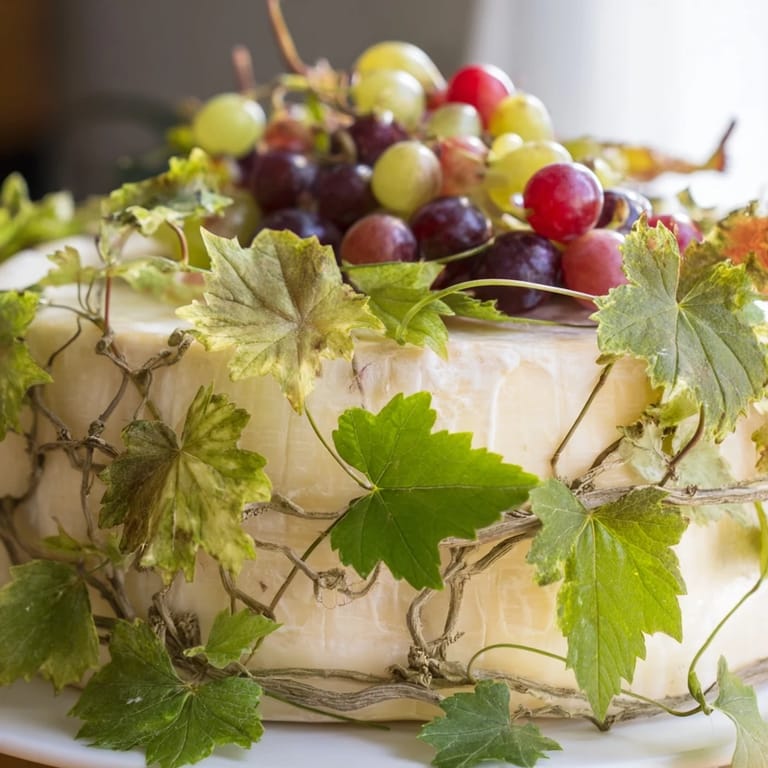
 Save
Save I discovered this presentation at a small vineyard in Tuscany where the cheesemaker casually draped fresh vines over her wheels of tomme like she was arranging flowers. There was something almost defiant about it—refusing the sterile marble boards most restaurants favored. She told me it was how her grandmother displayed cheese at village gatherings, and suddenly I understood: the vines weren't decoration, they were permission to slow down and eat with your hands.
I made this for my sister's engagement party on a sweltering August evening, and I remember being nervous that the cheese would sweat under the vine canopy. It didn't. Instead, the leaves created this perfect microclimate, and guests spent more time talking around that board than at their actual seats. Someone's aunt asked for the recipe thinking it required special culinary school credentials.
Ingredients
- Two large wheels of young, rustic cheese (about 1.5 kg each): Tomme, young pecorino, or farmhouse varieties work best because their rough exteriors actually look better draped in vines than polished cheeses do. Pick wheels that sit flat on their sides.
- Three to four long, untreated grapevine branches: The leaves and stems matter as much as the grapes themselves. Wash and dry them completely so they don't weep moisture onto your board.
- 500 g fresh grapes, ideally on the stem: Mixed colors create visual drama, and leaving them clustered makes it clear they're meant to be eaten in handfuls, not plucked one by one.
- One baguette or rustic country bread, sliced: This is how people actually eat the cheese without feeling greedy. The bread becomes the permission structure.
- 100 g assorted nuts like walnuts and almonds: They add textural contrast and something for people to nibble while they're deciding which cheese they want.
- 100 g dried fruits like figs and apricots: These are optional but absolutely worth including. They bridge the sweet and savory conversation happening on the board.
Tired of Takeout? 🥡
Get 10 meals you can make faster than delivery arrives. Seriously.
One email. No spam. Unsubscribe anytime.
Instructions
- Arrange your canvas:
- Start with your wooden board or platter as if you're about to paint. Lay the grapevine branches directly over the cheese wheels, letting them drape with loose, natural curves rather than rigid precision. The vines should look like they just fell that way.
- Nestle the grapes:
- Tuck grape clusters between the vines and cheese wheels. They should peek out like they're hiding, creating little pockets of color that catch the light.
- Fill the gaps:
- Arrange bread slices and nuts and dried fruit in small, uneven piles around everything. Avoid symmetry—asymmetry looks intentional and abundant.
- Serve and savor:
- Present at room temperature, with people encouraged to tear bread, cut cheese, and eat with the vines still draped over everything. The arrangement should invite discovery, not formality.
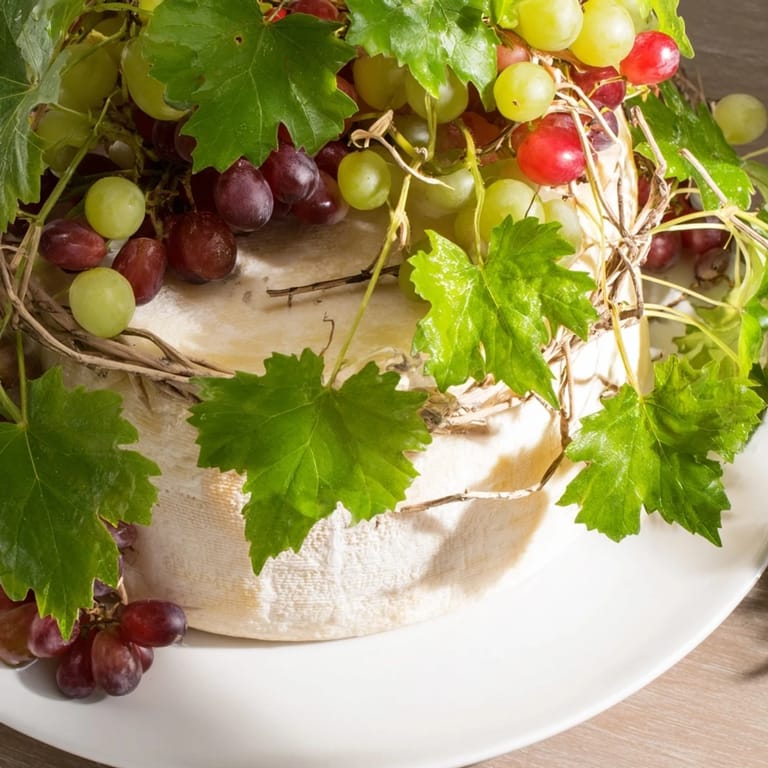 Save
Save I remember my mother-in-law asking how I'd transported this to the dinner party without destroying it, and I realized the whole thing—the vines, the casual arrangement—had given everyone permission to relax about perfection. That's when food becomes memory instead of just sustenance.
The Vineyard Philosophy
This dish exists because European farmhouses understood that the best meals happen when you stop separating the ingredients from the story. Draping vines over cheese isn't trendy; it's honest. It says the cheese came from animals that grazed near the same vines, and the whole thing belongs together. You're not plating dinner; you're presenting a relationship between land and labor.
Cheese Selection Matters
Young, unfinished cheeses have texture that makes them worth eating straight from the wheel. Aged, crumbly cheeses often need knives and technique. Rustic wheels with rough rinds actually look better with vines—the imperfections become character. If you can't find true rustic cheese, look for anything labeled farmhouse or handmade. Those terms usually mean someone cared about how it looks as much as how it tastes.
Wine and Beverage Pairing
This board practically begs for wine. The acidity in crisp whites cuts through the richness of young cheese, while light reds with low tannins won't overpower anything. But honestly, the grapes themselves make you think differently about what to drink. I've seen people pour local white wines they'd normally pass on, and suddenly understood why. The whole presentation becomes a conversation about terroir and place.
- Crisp whites like Albariño or young Riesling create the cleanest, most refreshing pairing.
- A light red like Pinot Noir or young Gamay tastes somehow greener and more alive next to grapes.
- Sparkling wine works if you want the evening to feel celebratory rather than contemplative.
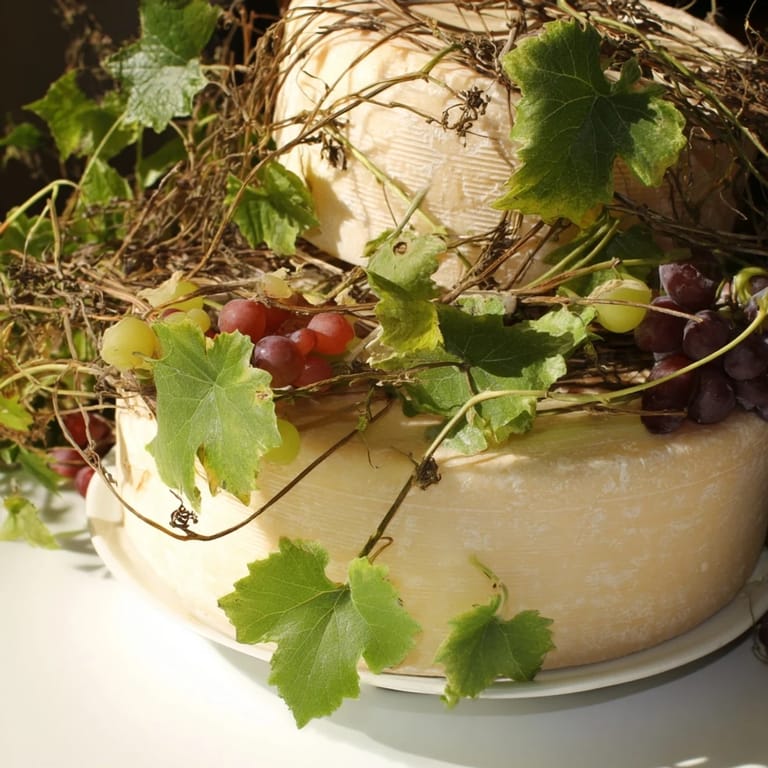 Save
Save This isn't a recipe that needs perfecting—it needs confidence. The vines, the chaos of the arrangement, the permission for people to feed themselves: those are the real ingredients.
Recipe Guide
- → What type of cheese works best?
Young, rustic cheeses like tomme, pecorino, or farmhouse varieties provide ideal texture and flavor for this presentation.
- → Can grape leaves substitute grapevines?
Yes, if full untreated grapevines aren’t available, fresh grape leaves can be used to maintain the vineyard aesthetic.
- → Is this dish served warm or cold?
It is best served at room temperature to maximize the cheeses’ flavor and maintain grape freshness.
- → Are there any recommended accompaniments?
Sliced rustic bread, assorted nuts, and dried fruits complement the cheese and grapes beautifully.
- → How should grapevines be prepared?
Use untreated, organic grapevine branches, thoroughly washed and dried, to ensure a natural and safe presentation.