 Save
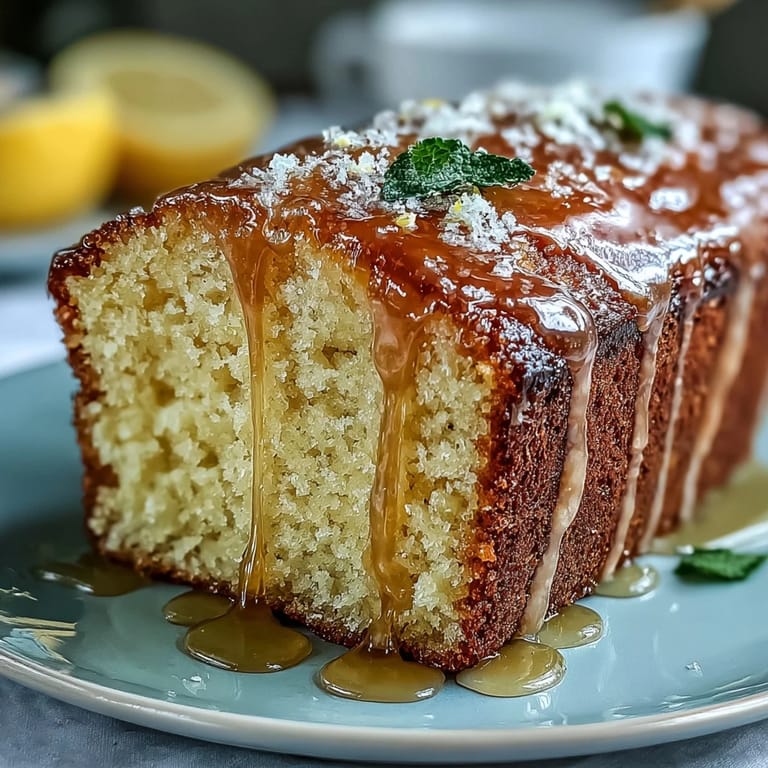
Save My neighbor Maria handed me a bottle of homemade Limoncello one September afternoon, insisting I had to do something special with it. I stood in my kitchen that evening, turning the golden bottle over in my hands, and suddenly remembered my grandmother's kitchen in Amalfi, where lemon trees grew so thick you could pick them from the window. That's when I knew: this liqueur deserved to live inside a cake, not just in a glass. The result was this Limoncello Pound Cake, and now it's become my answer to every spring gathering and celebration that needs something both elegant and unapologetically bright.
Last spring, I brought this cake to a book club gathering where I'd never hosted before, and something magical happened. A woman named Claire took one bite, closed her eyes, and said it tasted like she was sitting on a terrace in Italy with the sun warming her face. No one had ever described my baking quite that way before, and I realized the Limoncello wasn't just adding flavor—it was adding memory, possibility, a little transport.
Ingredients
- All-purpose flour: The foundation that keeps this cake tender and fine-crumbed; make sure it's measured by spooning and leveling, never scooping straight from the bag, which packs it down and can make your cake dense.
- Baking powder: This is what gives the cake its gentle rise and airy crumb, so check the date on your tin because old leavening makes sad, flat cakes.
- Unsalted butter: Room temperature butter incorporates air more easily than cold butter, which is the secret to that light, fluffy texture that makes people ask for seconds.
- Granulated sugar: Creamed with butter, it becomes tiny pockets of air that create the cake's delicate structure, so don't skip the full 3 to 4 minutes of beating.
- Large eggs: Room temperature eggs blend into the batter more smoothly and create better texture; cold eggs can cause the batter to seize up and break.
- Fresh lemon zest: This is where the brightness begins—one tablespoon might seem small, but those tiny flecks of oil from the skin are flavor bombs that no extract can replace.
- Fresh lemon juice: Adds subtle tanginess and moisture, but use fresh-squeezed whenever possible because bottled juice tastes flat and thin by comparison.
- Limoncello liqueur: The star ingredient that adds complexity, a whisper of alcohol that bakes off, and that distinctive sunny flavor that people will taste but not quite identify.
- Pure vanilla extract: A small anchor that deepens the flavor without announcing itself, making the lemon sing even louder.
- Whole milk: At room temperature, it blends into the batter without shocking the mixture; alternate adding it with the flour to keep everything homogeneous and prevent overmixing.
- Powdered sugar: Sift it before using for the glaze so you avoid lumpy, grainy streaks on your finished cake.
Tired of Takeout? 🥡
Get 10 meals you can make faster than delivery arrives. Seriously.
One email. No spam. Unsubscribe anytime.
Instructions
- Set your stage:
- Preheat your oven to 350°F and prep your Bundt or loaf pan with butter and flour, making sure to coat every curve and crevice so your beautiful cake doesn't stick. While that's happening, whisk together your flour, baking powder, and salt in a medium bowl and let it sit—this distributes the leavening evenly so every slice rises the same way.
- Make fluffy magic:
- In a large bowl, beat softened butter and sugar together with an electric mixer for 3 to 4 minutes until it looks light and pale, almost like frosting. You'll know you're done when you lift the beaters and the mixture falls back in soft ribbons, not in a dense lump.
- Build the batter gently:
- Add your eggs one at a time, beating well after each one so the mixture stays emulsified and creamy. Once all eggs are in, mix in your lemon zest, lemon juice, Limoncello, and vanilla extract until everything smells like sunshine and citrus.
- Weave the dry and wet:
- Here's where patience matters: alternate adding your flour mixture and room temperature milk to the wet ingredients, starting and ending with flour. Mix on low speed, and stop as soon as you don't see any white streaks—overmixing develops gluten, which toughens the cake and ruins all your careful work.
- Fill and smooth:
- Pour the batter into your prepared pan and use a spatula to smooth the top so it bakes evenly and looks polished when inverted. Tap the pan gently on the counter a few times to release any hidden air bubbles that could create tunnels.
- Bake with patience:
- Bake for 50 to 55 minutes, or until a toothpick inserted into the center comes out clean with just a few moist crumbs. Every oven is different, so start checking at 48 minutes to avoid a dry cake.
- Cool and release:
- Let the cake sit in the pan for 15 minutes—this allows it to firm up so it doesn't break when you invert it onto a wire rack. If it doesn't release easily, run a thin knife around the edges and tap the bottom of the pan gently.
- Make the glaze:
- Whisk powdered sugar, fresh lemon juice, optional Limoncello, and lemon zest together until you have something pourable but thick enough to cling to the cake. If it's too thick, add another half tablespoon of lemon juice; if too thin, add a pinch more powdered sugar.
- Dress and finish:
- Once your cake is completely cool, drizzle the glaze slowly over the top and let it cascade down the sides naturally. Wait at least 30 minutes before slicing so the glaze sets into a thin, glossy shell.
 Save
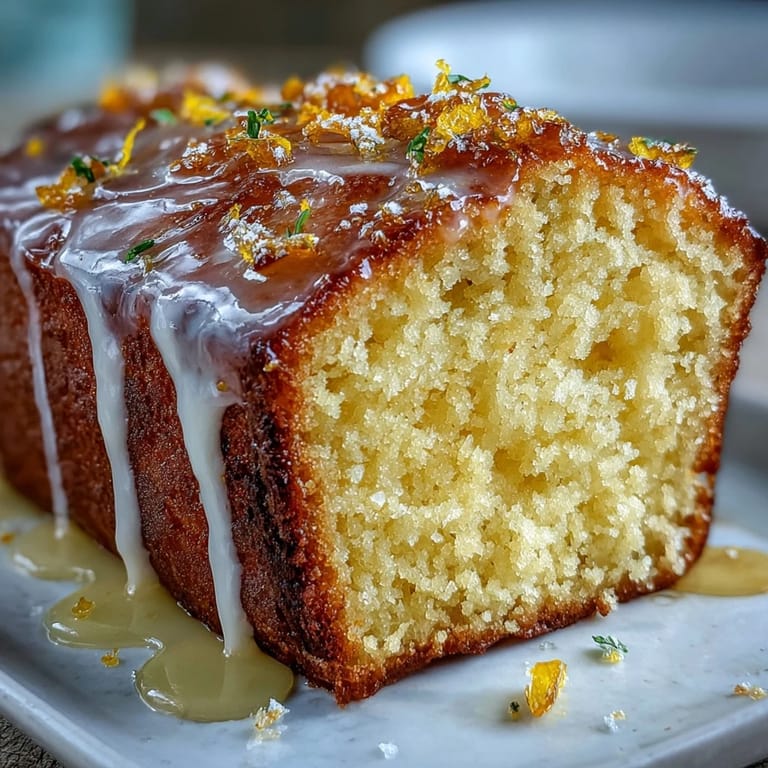
Save One winter, my sister called asking for a recipe she could make for her new in-laws, something impressive but not intimidating. I gave her this one, and weeks later she sent me a photo of the finished cake, golden and glazed and stunning on a white plate. She wrote: "Mom said it reminds her of vacation." Sometimes a dessert becomes the bridge between people, a small, edible way of saying: I want you to feel welcome here.
The Secret of Limoncello in Baking
Limoncello is more than just a spirit; it's concentrated lemon essence wrapped in alcohol. When it bakes, the alcohol evaporates and leaves behind a flavor that tastes simultaneously fresh and layered, bright and somehow sophisticated. I learned this by accident years ago when I substituted it in a simple syrup for soaking sponge cakes, and the result was so good I started finding reasons to use it everywhere. The key is using just enough that people taste the complexity without tasting the alcohol—this recipe hits that balance perfectly.
Why Fresh Citrus Changes Everything
There's a moment when you zest a lemon where the oil releases from the skin and perfumes the whole air around you—that's your signal that you're using real, vibrant citrus. Bottled lemon juice tastes sharp and one-dimensional by comparison, almost like it's complaining instead of celebrating. Once I switched to fresh, I realized all my previous cakes had been missing an essential brightness, a cheerfulness that turns a good dessert into one people remember fondly for years.
Variations and Personal Touches
This cake is flexible enough to make your own. I've made it with candied lemon peel pressed into the top, turned it into a loaf cake instead of a Bundt, and even added a thin layer of lemon curd between two thinner layers to make it more elaborate for special occasions. The non-alcoholic version, made by replacing Limoncello with extra lemon juice, works beautifully if you're serving families with young children or prefer to avoid alcohol entirely. One friend even added a handful of fresh raspberries to the batter for a spring twist that turned out unexpectedly perfect.
- Toast the lemon zest lightly in a dry pan before adding it to amplify the citrus flavor even more dramatically.
- Serve it slightly warm with softly whipped cream and fresh mint for an elegant, restaurant-quality presentation.
- Store it wrapped in plastic wrap for up to four days; it actually tastes better after a day or two as the flavors settle.
 Save
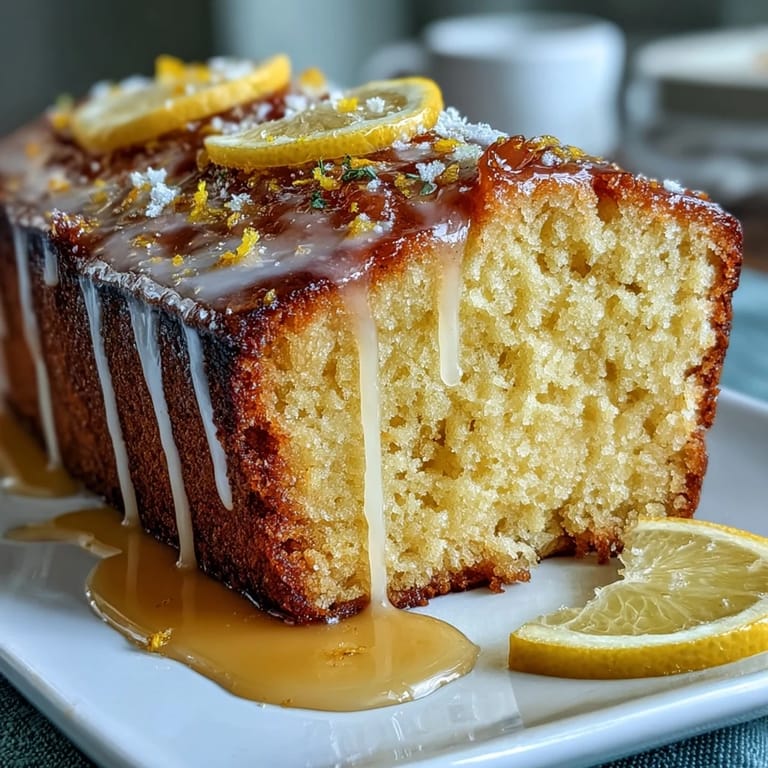
Save This cake has become my answer to spring, to celebrations, to moments when I want to offer people something that tastes like care and warmth and a little bit of imported sunshine. Make it for someone you love, and watch how a simple slice of cake can become a small conversation, a memory in the making.
Recipe Guide
- → How can I make this cake moist?
Properly creaming butter and sugar, alternating dry ingredients with milk, and avoiding overmixing ensure a tender, moist texture.
- → Can I substitute Limoncello with a non-alcoholic option?
Yes, replacing Limoncello with additional fresh lemon juice retains the citrus flavor without alcohol.
- → What is the best way to apply the lemon glaze?
Drizzle the glaze over the completely cooled cake for a smooth, glossy finish that sets well.
- → How long should the cake bake?
Bake for about 50–55 minutes at 350°F (175°C) until a toothpick inserted in the center comes out clean.
- → What garnishes complement this cake?
Thin lemon slices, candied lemon peel, or fresh berries add bright color and enhance citrus notes.
- → Can this cake be made ahead?
Yes, it can be baked a day in advance and stored covered at room temperature to maintain freshness.