 Save
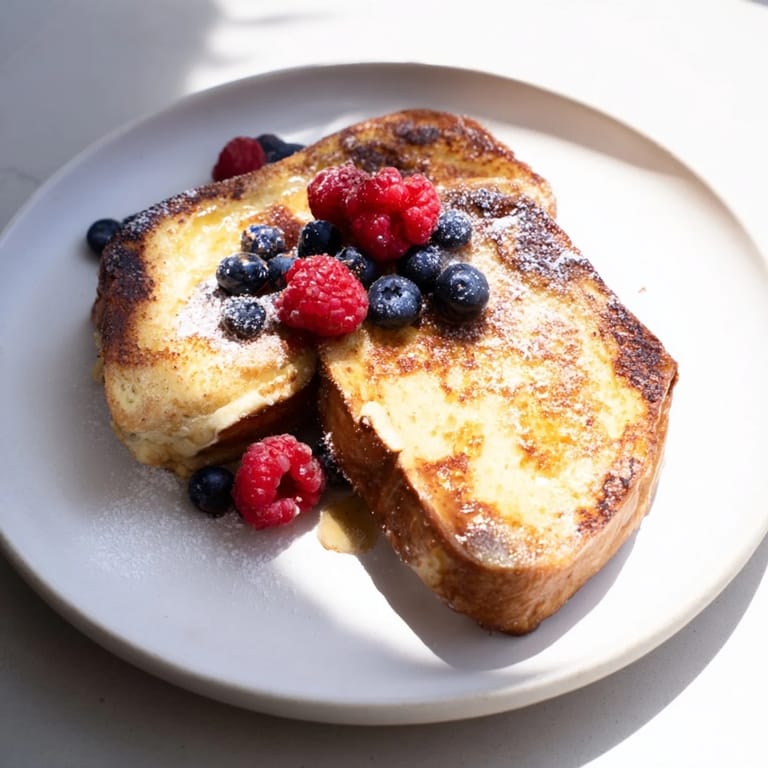
Save I discovered this version of French toast completely by accident one Sunday morning when I had a melting pint of vanilla ice cream sitting on the counter and decided to use it instead of hunting for cream and milk. The result was so ridiculously rich and custardy that I immediately called my roommate over to try it, and she's been asking me to make it ever since. There's something about that ice cream base that transforms ordinary bread slices into something almost decadent, with edges that caramelize into this gorgeous golden-brown crust.
The first time I made this for friends at a brunch gathering, I was honestly nervous about the concept, but when everyone took their first bite and their eyes lit up, I knew I'd stumbled onto something special. One person asked if I'd added brown sugar to the custard because of how golden and sweet the toast tasted, and I got to have that fun moment of revealing the secret ingredient was basically melted ice cream.
Ingredients
- Thick-cut bread (brioche or challah), slightly stale: You want 8 slices that can stand up to soaking without falling apart; brioche is almost too tender when fresh, so letting it sit out overnight makes all the difference.
- Premium ice cream, melted: Use 2 cups of whatever flavor speaks to you; vanilla is foolproof, but I've had incredible results with cinnamon and coffee too.
- Eggs: Two large eggs help bind everything and add richness without making the custard watery.
- Ground cinnamon: Just 1/4 teaspoon adds warmth; it's optional but worth the small effort.
- Pure vanilla extract: A teaspoon deepens the flavor in a way that feels almost indulgent.
- Salt: A tiny pinch makes every other flavor pop, even though you won't taste it directly.
- Unsalted butter: You'll need about 2 tablespoons total to build that golden crust; use more if your skillet is particularly large.
Tired of Takeout? 🥡
Get 10 meals you can make faster than delivery arrives. Seriously.
One email. No spam. Unsubscribe anytime.
Instructions
- Combine your custard:
- In a large bowl, whisk together the melted ice cream, eggs, cinnamon, vanilla, and salt until the mixture is smooth and you don't see any streaks of egg white. This takes maybe a minute of actual whisking.
- Get your skillet ready:
- Heat a nonstick skillet or griddle over medium heat and add 1 tablespoon of butter, letting it foam and turn slightly nutty before you start cooking.
- Dip with intention:
- Take each bread slice and dip it into the custard for about 10 to 15 seconds per side, letting the excess drip back into the bowl so you end up with a well-soaked but not waterlogged slice.
- Cook until caramelized:
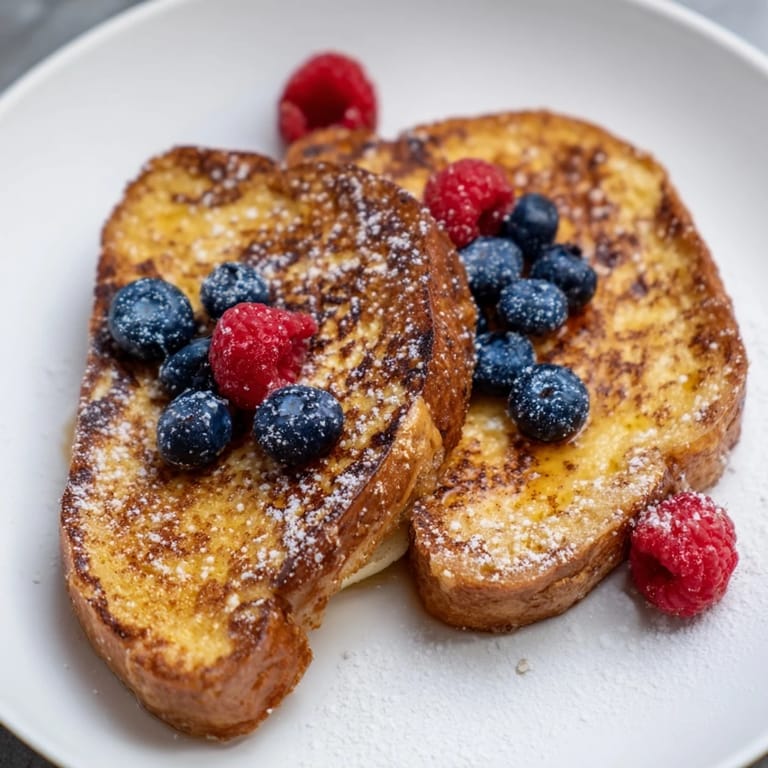
- Place the dipped slices onto the hot skillet and cook for 2 to 3 minutes on each side until they develop that gorgeous deep golden-brown crust; the butter should sizzle gently around the edges.
- Keep them warm:
- Transfer finished slices to a wire rack or a warm serving plate as you finish cooking the remaining batches, adding more butter to the skillet as needed.
- Plate and enjoy:
- Serve warm with maple syrup, fresh berries, powdered sugar, or whatever toppings call to you.
 Save
Save There was this one morning when I made this for someone I was trying to impress, and as they took their first bite, they closed their eyes and just smiled. It turned out to be one of those small moments that somehow mattered, and now whenever they visit, they ask if I'm making ice cream French toast for brunch.
Why Stale Bread Changes Everything
The first time I used fresh bread, the result was disappointing, so mushy that the slices fell apart on the plate. Then I remembered an old trick about stale bread soaking custard better, so I left a loaf out overnight and tried again. The difference was shocking; the bread held its shape, soaked up the ice cream mixture perfectly, and fried up golden instead of dense and heavy.
Playing with Flavors
Once you understand the basic formula, you can have fun experimenting with different ice cream flavors to completely change the breakfast vibe. Coffee ice cream gave me this surprisingly sophisticated version that my friends thought I'd somehow added espresso to, and cinnamon ice cream made everything taste autumnal and cozy even in the middle of summer.
Timing and Temperature Tips
The key to getting that crispy caramelized exterior while keeping the inside tender is medium heat and patience; rushing the temperature always results in burnt edges and raw centers. You'll know it's ready when you can smell that buttery, caramelized aroma and the edges look deep golden brown rather than pale. Think of it like cooking something you're actually excited about instead of rushing through a checklist.
- Use a nonstick skillet because non-nonstick surfaces will make the soaked bread stick and tear apart.
- Let your butter get foamy before adding the bread so it starts building that crust immediately.
- A wire rack keeps finished slices warm and crispy instead of getting soggy on a plate.
 Save
Save This recipe turned what felt like an accident into something I now make whenever I want to turn an ordinary morning into something special. There's real joy in watching someone taste it for the first time and realizing that the secret ingredient was a melted pint of ice cream.
Recipe Guide
- → Can I use any flavor of ice cream?
Yes, using different flavors like vanilla, cinnamon, or chocolate can add unique taste variations to the custard base.
- → What type of bread works best?
Thick-cut breads such as brioche, challah, or Texas toast are ideal for soaking the custard and achieving a tender texture.
- → How long should I soak the bread?
Dip each slice for 10–15 seconds per side to allow proper absorption without becoming too soggy.
- → Can I prepare this in advance?
It’s best enjoyed fresh, but bread slices can be dipped ahead and cooked just before serving for freshness.
- → What toppings complement this dish?
Maple syrup, fresh berries, and powdered sugar enhance the sweet, rich flavors perfectly.