 Save
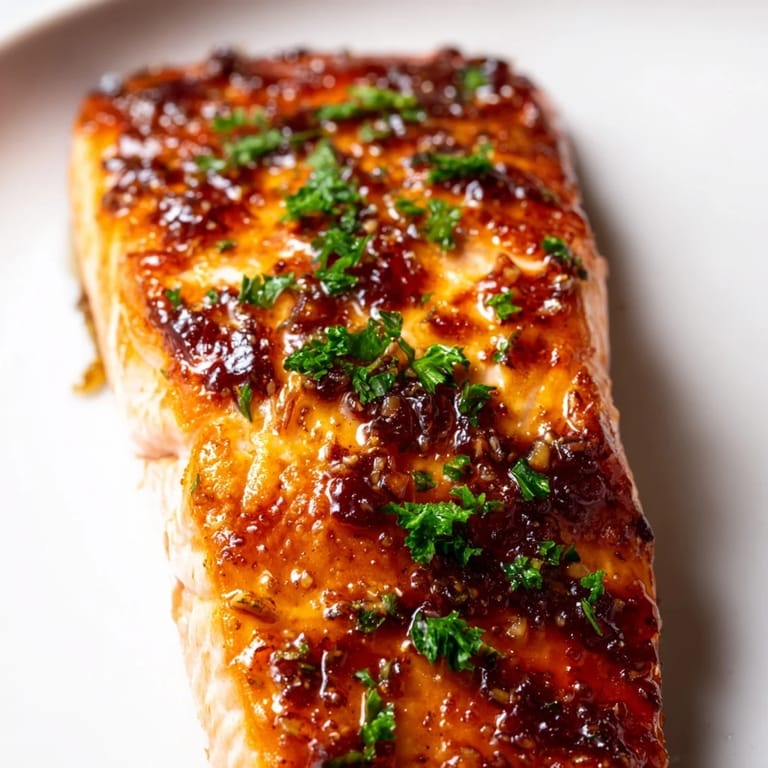
Save The kitchen smelled like butter and caramelized honey before I even opened the oven door. I was testing this glaze on a weeknight, tired and hungry, hoping for something that tasted impressive without the usual fuss. When I pulled those fillets out, golden and sticky at the edges, I knew I'd stumbled onto something I'd make over and over. It's become my answer to last-minute dinner guests and those evenings when I want to feel like I've really cooked, even if it only took twenty minutes.
I made this for my sister the night she got a promotion, and she kept asking if I'd ordered it from somewhere. There's something about the way the honey bubbles and darkens at the edges that makes it feel special, even though the ingredient list is shorter than most things I keep in my pantry. We ate it straight off the tray with forks, too hungry to bother plating it properly, and she still asks me to make it every time she visits.
Ingredients
- Salmon fillets (about 170 g / 6 oz each), skin-on or skinless: I prefer skin-on because it crisps up beautifully under the broiler, but skinless works just as well if that's what you have.
- Salt and freshly ground black pepper: Season lightly, the glaze brings plenty of flavor on its own.
- Honey: This is what gives the glaze its shine and sweetness, look for something mild so it doesn't overpower the garlic.
- Unsalted butter, melted: It adds richness and helps the glaze cling to the fish, I've tried olive oil and it's just not the same.
- Garlic, minced: Fresh is essential here, the aroma when it hits the hot pan is half the magic.
- Soy sauce: A splash of umami that balances the sweetness, use tamari or coconut aminos if you need it gluten-free.
- Fresh lemon juice: Brightens everything and keeps the glaze from feeling too heavy.
- Dijon mustard (optional): I skip it sometimes, but when I add it, the glaze tastes more complex and grown-up.
- Fresh parsley, chopped: A handful of green makes it look like you know what you're doing.
- Lemon wedges: For squeezing over the top right before you take your first bite.
Tired of Takeout? 🥡
Get 10 meals you can make faster than delivery arrives. Seriously.
One email. No spam. Unsubscribe anytime.
Instructions
- Prep the oven and tray:
- Preheat your oven to 200°C (400°F) and line a baking tray with parchment paper. This saves you from scrubbing sticky glaze off the pan later.
- Season the salmon:
- Pat the fillets dry with a paper towel, then place them on the tray and season both sides with a pinch of salt and pepper. Dry fish means better browning.
- Make the glaze:
- In a small bowl, whisk together the honey, melted butter, minced garlic, soy sauce, lemon juice, and Dijon mustard if you're using it. It should smell incredible already.
- Brush the fillets:
- Use a pastry brush to coat the top and sides of each fillet generously with the glaze. Don't be shy, you want every bite to be glossy and flavorful.
- Roast until tender:
- Slide the tray into the oven and roast for 12 to 15 minutes, depending on thickness, until the salmon flakes easily with a fork. The edges should start to look caramelized and golden.
- Broil for extra caramelization:
- If you want a deeper color and a bit of char, switch to broil for the final 1 to 2 minutes. Watch it closely, honey burns fast.
- Finish and serve:
- Remove from the oven, spoon any pan juices over the fillets, and sprinkle with chopped parsley. Serve hot with lemon wedges on the side.
 Save
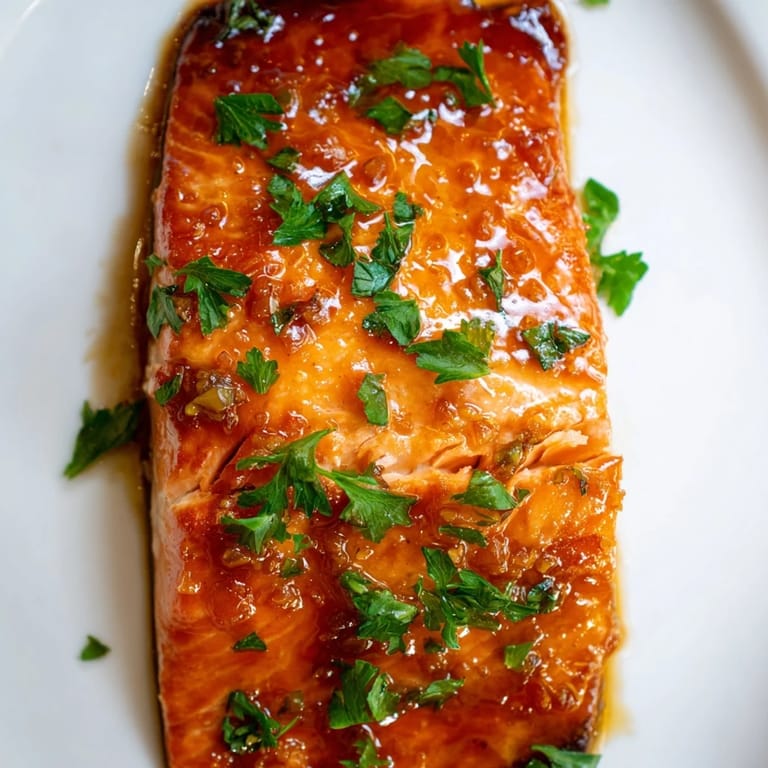
Save The first time I served this to someone who claimed they didn't like fish, they ate two fillets and scraped the glaze off the parchment with their finger. It was one of those quiet victories that made me feel like I'd cracked some kind of code. Now it's the dish I make when I want to remind myself that good food doesn't have to be complicated, it just has to taste like you cared enough to make it right.
What to Serve It With
I usually serve this with jasmine rice or roasted baby potatoes, something that can soak up the extra glaze. A pile of steamed broccoli or green beans on the side makes it feel balanced without adding much effort. Sometimes I'll toss together a quick cucumber salad with rice vinegar and sesame seeds, and it feels like a full meal that took planning, even though it didn't.
How to Store and Reheat
Leftover salmon keeps in an airtight container in the fridge for up to two days, though it's never quite as good as when it's fresh from the oven. I reheat it gently in a low oven or eat it cold, flaked over a salad with a drizzle of the pan juices. Microwaving tends to dry it out, so I avoid that unless I'm desperate.
Ways to Make It Your Own
If you like heat, whisk a pinch of crushed red pepper flakes into the glaze or drizzle sriracha over the top before serving. I've swapped the honey for maple syrup when I've run out, and it works beautifully, just a little less floral. Sometimes I add a teaspoon of grated fresh ginger to the glaze, and it shifts the whole flavor in a way that feels bright and unexpected.
- Try sprinkling sesame seeds over the fillets in the last minute of roasting for a nutty crunch.
- Swap the parsley for cilantro or thinly sliced green onions if that's what you have.
- Double the glaze recipe and save half for drizzling over roasted vegetables or tossing with noodles.
 Save
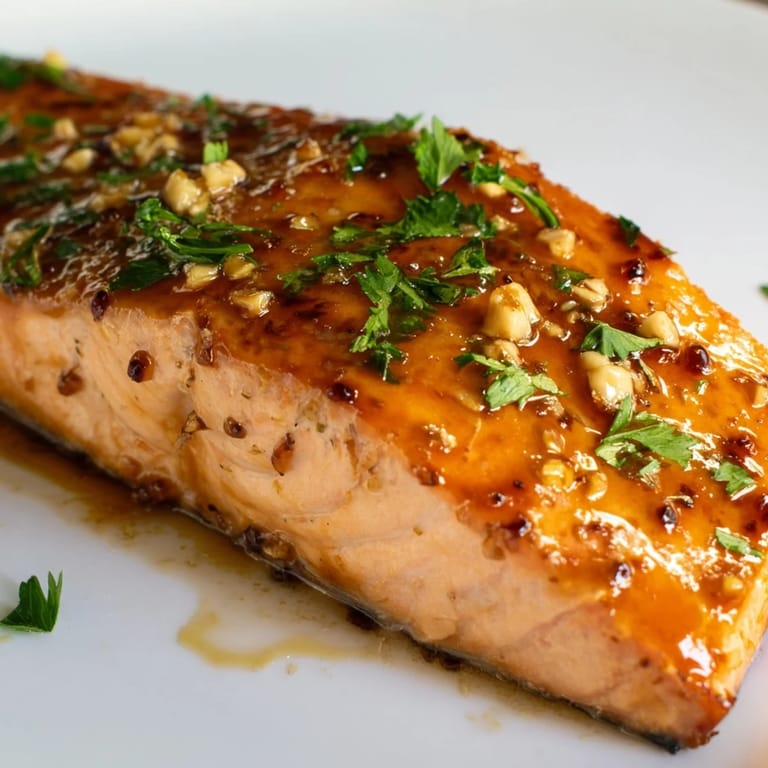
Save This is the kind of recipe that makes you feel capable in the kitchen, even on the nights when you're not sure you have the energy to cook. It tastes like effort, but it's really just good timing and a little bit of butter.
Recipe Guide
- → How do I know when salmon is cooked through?
Salmon is cooked when it flakes easily with a fork and reaches an internal temperature of 63°C (145°F). The flesh should be opaque throughout with no translucent areas remaining.
- → Can I prepare the glaze ahead of time?
Yes, you can prepare the glaze up to 2 hours in advance and store it in a small bowl. Keep it at room temperature or refrigerate, then bring to room temperature before brushing onto the salmon.
- → What if I don't have a pastry brush?
You can use the back of a spoon to spread the glaze over the salmon fillets, or simply pour it over the top and spread with a knife or spatula. Ensure even coverage for consistent caramelization.
- → How do I prevent the honey from burning?
Monitor the salmon closely during the final 1-2 minutes under the broiler to prevent excessive charring. If your oven runs hot, check at 12 minutes instead of waiting the full 15. The glaze should be caramelized, not blackened.
- → Can this be made gluten-free?
Yes, simply use gluten-free soy sauce in place of regular soy sauce. The remaining ingredients are naturally gluten-free. Always check product labels for cross-contamination warnings if you have celiac disease.
- → What side dishes pair well with this salmon?
Steamed rice, roasted vegetables like broccoli or asparagus, and fresh green salads all complement this dish beautifully. The honey garlic glaze pairs especially well with simple, lightly seasoned sides that won't compete with the flavors.