 Save
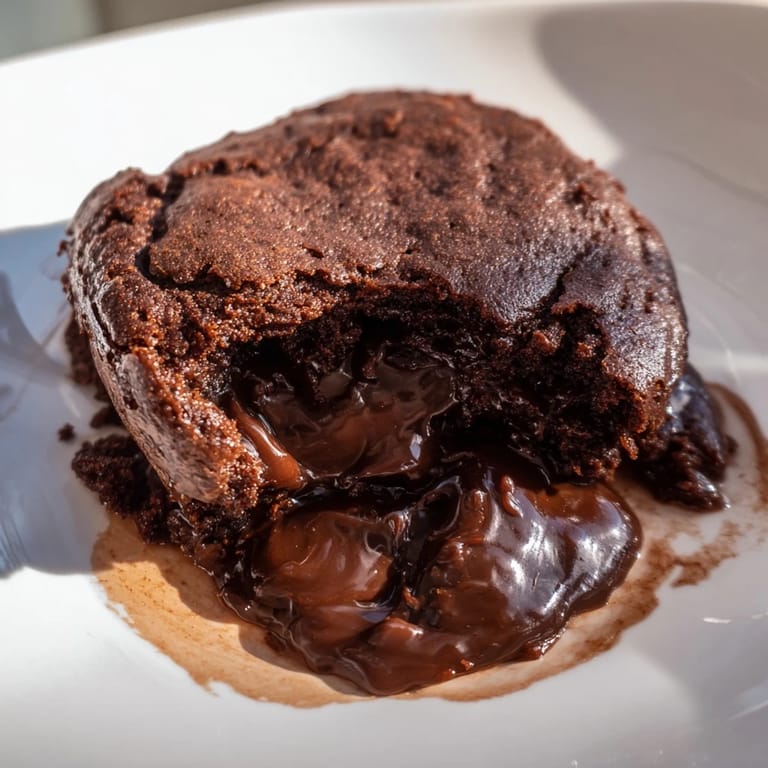
Save The first time I made this brownie pudding, I wasn't prepared for the magic that happens when you pull it from the oven. The top had this gorgeous crackly crust, but underneath was pure molten chocolate—almost like the dessert was playing a trick on me. I'd seen Ina Garten make it on television years ago, and something about her quiet confidence made me think I could actually pull it off. It turned out to be one of those rare recipes where minimal technique and good ingredients do most of the work for you.
I made this for a dinner party on a rainy November evening, and watching my friends' faces when they took that first spoonful was worth every minute of prep. One guest actually set down her fork and said nothing for a moment—just closed her eyes. It became the thing people asked me to bring to gatherings after that, which I didn't mind at all because the recipe never let me down.
Ingredients
- Unsalted butter (225 g): Use good quality butter here since it's a main flavor carrier, and room temperature melts more smoothly with the chocolate.
- Semisweet chocolate, chopped (170 g): Chopping it yourself instead of using chips ensures even melting and a silkier texture in the final pudding.
- Large eggs (4), room temperature: Room temperature eggs emulsify better with the sugar, creating that signature ribbon-like foam that gives the pudding its structure.
- Granulated sugar (2 cups): Don't skimp or substitute here—the sugar volume is what creates the custard-like center as it bakes.
- All-purpose flour (1/2 cup): The small amount of flour keeps the texture tender and prevents the pudding from becoming too dense.
- Unsweetened cocoa powder (2 tbsp): This deepens the chocolate flavor without adding extra fat or sugar.
- Vanilla extract (2 tsp): A good quality vanilla really rounds out the chocolate flavor and prevents it from tasting one-dimensional.
- Kosher salt (1/4 tsp): Salt is your secret weapon for making chocolate taste more like itself.
- Vanilla ice cream or whipped cream (optional): The cold against the warm pudding is essential to the experience, so I'd say this is less optional and more mandatory.
Tired of Takeout? 🥡
Get 10 meals you can make faster than delivery arrives. Seriously.
One email. No spam. Unsubscribe anytime.
Instructions
- Prep your dish:
- Preheat the oven to 325°F and butter a 2-quart baking dish thoroughly—you want every surface coated so nothing sticks. The lower oven temperature is intentional; it lets the pudding set gently without the edges drying out.
- Melt the chocolate:
- Set a heatproof bowl over simmering water and combine the butter and chopped chocolate, stirring until completely smooth. The steam does the heavy lifting here, so resist the urge to crank up the heat—chocolate can seize if it gets too hot.
- Cream eggs and sugar:
- In a stand mixer, beat the eggs and sugar on medium-high speed for 5 to 10 minutes until it's thick, pale, and falls from the beaters in thick ribbons. This step is where the magic starts—you're incorporating air that helps the pudding rise slightly and set.
- Combine wet ingredients:
- Reduce mixer speed to low, add vanilla and salt, then pour in the cooled chocolate mixture slowly while mixing just until combined. Over-mixing at this point can deflate all that air you just incorporated.
- Fold in dry ingredients:
- Sift the flour and cocoa powder together, then gently fold into the batter with a spatula using broad strokes. A few visible streaks are fine—you're just trying to distribute everything without stirring out the air.
- Set up the water bath:
- Pour the batter into your prepared dish, then nestle that dish inside a larger roasting pan. Pour hot tap water into the roasting pan until it comes halfway up the sides of the baking dish—this gentle, even heat is what creates that pudding center.
- Bake with patience:
- Bake for 1 hour, until the top is set and has that desirable crackle but the center still jiggles slightly when you gently shake the pan. Every oven is different, so start checking at 50 minutes to avoid overbaking.
- Cool and serve:
- Let the pudding rest for at least 15 minutes after removing from the oven—this helps the structure set just enough while keeping the center soft. Serve it warm with ice cream or whipped cream melting into the pudding.
 Save
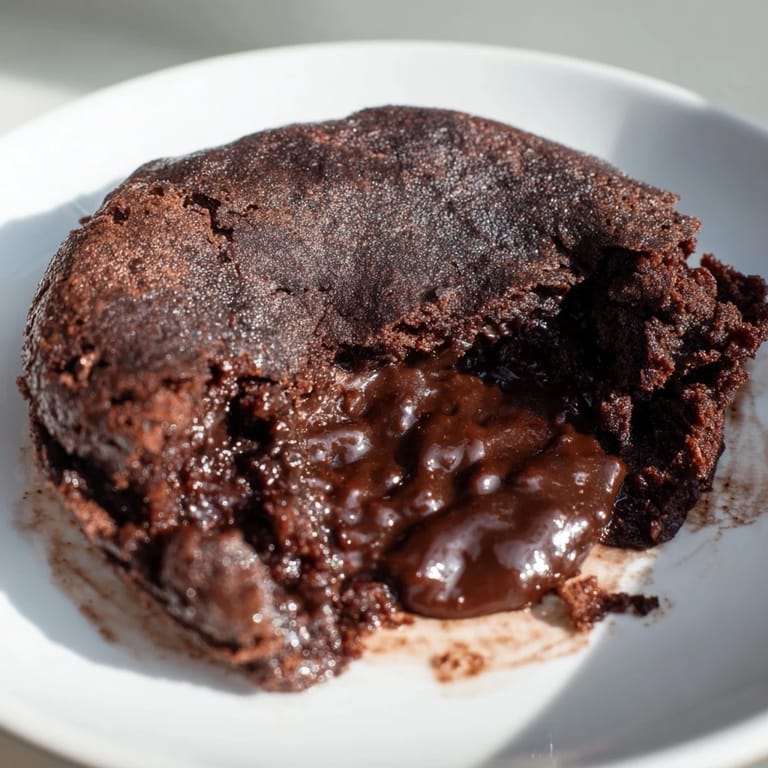
Save I've served this dessert to people who swear they don't even like chocolate, and it changed their minds completely. There's something about that warm pudding with cold ice cream that makes it feel like more than just a recipe—it becomes a moment worth savoring.
The Chocolate Question
The choice between semisweet and bittersweet chocolate genuinely changes the experience. Semisweet gives you that classic, approachable chocolate flavor that feels indulgent without being overwhelming. If you're cooking for chocolate purists or want something darker, bittersweet works beautifully, though it will taste noticeably less sweet and more sophisticated. I've even added a small pinch of espresso powder to the batter when using semisweet, and it deepens the flavor in a way that feels almost mysterious—your guests won't know what makes it taste so good, they'll just know it does.
Scaling and Adaptations
This recipe halves easily if you're cooking for two people or want less of a commitment. Just use a smaller baking dish and reduce the baking time slightly—maybe start checking at 40 minutes instead of 50. I've made single servings in small ramekins for intimate dinners, though they bake faster and need closer attention. The water bath is still non-negotiable at any size; it's the one thing you can't skip.
Serving Suggestions and Timing
This dessert actually improves if you make it earlier in the day and reheat it gently before serving—just cover it and pop it in a 275°F oven for about 10 minutes to warm through. The pudding maintains its texture beautifully, and you get the bonus of being able to spend more time with your guests instead of rushing between courses. I usually serve it while it's still warm with whatever cold topping is closest at hand, because that temperature contrast is really where the magic lives.
- A sprinkle of fleur de sel on top adds a sophisticated touch that makes people wonder what you did differently.
- Leftover pudding is fantastic cold the next morning, almost like a chocolate mousse, so don't hesitate to make extra.
- If you forgot the ice cream or whipped cream, even a splash of good cream poured over the warm pudding works beautifully in a pinch.
 Save
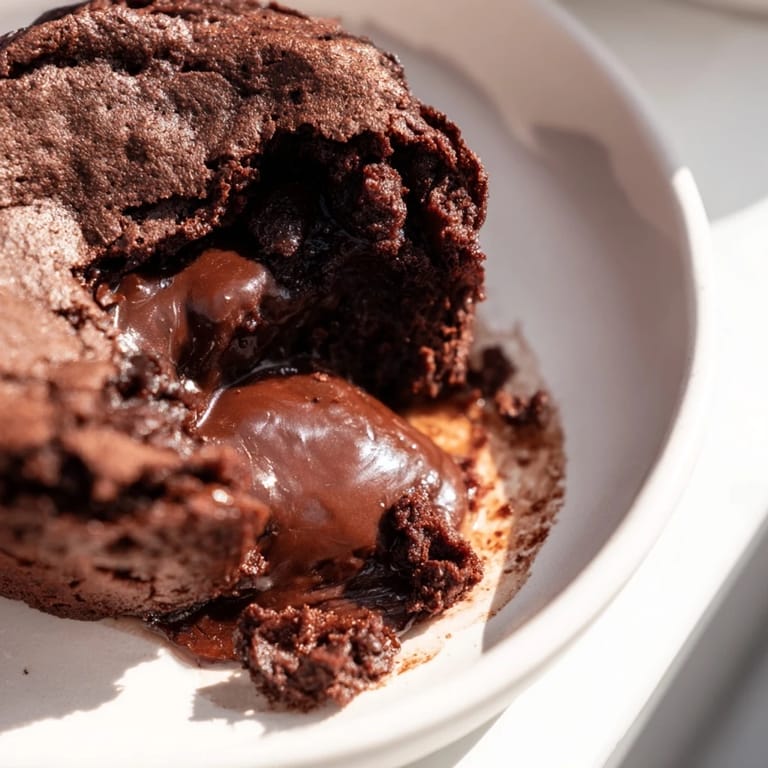
Save This is the kind of dessert that reminds you why cooking for people matters—it's not about perfection, it's about that moment when something warm and luxurious bridges the gap between you and the people you're feeding.
Recipe Guide
- → What makes the center molten in this dessert?
The dessert is baked in a water bath at a moderate temperature, allowing the outer edges to set while keeping the center soft and gooey for a molten texture.
- → Can I use different types of chocolate for more flavor?
Yes, bittersweet chocolate or adding a pinch of espresso powder enhances the depth of chocolate flavor without overpowering the dessert.
- → Why is it important not to overbake this dessert?
Overbaking can result in the center becoming firm rather than soft and pudding-like, losing its signature molten texture.
- → What is the purpose of the water bath during baking?
The water bath provides gentle, even heat, preventing the outer part from overcooking and helping maintain the creamy, molten center.
- → How can I serve this dessert for best results?
Serving warm alongside vanilla ice cream or lightly sweetened whipped cream complements its rich chocolate flavor and soft texture.