 Save
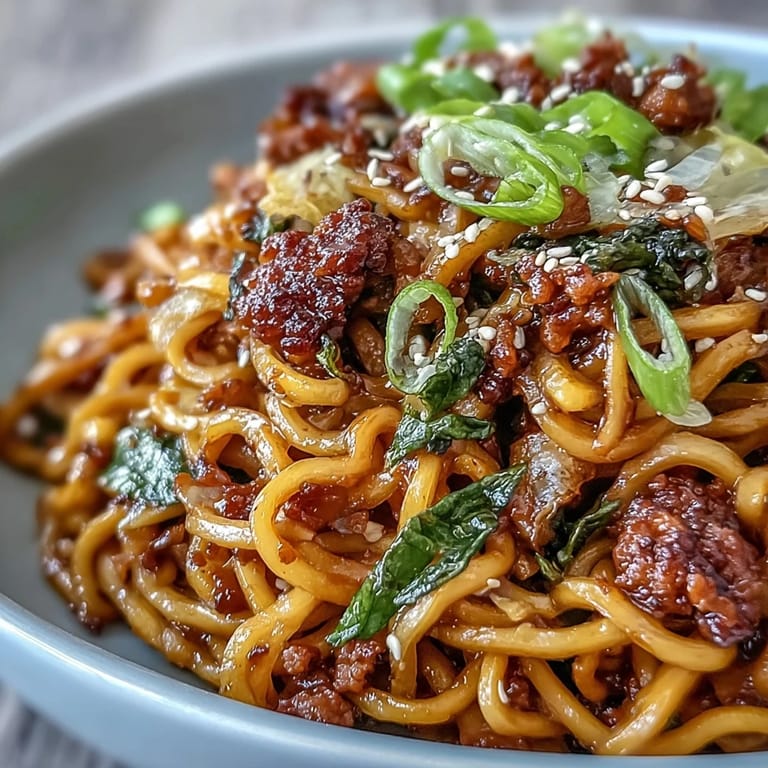
Save There's something about the sizzle of ground turkey hitting a hot wok that makes everything feel urgent and exciting. My neighbor mentioned she'd been craving Korean flavors but wanted something lighter than her usual takeout routine, so I started experimenting with ground turkey one weeknight and never looked back. The first time I tossed it all together, the aroma was so insistent—ginger, gochujang, sesame oil mingling with caramelizing meat—that I had to open every window. My kid came downstairs asking what smelled so good, and honestly, that's when I knew this dish was a keeper. It's become our go-to when we're hungry but don't want to spend an hour cooking.
I made this for a group of friends one Friday night, and what started as a casual dinner turned into everyone asking for the recipe before they'd even finished eating. One friend kept circling back to the noodles, asking how they got so perfectly coated without being heavy. That's when I realized this dish hits that sweet spot between comforting and bright, the kind of meal that feels indulgent but doesn't weigh you down afterward.
Ingredients
- Ground turkey: A pound gives you plenty of protein without overwhelming the other flavors; it browns faster than you'd expect, so watch for that moment when it goes from pink to golden.
- Fresh or dried wheat noodles: Fresh ramen or udon noodles have this tender quality that dried ones can't quite match, but dried works beautifully if that's what you have on hand.
- Shredded carrots: They soften just enough during cooking to add natural sweetness without becoming mushy.
- Red bell pepper: Slice it thin and it becomes almost silky, adding a slight char and brightness that balances the richness of the sauce.
- Napa cabbage: This is the secret to keeping everything light; it wilts down significantly but keeps its delicate texture.
- Green onions: Use them twice, once cooked into the dish and again as a fresh garnish, for layered flavor that feels like a restaurant secret.
- Soy sauce: The foundation of the sauce; it brings umami depth that ties everything together.
- Gochujang: Korean chili paste with a subtle sweetness that makes you understand why it's been perfected over centuries.
- Sesame oil: Just a tablespoon makes the entire dish smell incredible; don't skip it or substitute it.
- Brown sugar: A tablespoon cuts through the heat and salt with just enough sweetness to make your mouth want more.
- Garlic and ginger: Fresh, never powdered, so you get those bright, sharp notes that make people say what is that amazing flavor.
- Rice vinegar: The acid that keeps the sauce from feeling one-note and heavy.
- Toasted sesame seeds: The garnish that transforms this from good to memorable.
Tired of Takeout? 🥡
Get 10 meals you can make faster than delivery arrives. Seriously.
One email. No spam. Unsubscribe anytime.
Instructions
- Build your sauce while everything else waits:
- Grab a small bowl and whisk together the soy sauce, gochujang, sesame oil, brown sugar, minced garlic, rice vinegar, and ginger until it's smooth and glossy. This moment of prep work pays off because you won't have to fumble with ingredients while the pan is screaming hot.
- Cook the noodles to tender perfection:
- Boil them according to package directions, then drain and rinse under cold water right away to stop the cooking and prevent sticking. Cold noodles are easier to separate and won't turn to mush when they hit the hot pan later.
- Get the turkey going in a roaring hot pan:
- Heat your skillet or wok over medium-high heat with just a drizzle of oil, then add the ground turkey and let it sizzle undisturbed for a minute before breaking it apart. You're looking for golden-brown bits and cooked-through meat in about four to five minutes.
- Add vegetables in stages so nothing gets sad and overcooked:
- Toss in the onion, carrots, and bell pepper first and stir-fry for two to three minutes until they start to soften, then add the shredded cabbage and cook for another two minutes. The timing matters here because you want them tender but still with a little snap.
- Pour in the sauce and let it coat everything:
- The sauce hits the hot pan and immediately caramelizes slightly, clinging to the turkey and vegetables in this glossy, aromatic coat. Give it a good toss for about a minute so everything gets enveloped.
- Introduce the noodles and bring it all home:
- Add your cooked noodles to the skillet and toss everything together continuously for two to three minutes until the noodles are heated through and the entire dish is a cohesive, gorgeous tangle. You'll know it's ready when you can barely see the pan under the food.
- Finish with garnish and serve while it's still steaming:
- Remove from heat, scatter sesame seeds and fresh green onions across the top, and serve immediately in bowls. The contrast between the hot noodles and those cool green onion slivers is worth the extra thirty seconds it takes.
 Save
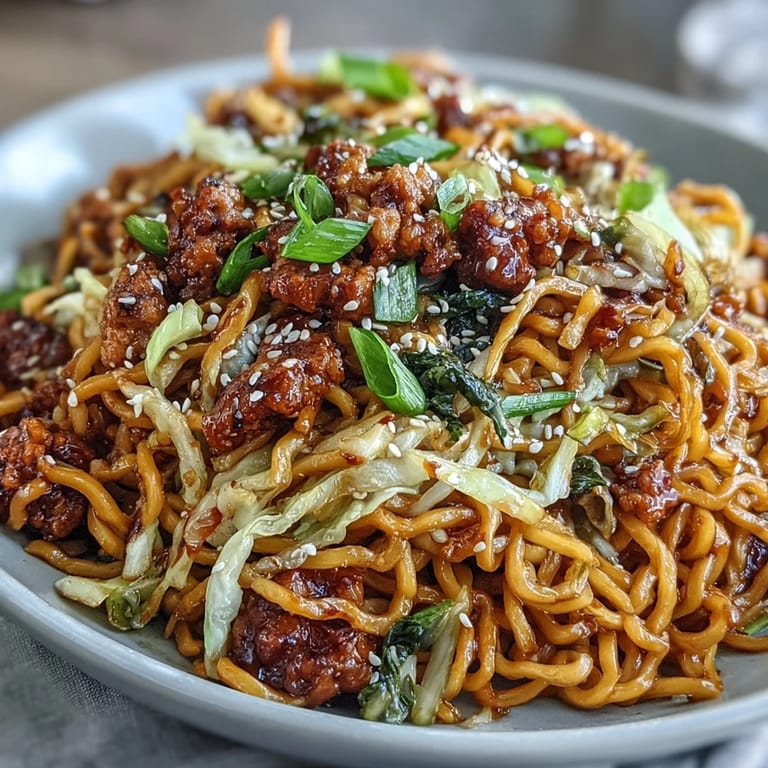
Save There's a moment near the end of cooking when everything stops being separate ingredients and becomes this incredible dish, and my kitchen smells like a Korean restaurant that somehow exists in my home. That transformation never gets old, and it's why people keep asking me to make this when they come over.
The Magic of Ground Turkey in Asian Cooking
Ground turkey absorbs flavors in a way that feels almost greedy, soaking up every bit of that Korean sauce without adding a heavy, meaty taste that would overwhelm the vegetables and noodles. It's lean enough that you don't need to drain excess grease halfway through, which means fewer dishes and more time enjoying the meal. I used to think turkey was boring until I started treating it like a blank canvas instead of a substitute for something else.
Why Fresh Noodles Change Everything
There's a textural difference between fresh and dried noodles that becomes obvious the moment you taste both versions, and fresh ramen or udon wins on tenderness and ability to absorb sauce. My local Asian market sells fresh noodles refrigerated near the tofu, and buying them has genuinely made me cook this dish more often because they're worth the trip. If you can only find dried noodles, they're still delicious, but fresh feels like the version you'd get at a restaurant.
Building Layers of Flavor Without Heaviness
The genius of this sauce is how it balances salt, sweetness, heat, and acid so nothing dominates, and your palate stays interested through every bite instead of getting tired halfway through the bowl. The rice vinegar is the ingredient people never guess, but it's what keeps the richness from getting cloying. The ginger adds this bright, almost fresh note that makes everything feel lighter than it actually is, which is exactly what keeps you reaching for more.
- Toast your sesame seeds in a dry pan for one minute before using; it wakes up their nutty flavor and makes them taste premium.
- Keep the heat at medium-high, not screaming high, so the vegetables actually cook instead of just warming through while the pan burns things underneath.
- Taste the sauce before serving and add a tiny splash more rice vinegar if it feels too salty or sweet; different brands of gochujang have different intensity levels.
 Save
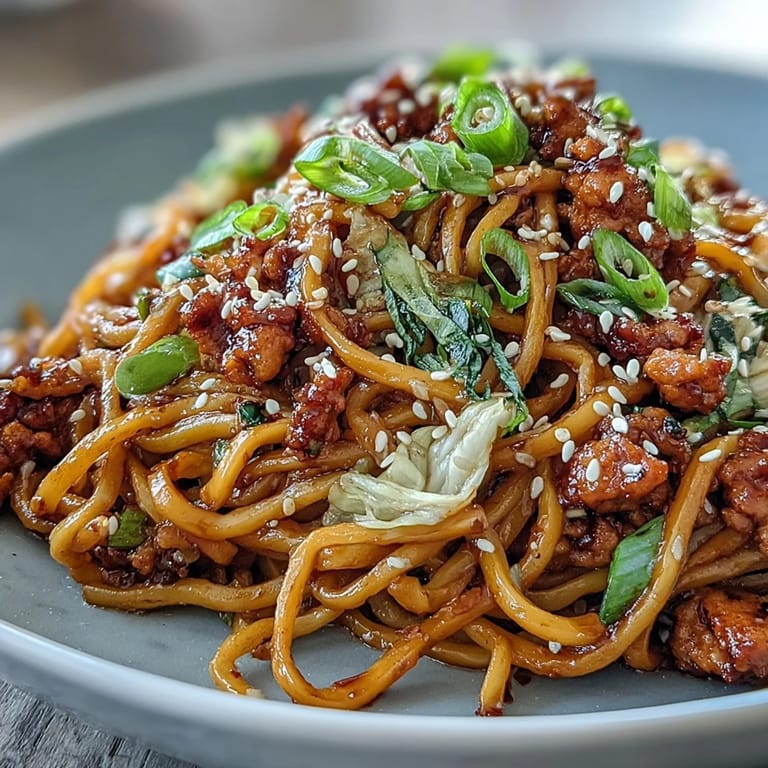
Save This dish has become my answer to that question everyone asks on a weeknight: what's for dinner when we're hungry but tired and don't want to think too hard? It's become the meal I make when I want to feel like I'm cooking something impressive without the stress.
Recipe Guide
- → What noodles work best for this dish?
Udon or ramen noodles work wonderfully as they hold up well during stir-frying and absorb the Korean sauce beautifully. You can use fresh or dried varieties depending on what's available.
- → Can I make this less spicy?
Simply reduce the amount of gochujang in the sauce or substitute with a milder chili paste. The sauce will still deliver delicious Korean flavors with less heat.
- → What protein alternatives can I use?
Ground chicken or beef work equally well in this dish. You can also use crumbled tofu for a vegetarian option, though you may want to add extra seasonings.
- → How do I store leftovers?
Store in an airtight container in the refrigerator for up to 3 days. Reheat gently in a skillet with a splash of water to prevent the noodles from drying out.
- → What vegetables can I add?
Bok choy, snap peas, mushrooms, or bean sprouts make excellent additions. Feel free to use whatever crisp vegetables you have on hand for added texture and nutrition.