 Save
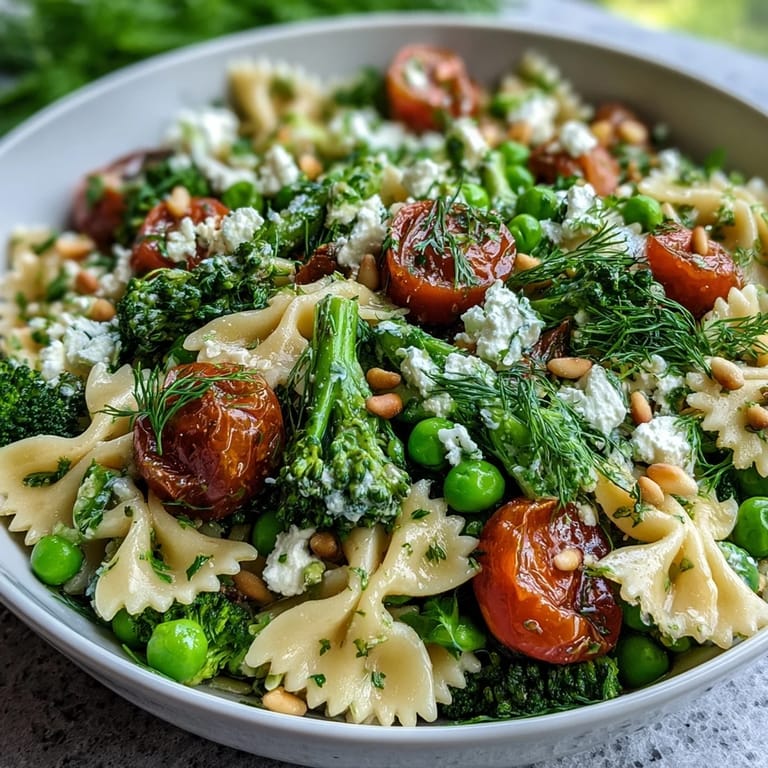
Save Last summer, my neighbor knocked on the door with a basket of cherry tomatoes so vibrant they looked almost fake, and asked if I could bring something to a neighborhood picnic the next day. I panicked until I remembered my grandmother's trick: when you don't have much time but need to impress, toss something fresh and colorful with a bright dressing. That's how this spring garden pasta salad became my go-to move—it's colorful enough to turn heads, simple enough to pull together while the pasta water boils, and somehow tastes even better the next day.
I brought it to that picnic nervously, not knowing if the feta would hold up in the heat or if the pasta would somehow go soggy despite my best efforts. Instead, people actually asked for the recipe—something that had never happened to me before. Now whenever someone brings it to a gathering, I recognize that same nervousness in their voice when they set it down, and I always make sure to compliment it first.
Ingredients
- Short pasta (fusilli, penne, or farfalle), 250 g: The shape matters here because the little spirals and ridges catch the dressing and hold it better than smooth pasta would, so every bite actually tastes like something rather than just tasting like noodles.
- Fresh broccoli, 1 small head cut into small florets: Blanching it in the pasta water is the secret—it softens just enough to be pleasant while staying bright green and holding its texture, unlike broccoli that's been boiled to death in a separate pot.
- Fresh or frozen peas, 150 g: Frozen peas are honestly better here because they're picked at peak ripeness and stay tender without turning to mush, so don't skip them just because they're not fresh.
- Cherry tomatoes, 100 g halved: Halving them instead of quartering means they don't get lost in the pasta, and the cut surface catches enough dressing to actually contribute flavor.
- Spring onions, 2 thinly sliced: The white and light green parts add a gentle sharpness that keeps the whole thing from tasting flat, while the dark green tops can be scattered over the top for color.
- Cucumber, 1 small diced: Add this just before serving if you're making it ahead, otherwise it releases water and makes everything wet and sad by the time you eat it.
- Extra-virgin olive oil, 3 tbsp: Good oil is non-negotiable here because there's nowhere to hide—it's tasted directly, so this is not the time to use that bottle that's been in your cupboard since last winter.
- Fresh lemon juice, 2 tbsp: Squeezed fresh, not bottled—the brightness is the whole point, and bottled lemon juice tastes tinny by comparison.
- Dijon mustard, 1 tsp: This acts like an emulsifier to help the dressing coat everything evenly, and it adds a subtle sharpness that makes people wonder what the secret ingredient is.
- Garlic clove, 1 finely minced: Mince it small and let it sit in the dressing for a minute before tossing everything together so the flavor diffuses gently rather than hitting you with raw garlic chunks.
- Fresh dill and parsley, 1 tbsp each chopped: Fresh herbs are what transform this from a decent pasta salad into something that tastes like spring, so please don't substitute dried ones.
- Feta cheese and toasted pine nuts (optional): These add richness and crunch, but the salad is delicious without them too—use them if you have them on hand, skip them if you don't.
Tired of Takeout? 🥡
Get 10 meals you can make faster than delivery arrives. Seriously.
One email. No spam. Unsubscribe anytime.
Instructions
- Boil the pasta and vegetables together:
- Bring a large pot of salted water to a rolling boil—this is important because the salt seasons the pasta itself. Cook the pasta according to package instructions until it's al dente, meaning it still has a tiny bit of resistance when you bite it, and in the last two minutes add the broccoli florets and peas right to the same pot so they cook just enough to soften but not so long that they turn mushy.
- Cool everything down quickly:
- Drain the pasta and vegetables through a colander, then rinse everything under cold running water while gently stirring it with your hands—the cold water stops the cooking process immediately so the vegetables stay bright and the pasta doesn't keep softening. Let it sit in the colander for a minute to drain any excess water.
- Whisk the dressing:
- In a large bowl, whisk together the olive oil, lemon juice, Dijon mustard, minced garlic, dill, parsley, salt, and pepper until the dressing looks slightly thickened and emulsified rather than separated. Taste it before adding the pasta because this is your chance to adjust the seasoning without having to fish noodles out of the bowl.
- Toss everything together:
- Add the cooled pasta and broccoli mixture to the dressing along with the cherry tomatoes, spring onions, and cucumber, then toss gently but thoroughly so every piece gets coated with dressing. You want it to look glossy and cohesive, not dry and separate.
- Finish and serve:
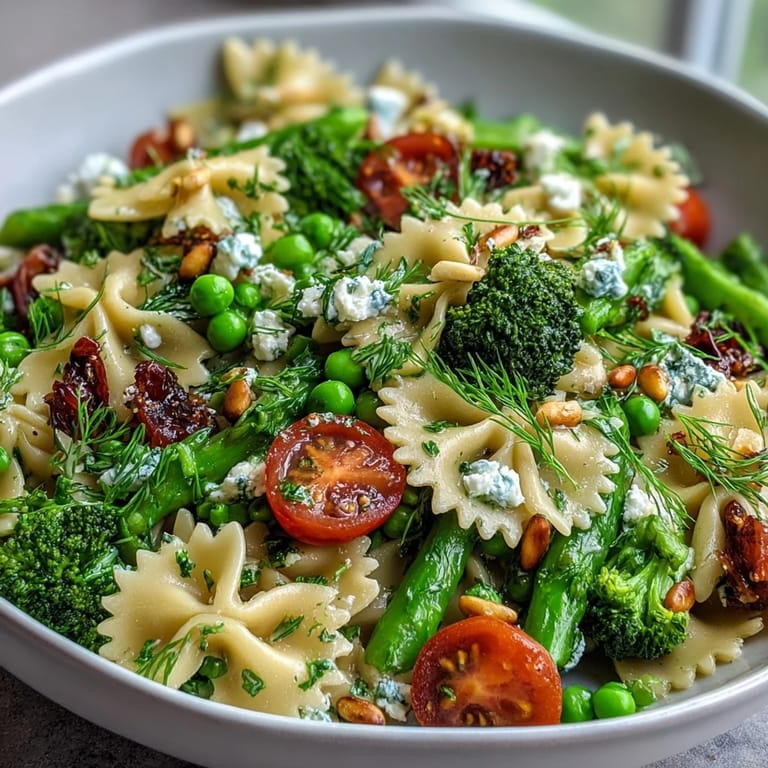
- Transfer the salad to a serving platter or bowl and top with crumbled feta cheese and toasted pine nuts if you're using them. You can serve it immediately while the pasta is still slightly warm, or cover it and refrigerate for up to four hours so the flavors meld together—honestly, it's even better after sitting for a couple of hours.
 Save
Save Years later, my neighbor still brings this to gatherings, and she tells people it's my recipe even though I've tried to convince her it's just pasta salad. But that's the thing about food that works—it becomes something beyond the sum of its parts, a small bridge between people at a table, which is honestly why anyone cooks anything.
Why Fresh Herbs Make All The Difference
There's a moment when you add the fresh dill and parsley to the dressing where the whole thing suddenly smells alive and summery in a way no bottled version could ever achieve. Dried herbs taste like dust by comparison, and while I understand the appeal of reaching for something that lasts longer in the cupboard, this is genuinely one of those times when the fresh version is worth the tiny extra effort. If you can only find one of the two herbs, dill is the more essential one here because it has a particular affinity with lemon and cucumber that makes everything taste bright.
The Secret Of Making It Ahead
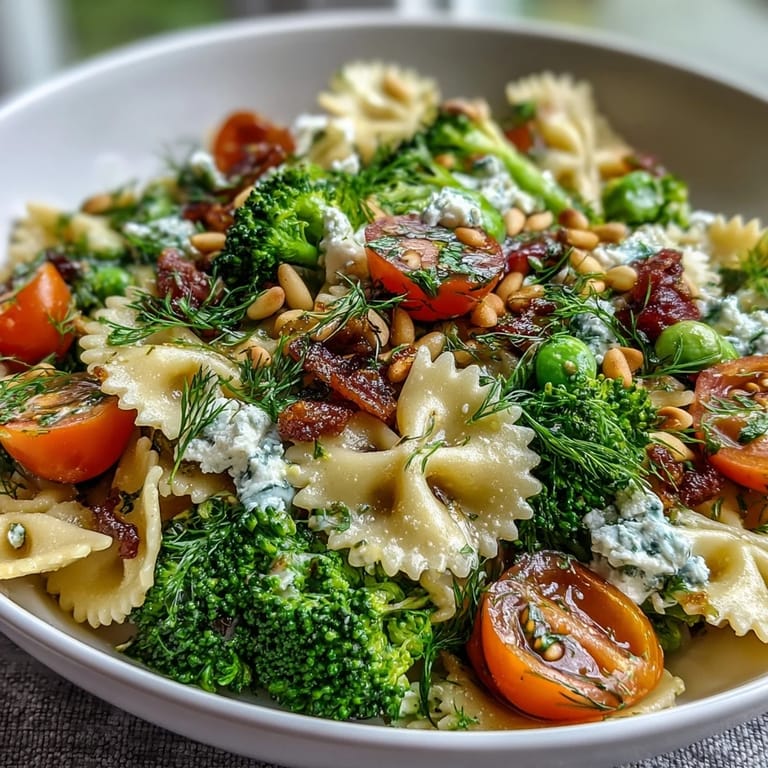
The first time I made this for an actual event rather than just a family dinner, I prepared it the night before because I thought it would buy me time in the morning. I was shocked to discover it actually tasted better after sitting overnight, like the pasta had absorbed the dressing properly instead of just being coated with it. This is unusual in the pasta salad world, where most versions get watery and sad as they sit, but the combination of acidic dressing, firm vegetables, and the way the flavors blend overnight actually works in your favor here.
Making It Your Own Without Losing The Point
The beauty of this salad is that it's flexible enough to work with whatever looks good at the market or whatever you have already in the crisper drawer, but there's a reason the base vegetables work the way they do—they're not competing for attention, they're creating a balance of textures and flavors that feel intentional. You can absolutely swap in snap peas for regular peas, or add some diced radishes for extra crunch, or throw in some blanched asparagus if that's what's calling to you, but if you change too much at once it stops being this particular dish and becomes something else entirely. The dressing will work with almost any fresh vegetable you add, as long as you keep the lemon-herb flavor as your North Star and remember that the pasta is meant to be the supporting actor, not the star.
- If you're doubling the recipe, make extra dressing because it tends to get absorbed more than you'd expect as it sits.
- Toasted pine nuts can be replaced with sunflower seeds or walnuts if that's what you have or if pine nuts are too expensive for your mood that day.
- Leftover salad keeps for about four hours, and while it's still delicious beyond that point, the vegetables start to soften and the pasta gets increasingly soft, so plan to eat it relatively fresh.
 Save
Save This is the kind of dish that quietly proves something important: that simple food made with good ingredients and a little attention tastes better than anything fancy and complicated ever could. Make it once, and I bet you'll find yourself making it again.
Recipe Guide
- → Can I use gluten-free pasta in this dish?
Yes, gluten-free pasta works well and keeps the dish suitable for gluten-sensitive diets.
- → Is it possible to prepare this salad in advance?
You can prepare and refrigerate it for up to 4 hours to allow flavors to develop but avoid leaving it overnight to maintain freshness.
- → What can I substitute for feta cheese to keep it vegan?
Omit the feta or use plant-based cheese alternatives to maintain a vegan-friendly version.
- → How do I prevent the vegetables from overcooking?
Adding broccoli and peas during the last 2 minutes of pasta cooking ensures they remain crisp and retain their bright color.
- → What wine pairs well with this pasta dish?
A crisp Sauvignon Blanc complements the fresh, zesty flavors beautifully.