 Save
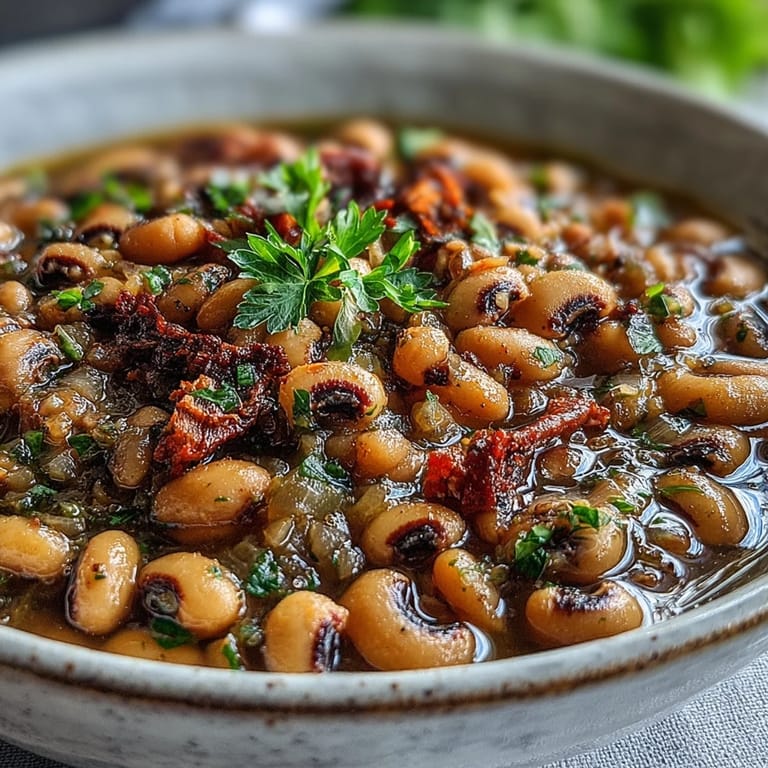
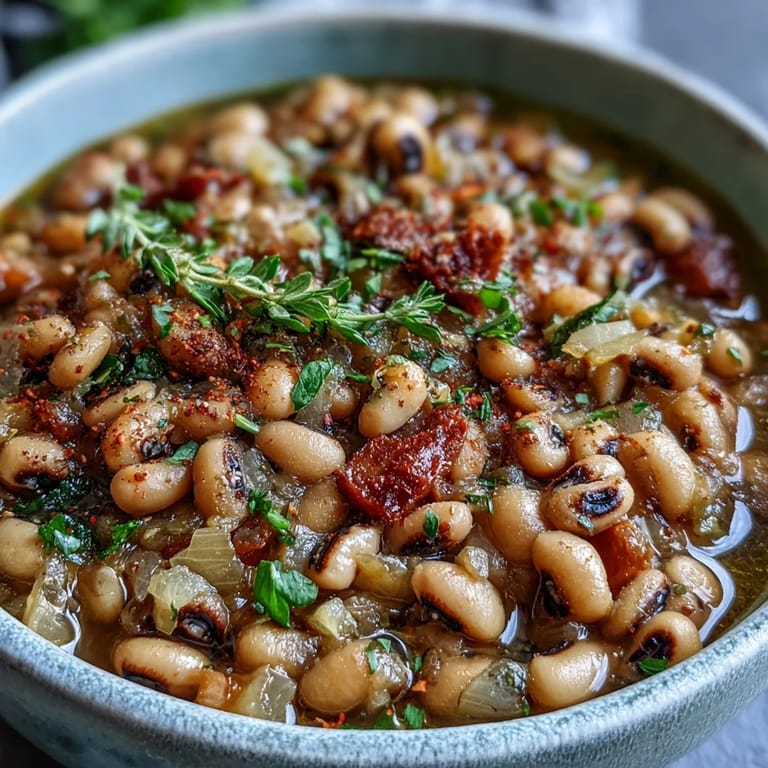
Save There's something about the smell of garlic hitting hot oil that makes you feel like you're actually cooking, even when you're just throwing together a weeknight side dish. My neighbor stopped by one evening while I had this simmering, and within minutes she was asking what smelled so good—it was just black-eyed peas, but somehow the smoked paprika and thyme transformed them into something that felt far more intentional than the fifteen minutes it actually took. That's when I realized this quick version wasn't a shortcut at all; it was just the recipe knowing exactly what it needed to say.
I made this the day before Thanksgiving when my sister called saying she'd be bringing her boyfriend, and I suddenly needed another side dish that wouldn't crowd my oven. Twenty-five minutes later, it was done and tasted like the kind of thing that belongs at a proper table, even though I'd made it in a single pot while standing in my slippers. He asked for the recipe, which felt like a small victory.
Ingredients
- Frozen black-eyed peas: Two cups of frozen (or two cans, drained) means you're never waiting or planning—they cook straight into tenderness, and honestly, they taste fresher than you'd expect.
- Olive oil: Just a tablespoon is enough to carry the aromatics without making this feel heavy.
- Small onion, finely chopped: The foundation of flavor—chopping it small means it disappears into the broth instead of sitting around like an afterthought.
- Garlic cloves, minced: Two cloves adds warmth without overpowering; mince them small so they distribute evenly and cook through in seconds.
- Vegetable or chicken broth: One and a half cups is the magic number—enough to cook the peas and leave them bathed in flavor, but not soupy.
- Smoked paprika: Half a teaspoon of this is the secret handshake that makes people think you know what you're doing.
- Dried thyme: Half a teaspoon adds an earthy note that ties everything together without any fuss.
- Black pepper and salt: Start with a quarter teaspoon pepper and half teaspoon salt, then taste—you might want more, and that's okay.
- Bay leaf: One leaf steeps the whole pot, then gets removed before serving; it's a small gesture that adds depth.
- Diced tomatoes: Optional, but half a cup of canned or fresh adds brightness and keeps the dish from feeling one-note.
- Cayenne pepper: A quarter teaspoon if you want heat; start small, taste, then add more if your crowd likes it warm.
- Fresh parsley: Two tablespoons chopped at the end brightens everything up and makes it look finished.
Tired of Takeout? 🥡
Get 10 meals you can make faster than delivery arrives. Seriously.
One email. No spam. Unsubscribe anytime.
Instructions
- Start with heat and patience:
- Pour the olive oil into your medium saucepan and let it shimmer over medium heat—you'll know it's ready when it moves like liquid silk. Add the chopped onion and let it soften for three to four minutes, stirring occasionally; it should turn translucent and smell sweet rather than sharp.
- Invite the garlic in:
- Once the onion is soft, add your minced garlic and stir constantly for just thirty seconds—you want it fragrant and bloomed, not browned or bitter. This quick moment makes all the difference in what people taste when they eat this.
- Bring everything together:
- Dump in your black-eyed peas, broth, smoked paprika, thyme, black pepper, salt, bay leaf, and tomatoes if you're using them. Stir well so the spices aren't sitting in clumps, then turn up the heat just enough to get the liquid moving.
- Simmer and let it meld:
- Once the whole thing reaches a gentle simmer, cover it and turn the heat down—you're aiming for a soft, steady bubble, not an aggressive boil. Stir every few minutes and let it cook for fifteen to eighteen minutes; the peas will become completely tender and the flavors will stop shouting at each other and start harmonizing.
- Taste and adjust:
- After the timer goes off, fish out the bay leaf with a spoon and discard it, then take a taste. Add more salt, pepper, or even a pinch of that cayenne if it needs something to wake it up.
- Finish with grace:
- Sprinkle fresh parsley over the top just before serving if you want it to feel intentional and bright. The green makes people believe you've been cooking all day.
 Save
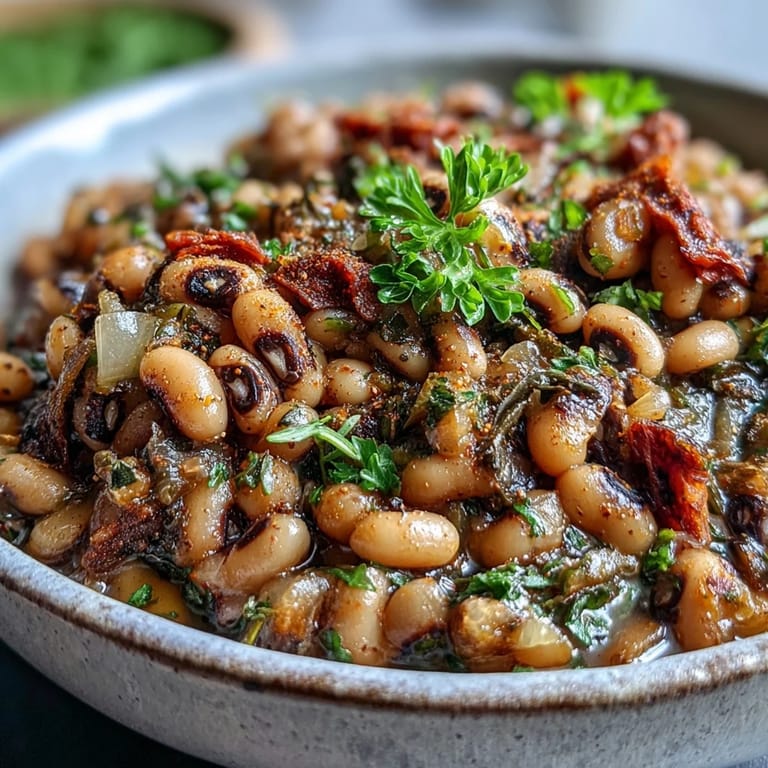
Save My son came home from school in one of those moods, and I pressed a bowl of this into his hands without comment while standing at the stove. By the time he'd finished, the sullenness had melted into something quieter, and he asked if I'd make it again next week. That's when I understood that sometimes the best recipes aren't the ones that impress; they're the ones that hold you steady.
When to Reach for This Dish
This is the recipe for Tuesday nights when you've forgotten to plan dinner, for potlucks where you need something warm and honest, for those moments when you want to feed people but don't have the bandwidth for anything complicated. It's also perfect over rice, next to cornbread, or even cold the next day straight from the fridge if you're standing at the counter in a rush. The flexibility is part of its charm.
Small Variations That Shift the Whole Thing
A diced bell pepper sautéed with the onion adds sweetness and color without changing the cooking time. Crumbled bacon stirred in at the end turns this into something that feels indulgent, while diced ham mixed in from the beginning makes it heartier and slightly spicy if you use the smoked kind. Fresh cilantro instead of parsley gives it a completely different personality, one that plays well with extra lime juice squeezed in right before eating.
Making It Your Own
The beauty of this recipe is that it doesn't mind changes—it's built sturdy enough to handle them. I've made it with smoked garlic, with extra cumin, with a dash of hot sauce; each time it still tastes like itself but also like whoever's cooking it. The foundation is there, but the final dish is always a conversation between the recipe and your own kitchen instincts.
- Don't be afraid to add a quarter teaspoon of cumin if you want earthiness that makes people wonder what you did.
- A squeeze of fresh lemon juice right before serving wakes everything up without changing the texture or timing.
- Leftovers reheat beautifully, and they actually taste better the next day when all the flavors have had time to get to know each other.
 Save
Save This recipe taught me that sometimes the best meals are the ones that don't require you to prove anything. Make it for people you love, watch it disappear, and let that be enough.
Recipe Guide
- → Do I need to soak frozen black-eyed peas before cooking?
No soaking required. Frozen black-eyed peas are already blanched and cook through completely in about 15-18 minutes of simmering. Canned peas work equally well—just drain and rinse before adding to the pot.
- → Can I make this dish ahead of time?
Absolutely. These peas actually develop deeper flavor when made ahead. Store in the refrigerator for up to 4 days and reheat gently on the stovetop, adding a splash of broth if needed to loosen the consistency.
- → What makes this Southern-style?
The combination of smoked paprika, thyme, and bay leaf creates that classic Southern flavor profile. The dish traditionally pairs with cornbread or rice, and optional additions like ham hocks or bacon reflect its Southern roots.
- → How do I add more protein to this dish?
Stir in diced cooked ham, bacon, or sausage during the last 10 minutes of cooking. For vegetarian protein, add cubed sweet potatoes or serve alongside grilled chicken or tofu. You can also mix in cooked rice directly.
- → What if my peas are too thick?
Simply add more warm broth or water, ¼ cup at a time, until you reach your desired consistency. The peas will continue absorbing liquid as they sit, so you may need to thin leftovers when reheating.
- → Can I freeze these black-eyed peas?
Yes, they freeze beautifully. Cool completely, transfer to airtight containers or freezer bags, and freeze for up to 3 months. Thaw overnight in the refrigerator and reheat with a splash of added broth.