 Save
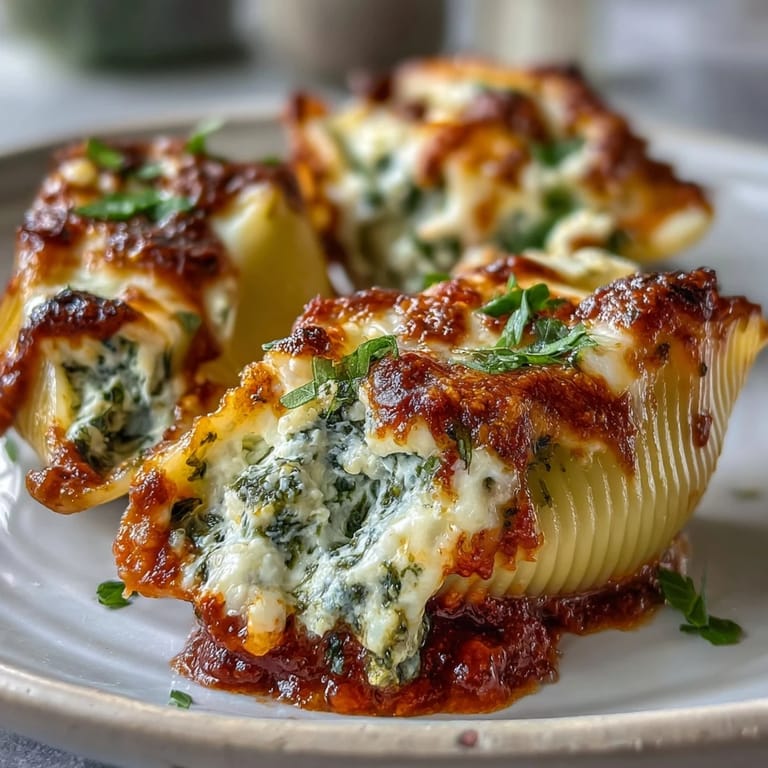
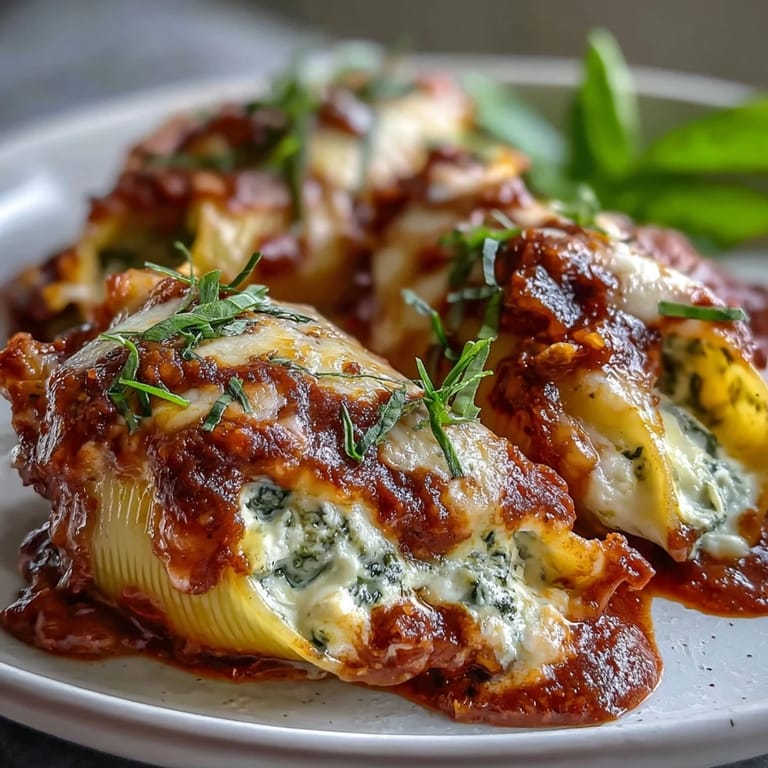
Save My sister called me in a panic one Tuesday evening—she'd promised to bring something impressive to a potluck and had exactly two hours to make it happen. I walked her through stuffing jumbo pasta shells with creamy ricotta while she had the pesto chicken simmering on the stove, and watching her confidence grow as those golden shells lined up in the baking dish was honestly better than any compliment about the food itself. That night, those pesto lasagna stuffed shells became her signature dish, and now she makes them whenever she needs to feel like a kitchen wizard.
I made this for my neighbor's family dinner last spring, and her eight-year-old asked for the recipe before even finishing his plate—that kind of honest moment when a dish crosses over from nice to genuinely loved. The whole kitchen smelled like fresh basil and melted cheese, and there was something almost magical about how everyone gathered around the table without being called, drawn in by the aroma alone.
Ingredients
- Jumbo pasta shells (20 shells): These larger vessels hold way more filling than regular shells, so each bite feels substantial and rewarding; cook them just shy of fully tender since they'll soften more in the oven.
- Ricotta cheese (1 ½ cups): The creamy foundation that makes each shell tender and luxurious, though some people swear by a ricotta and cream cheese blend for extra richness.
- Parmesan cheese (¾ cup grated): This brings a sharp, salty depth that prevents the filling from tasting one-dimensional.
- Large egg (1): Acts as a gentle binder to hold everything together without making the filling dense or heavy.
- Shredded mozzarella (1 cup plus ½ cup for topping): The first cup goes into the filling for that classic lasagna texture, while the top layer melts into golden, bubbly perfection.
- Salt and black pepper (½ teaspoon and ¼ teaspoon): Season deliberately here because the cheese will carry these flavors throughout.
- Dried Italian herbs (½ teaspoon optional): A small amount adds subtle earthiness without overpowering the fresh pesto.
- Cooked chicken breast (2 cups shredded): Rotisserie chicken is your friend here if you're short on time; the meat should be tender enough to tear apart with a spoon.
- Basil pesto (⅓ cup): This is where the magic happens—homemade tastes brighter, but a quality store-bought version works beautifully when life gets busy.
- Marinara sauce (2 cups): The backbone that brings everything together; a jar of your favorite brand is perfectly respectable.
- Fresh basil leaves (optional garnish): A handful scattered on top right before serving reminds everyone that this isn't just comfort food, it's thoughtfully made.
Tired of Takeout? 🥡
Get 10 meals you can make faster than delivery arrives. Seriously.
One email. No spam. Unsubscribe anytime.
Instructions
- Get your oven ready and prep the stage:
- Preheat to 375°F and lightly grease your 9x13-inch baking dish—a quick coating prevents sticking and makes cleanup easier later.
- Cook the shells with care:
- Boil the jumbo shells in salted water following the package timing, but pull them out just a minute or two before they seem fully done since they'll continue softening in the oven. Drain them gently and let them cool enough to handle; a slightly firm shell is easier to fill without tearing.
- Build the creamy filling:
- Combine ricotta, Parmesan, egg, mozzarella, salt, pepper, and Italian herbs in a bowl, mixing until smooth and lump-free. This filling is the soft, comforting heart of every shell.
- Marry the chicken with pesto:
- In a separate bowl, toss your cooked chicken with pesto until every piece glistens with that gorgeous green coating. The pesto should coat evenly, so don't be shy with it.
- Lay the flavor foundation:
- Spread 1 cup of marinara across the bottom of the baking dish—this prevents sticking and ensures every shell sits in a little sauce.
- Stuff with precision and care:
- Place about 1 tablespoon of ricotta filling inside each shell, then top with a generous spoonful of pesto chicken, and nestle them into the sauce seam-side up. This visual arrangement makes plating feel intentional.
- Top and seal for the oven:
- Pour the remaining marinara over the shells and sprinkle with the reserved ½ cup mozzarella, then cover tightly with foil to trap steam.
- Bake in two phases:
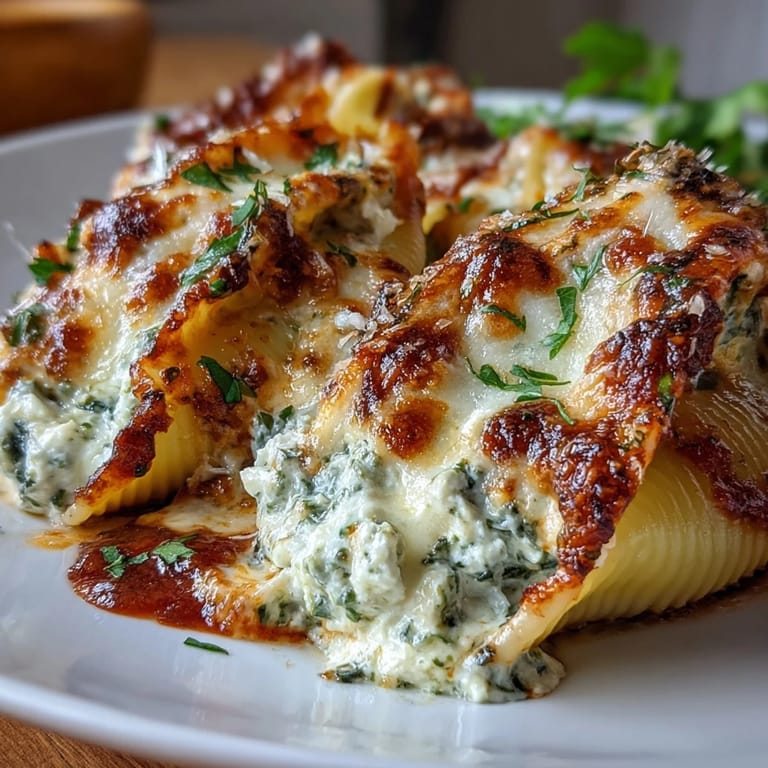
- First 25 minutes covered keeps everything moist and tender, then 10 minutes uncovered allows the cheese on top to bubble and turn golden. You'll hear it sizzle when it's ready.
- Rest and finish:
- Let everything sit for 5 minutes before serving—this brief pause lets the cheese set slightly and the flavors settle into each other. Top with fresh basil if you have it, because that brightness is the final flourish.
 Save
Save 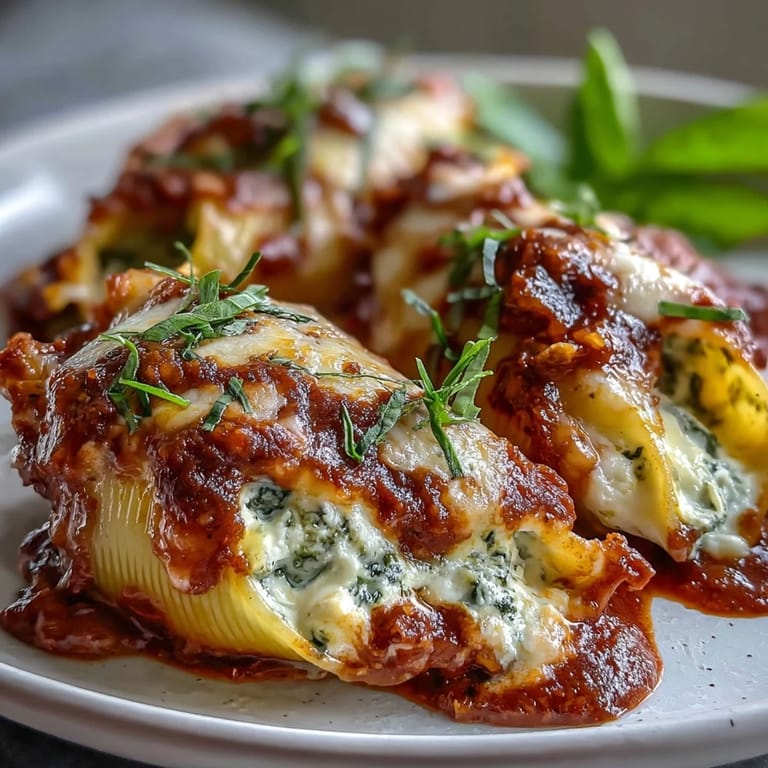 Save
Save There's something about watching a pan of these shells bubble in the oven that makes you feel genuinely proud of cooking, even though the actual process was straightforward. When my kitchen fills with that fragrance of melted cheese and basil, I remember exactly why I love making this dish—it's honest, it's generous, and it always brings people together.
The Beauty of Flexible Proteins
While this recipe shines with pesto chicken, I've adapted it dozens of ways depending on what's in my fridge and who I'm feeding. Rotisserie chicken from the grocery store is genuinely a game-changer on busy nights—the meat pulls apart at a touch and tastes like you simmered it for hours. Ground turkey mixed with pesto works beautifully if you want something leaner, and shrimp tossed in pesto creates an entirely different celebration of flavors that feels almost elegant enough for a dinner party.
Making It Your Own
The moment you feel confident with the basic formula, tiny changes unlock new dimensions—I've learned this through happy accidents and occasional miscalculations. A handful of fresh spinach stirred into the ricotta mixture adds earthiness and subtle nutrition, while a splash of the pasta cooking water in the ricotta makes the filling impossibly creamy. Some cooks add a pinch of nutmeg to their filling, which sounds strange until you taste how it softens everything and adds a whisper of complexity you can't quite name.
Pairing and Serving Suggestions
These shells deserve accompaniments that complement rather than compete with their flavors, so I've learned what actually works through trial and honest feedback. A crisp salad with lemon vinaigrette cuts through the richness perfectly, and a chilled glass of Pinot Grigio feels like the restaurant version of this homey dish. Garlic bread on the side is tempting but honestly unnecessary—let the shells be the star, and let everything else support that moment.
- A fresh green salad with simple lemon vinaigrette balances the richness beautifully.
- Pair with Pinot Grigio or a light white wine that won't overpower the pesto.
- Fresh crusty bread is enough—save yourself the extra carbs and let the shells shine.
 Save
Save  Save
Save This dish has quietly become one of my most reliable ways to make people feel cared for through food, and that's really all any recipe should aspire to do. Make it, share it, and watch it become someone else's Tuesday-night triumph.
Recipe Guide
- → Can I make these stuffed shells ahead of time?
Yes, assemble the shells up to 24 hours ahead and refrigerate. Add 5-10 minutes to baking time if baking cold from the refrigerator.
- → What can I use instead of ricotta cheese?
Cottage cheese blended until smooth works well as a substitute. You can also use a mascarpone and Parmesan mixture for extra creaminess.
- → How do I make this vegetarian?
Simply omit the chicken. Add sautéed spinach, mushrooms, or roasted vegetables to the pesto mixture for flavor and texture.
- → Can I freeze pesto stuffed shells?
Assemble the dish, cover tightly with foil and freeze for up to 3 months. Thaw overnight in the refrigerator before baking as directed.
- → What type of pesto works best?
Traditional basil pesto works beautifully. For variety, try sun-dried tomato pesto or spinach-walnut pesto. If making homemade, use fresh basil and good quality olive oil.
- → How do I prevent shells from tearing?
Cook pasta until just al dente—slightly undercooked is better than overcooked. Handle gently when filling and let them cool slightly before stuffing.