 Save
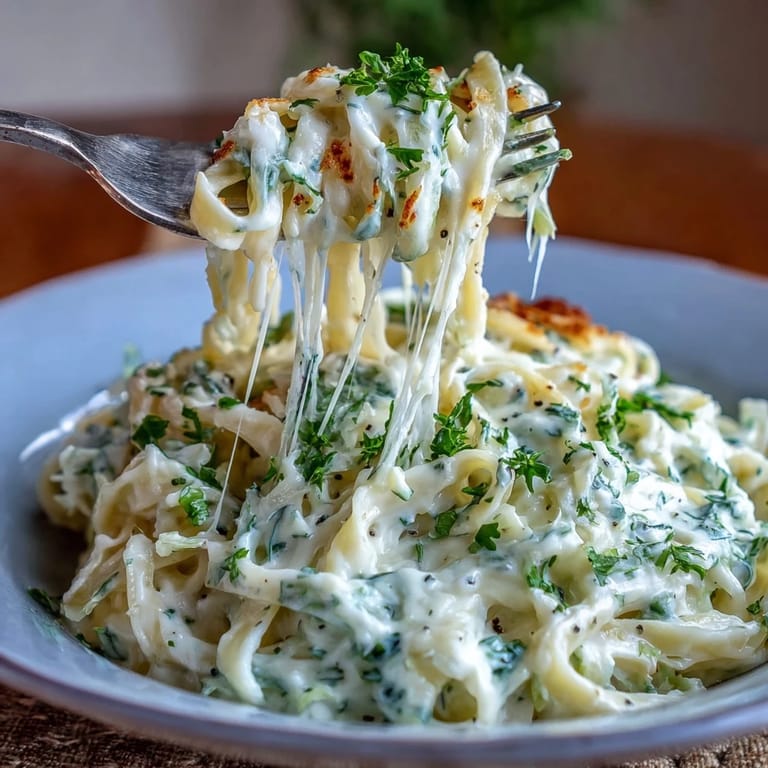
Save The sound of fettuccine hissing in a bubbling pot always makes me feel like something decadent is just minutes away, but the first time I tossed shredded cabbage into the mix, the kitchen filled with a surprising sweetness. That fresh, bright scent mingling with creamy sauce made me pause—could this simple green vegetable really belong in Alfredo? I was doubtful at first, but curiosity (and an overzealous farmers market haul) nudged me forward. Watching the ribbons of cabbage wilt next to swirls of pasta, I felt a satisfying shift—sometimes the best ideas come from using what’s right in front of you. The result was comfort food with a clever twist: Creamy Cabbage Alfredo.
I made this for a weekday dinner when my partner strolled in late from work, weary and hungry. There's something quietly joyful about watching someone perk up at their first forkful—especially when they weren't expecting it. He asked what made it taste different, then went back for more before I finished my answer. Even our leftovers disappeared by lunch the next day. This recipe has taken the pressure off fancy dinners without losing any of the pleasure.
Ingredients
- Fettuccine: Go for a sturdy pasta like fettuccine so the sauce clings; don't forget to salt the water generously for real depth.
- Green cabbage: Finely shred it for tenderness—thicker shreds stay chewy—plus it gently sweetens as it cooks.
- Unsalted butter: Choose unsalted so you control the flavor; let it melt fully before adding anything else for even cooking.
- Garlic: Mince it finely for subtle warmth; watch closely, as it burns fast and can turn bitter.
- Heavy cream: The backbone of the sauce; warming it gently keeps it from splitting.
- Parmesan cheese: Grate fresh if you can—it melts beautifully and packs more punch than pre-grated.
- Cream cheese: Softened cream cheese guarantees a velvety texture and a slight tang that brightens the sauce.
- Salt: Taste as you go, especially since Parmesan is already salty.
- Black pepper: A little fresh grind goes a long way here: don't skip it.
- Nutmeg: Just a pinch is all you need—too much can overpower, but it gives that classic Alfredo hint.
- Parsley: Chop just before serving for a fresh, grassy lift and a pretty touch of green.
- Extra Parmesan: Essential for finishing; who could resist one last shower of cheese?
Tired of Takeout? 🥡
Get 10 meals you can make faster than delivery arrives. Seriously.
One email. No spam. Unsubscribe anytime.
Instructions
- Boil the Pasta:
- Bring a large, salted pot of water to a rolling boil. Cook fettuccine until al dente, saving half a cup of the pasta water before draining.
- Sauté Aromatics:
- In a deep skillet, melt the butter over medium heat until it smells toasty. Stir in the garlic and let it sizzle until just fragrant.
- Cook the Cabbage:
- Tumble in the shredded cabbage and toss; listen for that sizzle. Cook, stirring often, until it softens and caramelizes at the edges, about 6–8 minutes.
- Start the Sauce:
- Lower the heat, then add heavy cream and dollops of cream cheese. Stir slowly as the cream cheese melts and blends smoothly into the cream.
- Add Cheese and Seasonings:
- Swirl in the Parmesan, salt, pepper, and a touch of nutmeg. Give it a gentle simmer until slightly thickened and glossy.
- Combine Pasta and Sauce:
- Add the drained fettuccine straight into the skillet. Toss together, splashing in reserved pasta water as needed to get everything perfectly coated and silky.
- Finish and Serve:
- Taste, adjust seasonings if needed, and plate the pasta. Shower with parsley and extra Parmesan, then serve right away.
 Save
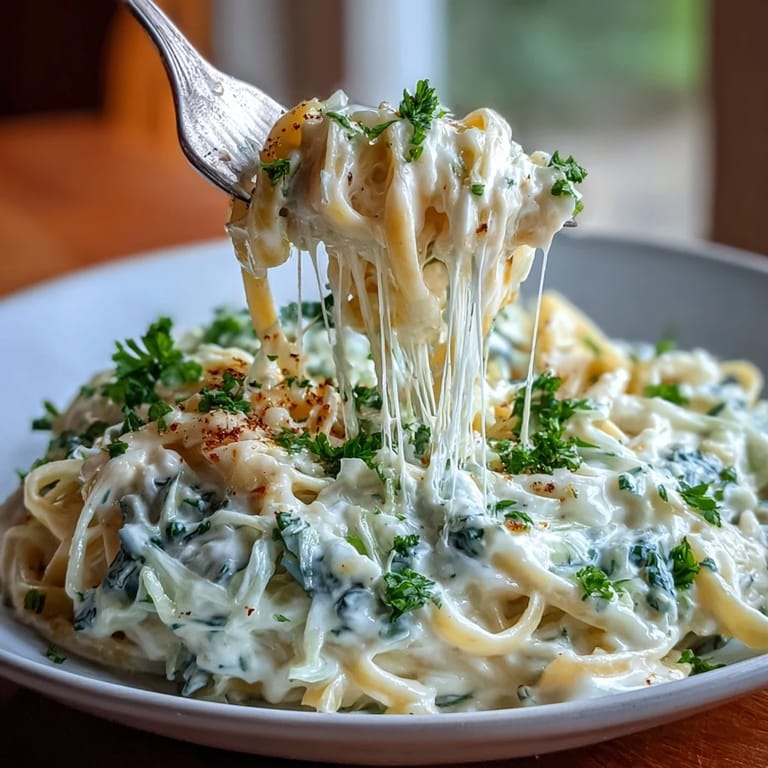
Save One dinner, my neighbor dropped by unexpectedly, drawn in by the buttery aroma wafting down the hall. We pulled up a chair, split the pasta, and spent the evening sharing stories over empty plates. It was a small reminder that a humble dinner, cooked with a bit of heart, can turn strangers into friends. Dishes like this are as much about the company as the taste.
The Secret to Perfectly Creamy Sauce
Resist turning up the heat once the cream goes in—patience means the sauce stays satiny and never splits. Stir continuously, scraping the bottom of the pan so nothing scorches. I've found that room-temperature cream cheese melts into the cream much faster, and the finished sauce clings to every bite of pasta.
Making the Most of Cabbage
Not all cabbage is created equal for this recipe: look for one that feels heavy for its size with tight, crisp leaves. If you've ever had a watery Alfredo, properly drying the cabbage after shredding makes a big difference. Watching the fine threads soften and sweeten in the pan is half the fun—I always taste a strand before the sauce goes in for good measure.
Serving and Leftover Tips I Swear By
This dish shines brightest straight from the skillet, with sauce still glossy and cabbage at its most tender. If you do have leftovers, warm them gently with a splash more cream or water—never in the microwave, which can dry everything out.
- Store leftovers in a shallow container for even cooling.
- Don't forget to re-season after reheating.
- Leftover cabbage Alfredo makes a surprisingly good lunch sandwich filling, too.
 Save
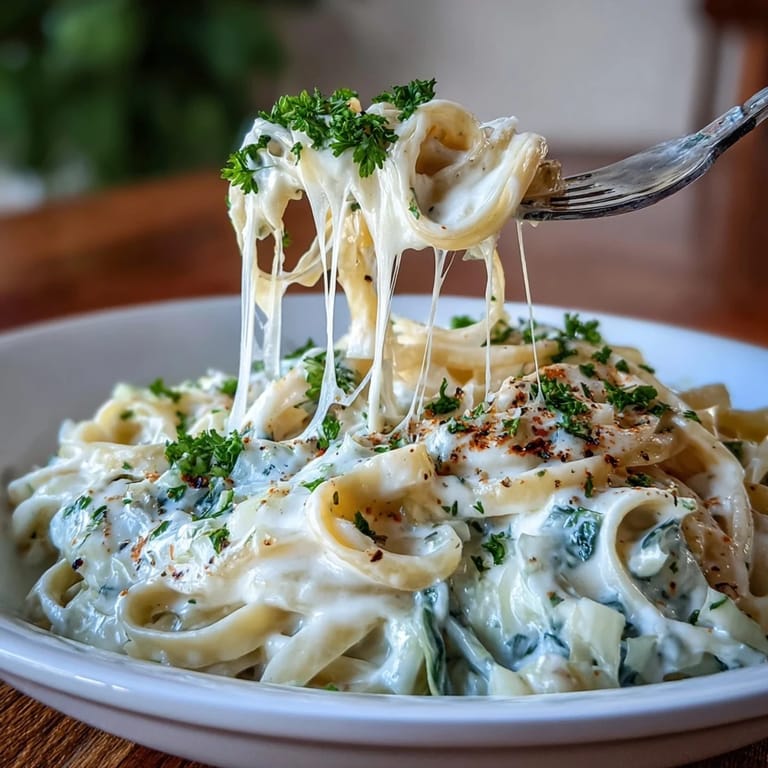
Save Every bowl of Creamy Cabbage Alfredo I make reminds me that comfort food can still surprise you. Here's to sharing a little unexpected joy, one pot at a time.
Recipe Guide
- → Can I use other pasta shapes?
Yes—tagliatelle, linguine, or pappardelle all work. Choose long ribbons to hold the creamy sauce; shorter shapes will also work but require less tossing time.
- → How do I prevent a watery sauce?
Cook the cabbage until lightly caramelized to remove moisture, and reserve only a small amount of starchy pasta water. Simmer the cream mixture to thicken before combining with the pasta.
- → Can I lighten the sauce?
Swap heavy cream for half-and-half or whole milk and reduce the cream cheese. Stir gently and finish with extra Parmesan for body without excess fat.
- → Best way to caramelize the cabbage?
Use medium heat and stir often until edges brown, about 6–8 minutes. A wide skillet and a knob of butter help develop color and sweet flavor without burning.
- → How much pasta water should I add?
Add reserved pasta water a splash at a time—start with 2 tablespoons and increase as needed to loosen the sauce; the starch helps bind sauce to the noodles.
- → How should leftovers be stored and reheated?
Cool quickly and refrigerate in an airtight container for up to 3 days. Reheat gently over low heat or in a skillet with a splash of milk or pasta water, stirring to revive the sauce.