 Save
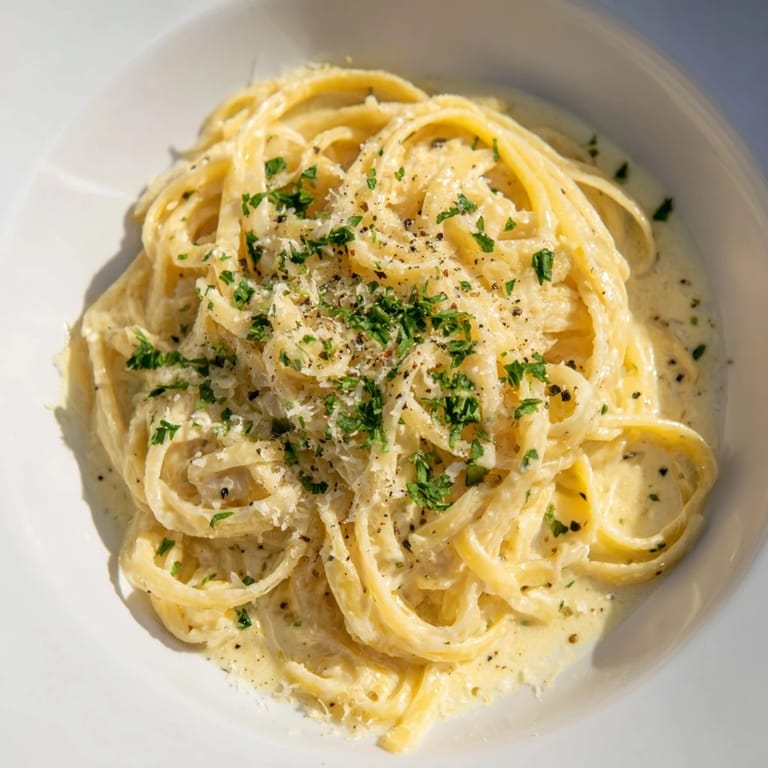
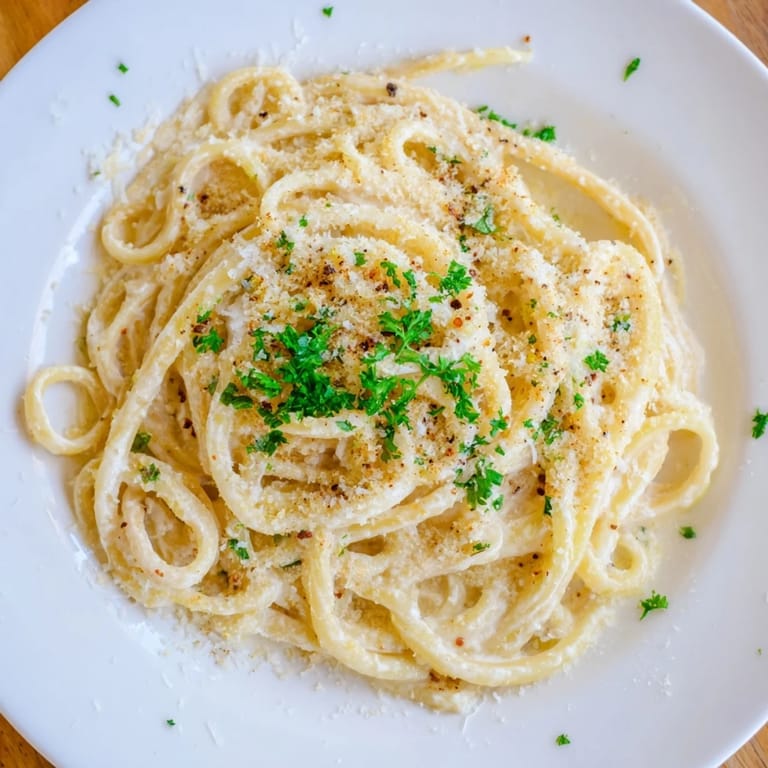
Save A midweek dinner revelation happened purely by accident when I opened my fridge to find Greek yogurt staring back at me and nothing else that seemed promising. Instead of reaching for cream, I whisked that tangy yogurt with lemon and garlic, and suddenly I had something brighter and lighter than I'd ever made before. The pasta came together in under twenty-five minutes, and my kitchen smelled like a Mediterranean coast I'd only read about in travel magazines. That night, I realized that the best dishes aren't always the complicated ones—sometimes they're just about knowing when to trust simple, quality ingredients.
I made this for a friend who'd just moved to the city and was exhausted from unpacking boxes, and I watched her face the moment she tasted it—that kind of quiet relief when you realize you don't need to order takeout, that something homemade can feel this effortless. We sat at her kitchen counter with a glass of white wine, and she kept asking how I made it taste so fresh, like I'd somehow bottled sunshine. I've made it at least once a week since, and it's become the dish I turn to when I want to feel like I'm cooking something thoughtful without the stress.
Ingredients
- Dried pasta (340 g): Spaghetti, linguine, or penne all work beautifully—choose whatever shape you naturally reach for, and don't skip reserving that pasta water, because it's your secret weapon for getting the sauce to the perfect silky consistency.
- Olive oil (1 tablespoon): Use good oil here since it's a core flavor, and it gently blooms the garlic without needing any butter.
- Garlic cloves (4, finely minced): Fresh garlic is non-negotiable; mince it fine so it melts into the sauce rather than sitting in chunks.
- Plain Greek yogurt (250 g): Full-fat tastes richer, but low-fat works too—the key is stirring it in gently over low heat so it doesn't split and separate.
- Lemon, zested and juiced (1 large): This is where the magic happens; the zest brings brightness while the juice adds acidity that makes every bite sing.
- Grated Parmesan cheese (40 g, plus extra): Don't use the pre-grated stuff if you can help it—freshly grated melts more smoothly and tastes infinitely better.
- Sea salt and black pepper: Taste as you go; the salt in the pasta water counts, so don't oversalt the sauce itself.
- Crushed red pepper flakes (1/4 teaspoon, optional): A whisper of heat makes the lemon and garlic stand out even more, though you can skip it if you prefer pure brightness.
- Fresh parsley (2 tablespoons, chopped): It's not just garnish—it adds a fresh, grassy note that completes the dish.
Tired of Takeout? 🥡
Get 10 meals you can make faster than delivery arrives. Seriously.
One email. No spam. Unsubscribe anytime.
Instructions
- Get the water boiling:
- Fill your pot generously and salt it well—the water should taste like the sea. This is your only chance to season the pasta itself, so don't be shy.
- Cook the pasta:
- Follow the package timing but aim for al dente, where it has a slight bite to it. Drain it in a colander, but before you discard that starchy water, pour off about half a cup and set it aside—you'll need it.
- Wake up the garlic:
- In your skillet over medium heat, warm the olive oil until it shimmers slightly, then add your minced garlic. Listen for that gentle sizzle and smell it transform within a minute or two, but pull back before it browns because burnt garlic tastes bitter and harsh.
- Build the sauce gently:
- Lower the heat to medium-low, then stir in the Greek yogurt slowly, followed by the lemon zest and juice, Parmesan, salt, pepper, and red pepper flakes if you're using them. Stir constantly and never let it bubble or boil, or the yogurt will separate and turn grainy.
- Bring it all together:
- Add your drained pasta to the skillet and toss gently, then start adding that reserved pasta water a splash at a time, stirring until the sauce coats each piece of pasta and looks silky rather than clumpy. You might not need all the water, so go slow and taste as you adjust.
- Finish and serve:
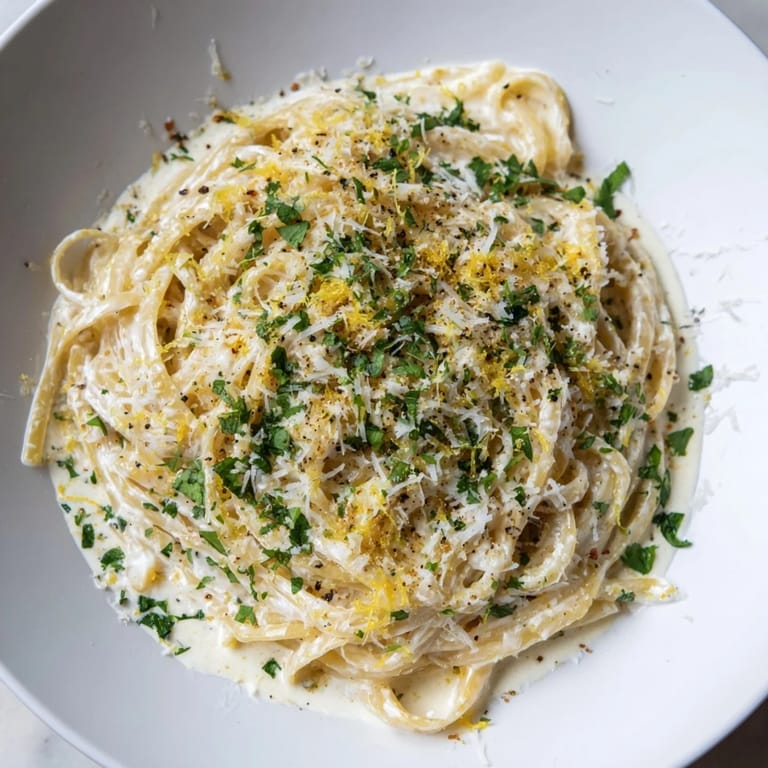
- Remove from heat immediately, divide into bowls, and top with fresh parsley, extra Parmesan, and thin lemon slices if you want to be fancy. Eat while it's still warm and the lemon scent is still rising from the bowl.
 Save
Save There's something about the moment when you toss the hot pasta with that creamy sauce and watch it go glossy and thick from the pasta water—it's the moment you realize why this works, why something this simple can taste so complete. I've been eating this version of comfort food for months now, and it never gets old because it always tastes bright and alive, never heavy or dull.
The Secret to Silky Sauce
The real difference between a sauce that clings to every strand and one that pools at the bottom of the bowl is all about patience with temperature and pasta water. I used to make yogurt sauces too thick, then panic when they didn't coat the pasta, so I'd add cream to rescue them. Now I start with less yogurt and let the pasta water do the work, watching it transform from thick to silky right in front of me. It's not magic—it's just understanding that starch and acid and gentle heat are a partnership, and when you respect each component, they honor you back.
Why This Beats Heavy Cream
Cream sauces linger on your tongue and coat your mouth, which can feel luxurious at the moment but leaves you uncomfortably full an hour later. This version satisfies that craving for richness and creaminess while staying light enough that you can actually taste the pasta, the lemon, the garlic—all the things you actually wanted to eat. I've served this to people expecting something restaurant-heavy, and they're surprised by how elegant and fresh it feels, how it manages to be both indulgent and bright at the same time.
Mix-Ins and Variations
The beauty of this sauce is how it welcomes additions without losing its character—a handful of fresh spinach wilts into it beautifully, roasted cherry tomatoes add sweetness and acidity, crispy pancetta or prosciutto brings salty depth. I've made it with grilled chicken, chickpeas for protein, even torn mozzarella for richness, and every version feels intentional rather than like I'm just throwing things at pasta. If you're cooking for someone with dietary restrictions, it adapts gracefully—use gluten-free pasta, dairy-free yogurt alternatives, and the spirit of the dish remains completely intact.
- Stir in fresh baby spinach, sun-dried tomatoes, or roasted red peppers for color and flavor without changing the technique.
- Top with crispy breadcrumbs mixed with olive oil and garlic for texture that contrasts the creamy sauce.
- A drizzle of good olive oil and a sprinkle of fleur de sel right before serving elevates it from weeknight dinner to something special.
 Save
Save This pasta has a way of making you feel like you've accomplished something in the kitchen without the usual scramble and stress. It's proof that the best meals are often the simplest ones, made with ingredients you genuinely care about and respect.
Recipe Guide
- → Can I use different types of pasta for this dish?
Yes, spaghetti, linguine, penne, or even whole wheat and legume-based pasta work well to hold the creamy sauce.
- → How do I prevent the sauce from curdling?
Keep the heat low when mixing the yogurt-based sauce and avoid boiling. Stir gently to maintain a smooth texture.
- → What can I add for extra protein?
Grilled chicken, chickpeas, or plant-based proteins complement the yogurt’s protein and enrich the dish.
- → Is there a substitute for Greek yogurt?
Skyr or labneh are excellent alternatives that retain the creamy tang and consistency.
- → Which wines pair well with this pasta?
Crisp white wines like Sauvignon Blanc or Pinot Grigio highlight the lemon and garlic flavors beautifully.