 Save
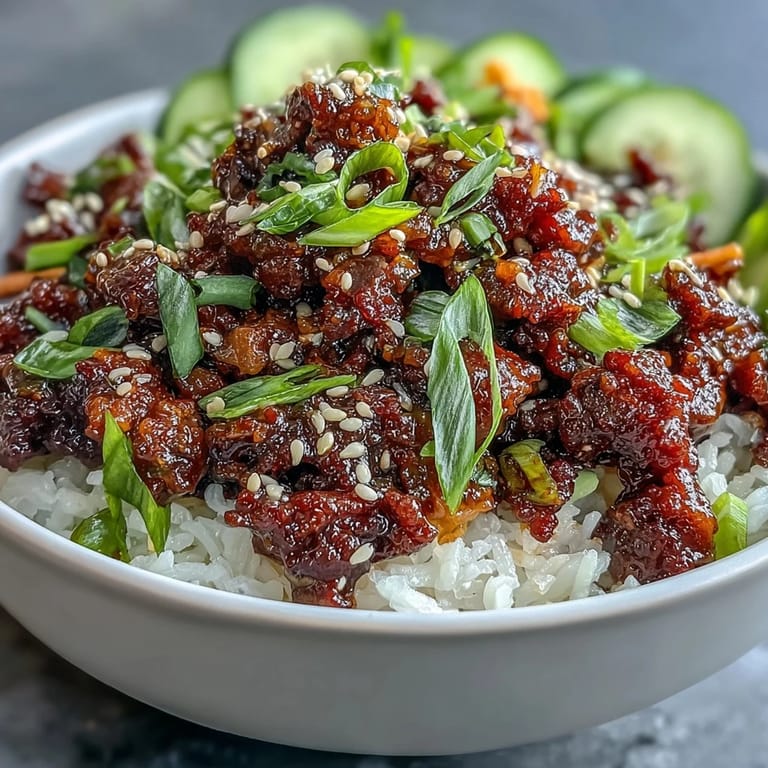
Save I used to think bulgogi was the only way to bring Korean flavors into a weeknight dinner until a friend tossed gochujang into ground beef one rushed Tuesday evening. The kitchen smelled like garlic, sesame, and something faintly sweet and spicy all at once. We assembled bowls in silence, too hungry to talk, and I realized this was the kind of meal that didnt need fancy cuts or hours of marinating. Sometimes the best recipes are born from impatience and a well stocked pantry.
The first time I made this for a group, I worried the gochujang would be too much for people unfamiliar with Korean flavors. Instead, everyone went quiet after the first bite, then immediately asked for seconds. One friend scraped her bowl clean and admitted she'd never thought ground beef could taste this bright. It became my go to whenever I wanted to feed a crowd without spending the whole evening over the stove.
Ingredients
- Lean ground beef: The base of the bowl, browned until slightly crispy at the edges so it soaks up the sauce without turning mushy.
- Gochujang: This fermented chili paste brings heat, sweetness, and umami all at once; start with less if youre heat shy and build from there.
- Soy sauce: Adds salty depth and helps the sauce cling to every bit of beef; use tamari if you need it gluten free.
- Brown sugar: Balances the spice and caramelizes slightly in the pan, creating little pockets of sweetness.
- Garlic and ginger: Freshly minced, these aromatics wake up the whole dish and fill your kitchen with that unmistakable savory warmth.
- Toasted sesame oil: Just a tablespoon transforms the flavor, adding nutty richness that ties everything together.
- Green onions: Sliced thin, half go into the beef for flavor and half on top for a fresh, sharp finish.
- Short grain rice: Sticky enough to hold the toppings but fluffy enough to soak up all the sauce, white or brown both work beautifully.
- Edamame: Adds protein and a pop of green; frozen works fine, just thaw and toss them in.
- Cucumber and carrot: Crisp, cool, and refreshing, they cut through the richness and add color to every bowl.
- Kimchi: Tangy, funky, and slightly spicy, it brings that authentic Korean punch; chop it so every bite gets a little.
- Toasted sesame seeds: A small sprinkle adds crunch and a final layer of nuttiness that makes the bowl feel complete.
Tired of Takeout? 🥡
Get 10 meals you can make faster than delivery arrives. Seriously.
One email. No spam. Unsubscribe anytime.
Instructions
- Bloom the aromatics:
- Heat the sesame oil in a large skillet over medium heat, then add the garlic and ginger. Let them sizzle for about a minute until your kitchen smells like a street market in Seoul.
- Brown the beef:
- Toss in the ground beef and break it up with a spatula, cooking until its browned and just starting to crisp at the edges, about five to six minutes. Dont rush this part; a little color means more flavor.
- Build the sauce:
- Stir in the gochujang, soy sauce, and brown sugar, mixing everything until the beef is coated and glossy. Let it cook for another two to three minutes so the sauce thickens and clings to every piece.
- Finish the beef:
- Pull the skillet off the heat and fold in half the sliced green onions. This keeps them bright and a little crunchy instead of wilted.
- Assemble the bowls:
- Divide the cooked rice among four bowls, then top each one with the beef, edamame, cucumber, carrot, and kimchi. Arrange them however you like; I usually go for sections so every spoonful is a little different.
- Garnish and serve:
- Scatter the remaining green onions and toasted sesame seeds over the top. Serve right away while the beef is still warm and the vegetables are crisp.
 Save
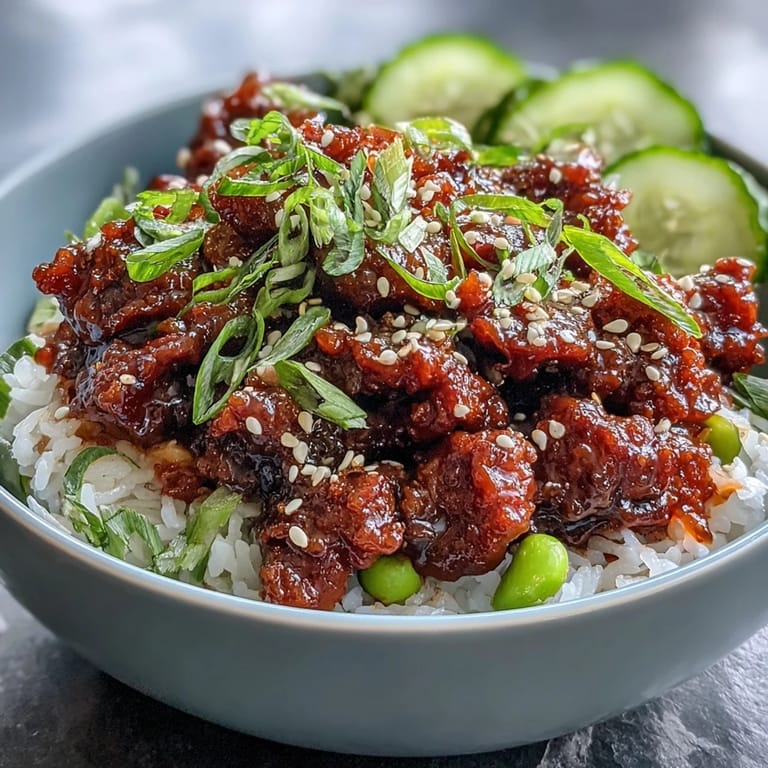
Save One night my neighbor wandered over just as I was pulling this together, drawn by the smell drifting through the open window. She stayed for dinner and admitted shed been intimidated by Korean cooking, thinking it required specialty skills or hard to find ingredients. By the time she finished her bowl, she was already planning her own version with ground turkey and extra kimchi. That moment reminded me how food becomes a bridge when you let people taste something new without pressure or fuss.
Customizing Your Bowl
This recipe is endlessly flexible, which is part of why it became a weekly staple in my house. Swap the ground beef for turkey, chicken, or even plant based crumbles if you want something lighter or vegetarian. Add a fried egg on top for extra richness and a runny yolk that turns into sauce when you break it. Toss in shredded cabbage, sliced radish, or whatever vegetables are sitting in your fridge; the base flavors are strong enough to handle almost anything you throw at them.
Storing and Reheating
Leftovers keep beautifully if you store the components separately. The beef stays flavorful in an airtight container for up to three days, and the vegetables remain crisp if you keep them apart from the rice. When youre ready to eat, reheat the beef gently in a skillet with a splash of water to loosen the sauce, then build a fresh bowl. I actually prefer leftover kimchi because it gets even tangier overnight, which balances the sweetness of the beef even better the second time around.
Serving Suggestions
While this bowl is a complete meal on its own, a few small additions can turn it into something special for guests. Serve it with a side of miso soup or a simple cucumber salad dressed with rice vinegar and a pinch of sugar. If youre feeding a crowd, set out extra toppings like pickled radish, nori strips, or gochugaru flakes so everyone can customize their bowl. I like to pour cold barley tea or sparkling water with a squeeze of lime to cut through the richness and keep the meal feeling light.
- Top with a fried or soft boiled egg for a creamy, luxurious finish.
- Serve alongside steamed bok choy or sauteed spinach for extra greens.
- Offer gochugaru or sriracha on the side for guests who want more heat.
 Save
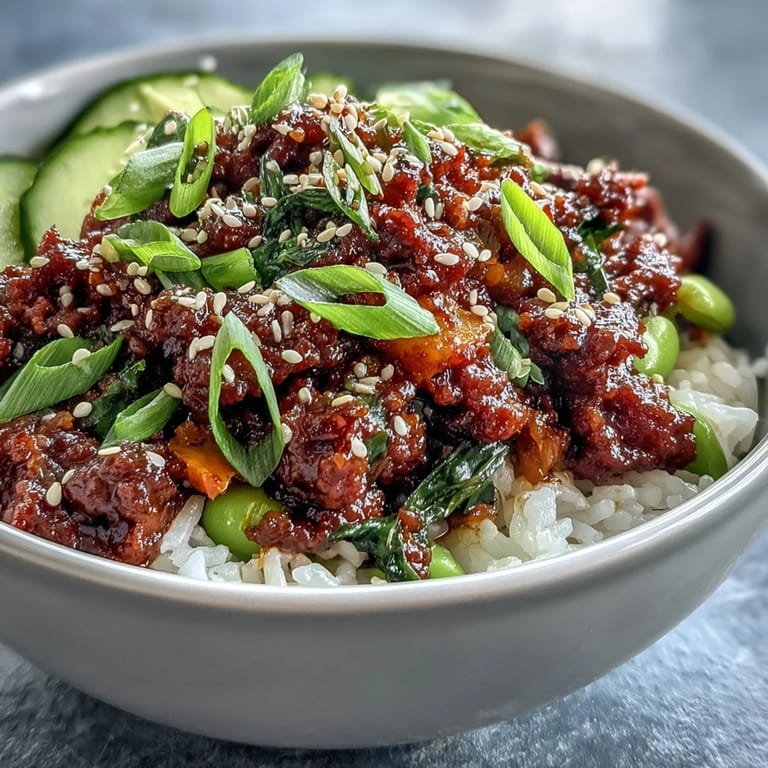
Save This bowl has become my answer to almost every weeknight dilemma, whether Im cooking for one or feeding a table full of friends. Its proof that bold flavors dont require complicated techniques, just good ingredients and a willingness to let them shine.
Recipe Guide
- → How spicy is this dish?
The heat level depends on your gochujang. Start with 2 tablespoons for moderate spice that most people enjoy. Add more for extra kick or less for a milder version suitable for children.
- → Can I make this ahead?
The seasoned beef stores beautifully for 3-4 days in the refrigerator. Cook fresh rice when ready to serve, or use meal-prepped rice. Keep toppings separate until assembling to maintain crunch.
- → What can I substitute for gochujang?
Sriracha mixed with a touch of miso paste works in a pinch. For authentic flavor, order gochujang online—it lasts months in the fridge and elevates countless dishes.
- → Is this suitable for meal prep?
Absolutely. Portion the cooked beef, rice, and vegetables into separate containers. Reheat the beef and rice, then add fresh toppings just before eating for the best texture.
- → Can I freeze the seasoned beef?
Yes! Cool the cooked beef completely, then freeze in airtight containers for up to 3 months. Thaw overnight in the refrigerator and reheat gently with a splash of water.
- → How do I make this gluten-free?
Replace regular soy sauce with gluten-free tamari. Check your gochujang label, as some brands contain wheat. Many brands now offer certified gluten-free versions.