 Save
Save I discovered lemon posset at a dinner party where someone served it in the most unexpected way—nestled inside actual lemon halves with a crackling sugar top that shattered under the spoon. The combination of silky cream meeting bright citrus hit me differently than any dessert I'd made before. What struck me was how elegant it looked, yet the technique felt approachable once I understood the magic: heat, acid, and patience. I went home that night determined to master it, and now it's become my favorite way to impress without spending hours in the kitchen.
I made this for my sister's birthday dinner last spring, and what I remember most wasn't the accolades (though there were plenty)—it was watching her face light up when she cracked through that brûlée top with her spoon and tasted the cool, tangy cream underneath. She kept asking how I did it, convinced there was some secret ingredient I wasn't sharing. The truth is simpler: good cream, real lemon, and respect for the process.
Ingredients
- Double cream (500 ml): This is the foundation—use the richest cream you can find, ideally 48% fat or higher, because the acid will thin it and you need body to spare.
- Caster sugar (140 g for base, 6–8 tsp for topping): The finer granules dissolve cleanly into cream without grittiness; regular sugar works but feels less refined when you spoon into it.
- Lemon zest (from 2 lemons): Strip it with a microplane or fine grater, avoiding the white pith which tastes bitter and clouds your silky finish.
- Fresh lemon juice (90 ml): This is where acidity transforms cream into posset—bottled juice won't give you that bright snap, so squeeze it fresh and taste as you go.
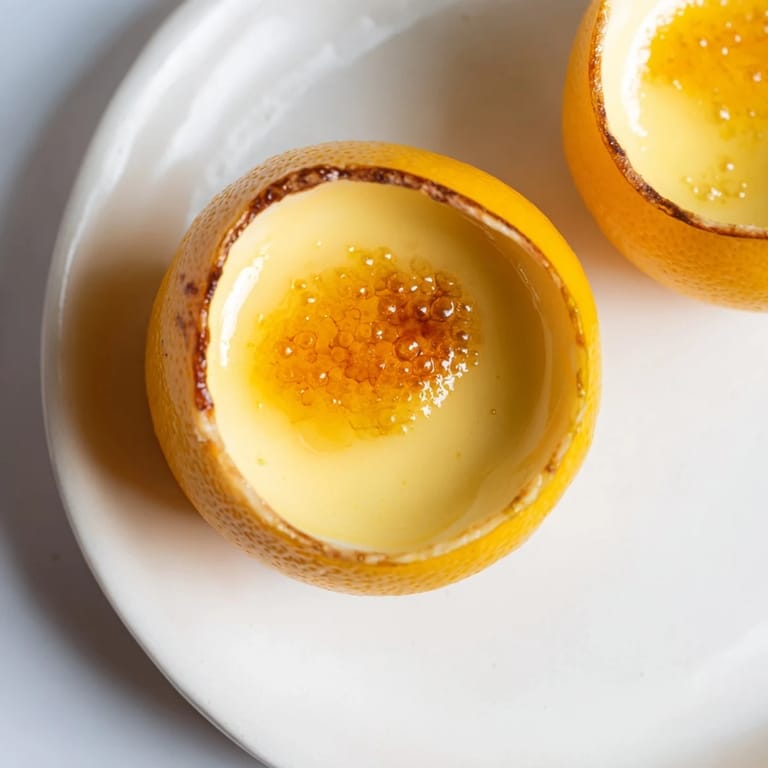
- Large lemons (6 for shells): Choose thick-skinned varieties that sit flat when halved; thin-walled lemons crack or tip over when filled.
Tired of Takeout? 🥡
Get 10 meals you can make faster than delivery arrives. Seriously.
One email. No spam. Unsubscribe anytime.
Instructions
- Hollow out your lemon vessels:
- Halve each lemon lengthwise and scoop out the insides with a melon baller or small spoon, being gentle so the shell stays intact. Slice a thin disc off the bottom of each shell so it won't rock when you fill it—I learned this after my first attempt ended with posset pooling across a plate.
- Heat cream with sugar and zest:
- Combine cream, sugar, and zest in a saucepan and bring to a gentle boil, stirring until the sugar completely dissolves. Let it simmer for 3 minutes—you'll see the surface shimmer—then pull it from heat before it boils over and creates a mess.
- Add lemon juice and watch the magic:
- Pour the freshly squeezed lemon juice into the hot cream while stirring steadily. It will visibly thicken, turning from pourable to luxurious in seconds—this is the acid curdling the cream into that signature silky posset texture. Let it cool for 10 minutes, then strain through fine mesh to remove the zest pieces for an ultra-smooth finish.
- Fill and chill:
- Carefully pour the warm mixture into your chilled lemon shells, filling nearly to the rim. Refrigerate for at least 3 hours until the posset sets firm but still feels pillowy when you press it.
- Brûlée just before serving:
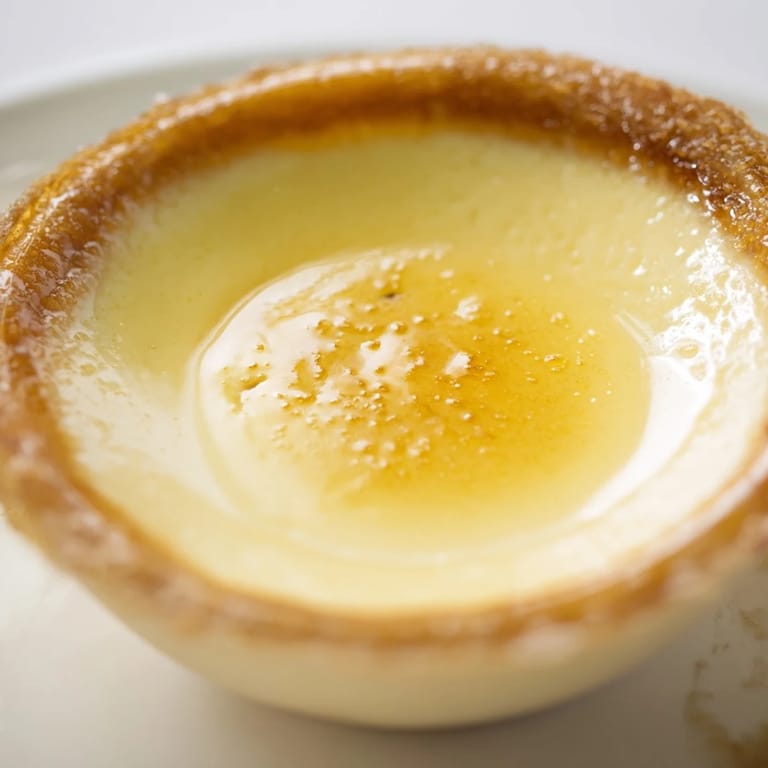
- Sprinkle about 1 teaspoon of caster sugar evenly across each posset, then use a kitchen blowtorch to caramelize it into a golden-brown crackling top. If you don't have a torch, place shells under a very hot grill for 1–2 minutes, watching constantly so the sugar caramelizes without the posset underneath warming.
 Save
Save What moved me most about this dessert was realizing it's less about complexity and more about respecting simple, quality ingredients. It's the kind of dish that reminds you why cooks fall in love with cooking in the first place—because three things done right can be more beautiful than ten things done just okay.
Why This Dish Feels Special
Posset is one of Britain's oldest desserts, dating back centuries, and there's something grounding about serving food with that kind of history. Modern versions use just cream and acid to create texture, which feels almost meditative once you understand it. The fact that you serve it in the fruit's own shell brings everything full circle—there's honesty in that, a kind of edible poetry that diners pick up on without needing explanation.
Playing with Flavor
Once you've made the basic version, you'll realize the cream base is a canvas. During summer, I've infused it with fresh basil or thyme by letting them steep in the hot cream for 5 minutes before straining them out—the herbal notes echo the brightness of the lemon without overwhelming it. In winter, a pinch of cardamom or a whisper of vanilla transforms it into something more autumnal, though the lemon stays the star.
Serving and Storage Wisdom
Make the posset itself up to a full day ahead—it actually firms up and develops flavor as it sits in the cold. The only part that must happen last-minute is the brûlée topping, which should go on within 30 minutes of serving so the sugar stays crisp and doesn't absorb moisture from the air. Pair these with something equally refined: crisp shortbread, almond biscuits, or even a simple butter cookie that contrasts with the luxurious cream.
- Serve chilled, straight from the fridge, and watch for that satisfying moment when a spoon cracks through caramelized sugar.
- If anyone has a dairy allergy, you can experiment with coconut cream as a substitute, though the flavor and texture shift noticeably.
- These look stunning plated on a white surface or dark slate—let the golden shells and pale cream do the visual work.
 Save
Save This is the dessert I reach for when I want to feel like a confident cook, and more importantly, when I want to give someone a moment they'll actually remember. Make it once, and it becomes yours to share.
Recipe Guide
- → How do I prepare the lemon shells?
Halve large lemons lengthwise, gently scoop out the flesh while keeping the shells intact. Trim the bottoms so they stand upright and refrigerate until ready to use.
- → Can I infuse the cream with herbs?
Yes, adding thyme or basil during simmering enhances the flavor. Remove the herbs before mixing in lemon juice.
- → What if I don't have a kitchen blowtorch?
You can caramelize the sugar under a very hot grill or broiler, but watch carefully to avoid burning.
- → How long should the posset chill?
Chill the mixture for at least three hours to ensure it sets properly with a smooth, creamy texture.
- → What is a good accompaniment for this dessert?
Crisp shortbread or almond biscuits complement the creamy texture and bright lemon flavor beautifully.