 Save
Save There's something magical about arranging food on a board without any real cooking involved. I was hosting friends on a lazy afternoon, the sun streaming through the kitchen windows, and I realized I'd forgotten to plan anything elaborate. So I grabbed what I had—creamy feta, fresh vegetables, soft mozzarella—and started placing them with intention rather than rushing through a recipe. That's when it hit me: sometimes the most memorable meals aren't about what you cook, but how you present what you have.
I'll never forget my neighbor leaning over the board and saying, "This looks like something from a resort," when really it was just whatever was in my fridge arranged with breathing room. She loaded up a plate with cucumber slices, a cube of feta, some olives, and hummus, then sat down on the patio looking completely content. That's when I understood the real trick: space on a board is just as important as the food itself.
Ingredients
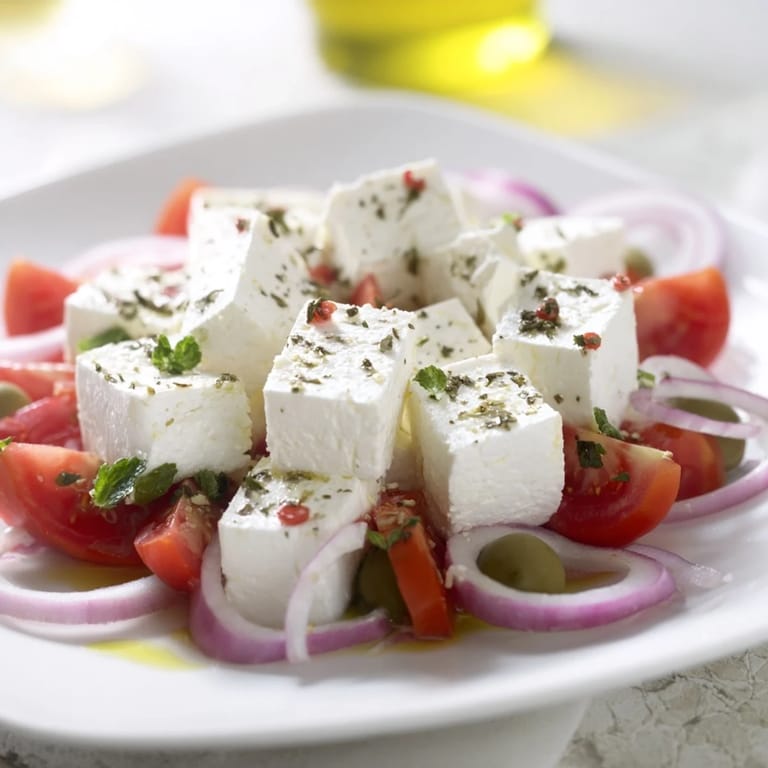
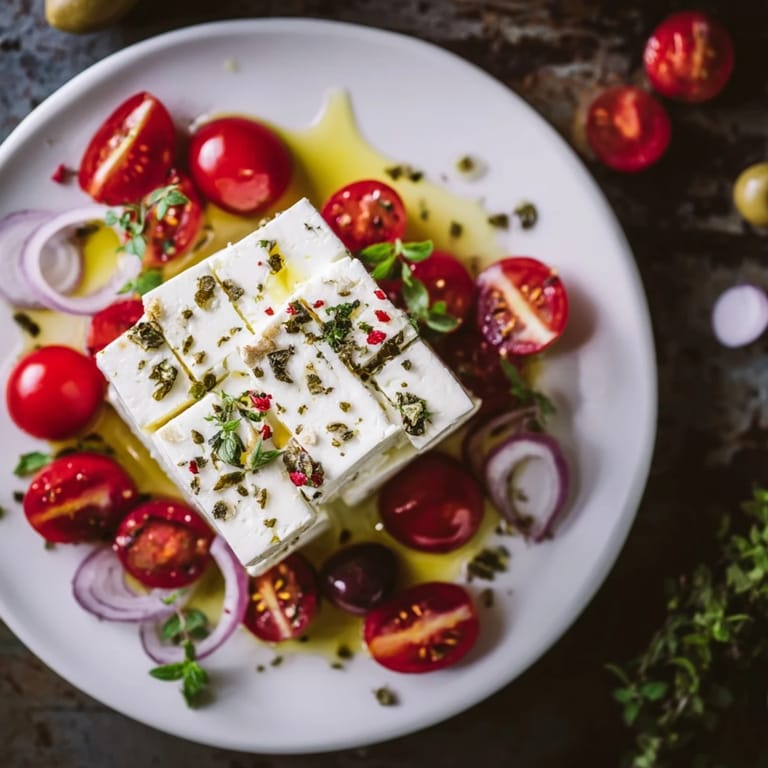
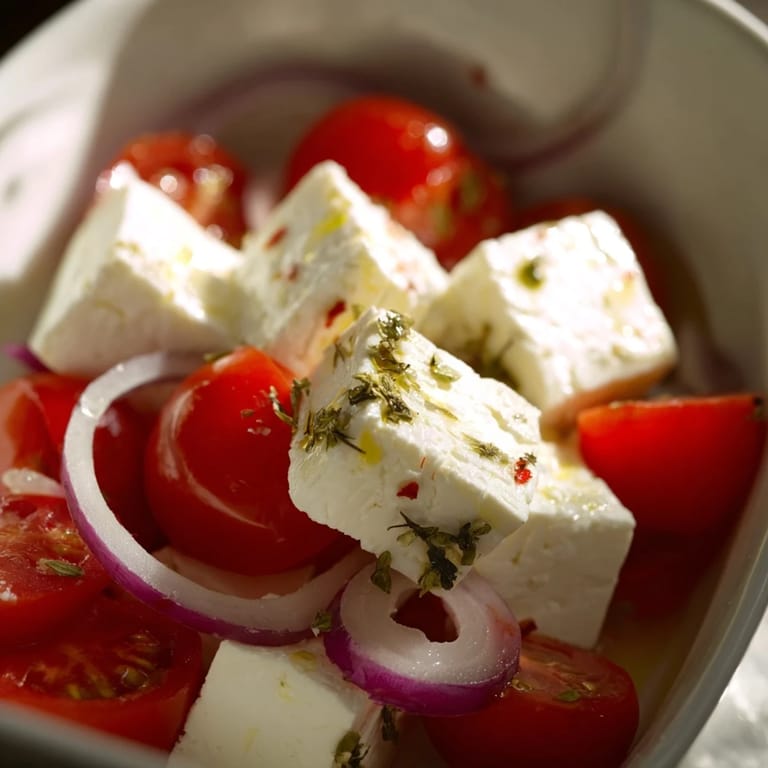
- Feta cheese, 150 g cubed: The salty anchor of the board—buy it the day you're serving if you can, because it tastes fresher and holds its shape better when it hasn't been sitting in brine for weeks.
- Fresh mozzarella balls, 100 g drained: These soft pockets of creaminess balance the sharp feta; draining them well keeps the board from getting watery.
- Cucumber, 1 large, sliced into rounds: Cool and crisp, these are your palate-cleansing hero between bites of richer flavors.
- Cherry tomatoes, 1 cup, halved: Look for ones that smell sweet at the stem; they make all the difference in summer, and honestly, they're barely worth buying in winter.
- Yellow bell pepper, 1, sliced into strips: The sweetness here is gentle and natural, nothing like red peppers, and the color adds light to the board.
- Red onion, 1/2, thinly sliced: Raw onion brings a sharp bite that makes everything else taste sharper too—don't skip it, but don't pile it on either.
- Radishes, 1/2 cup, sliced: They add a peppery crunch that surprises people who've never thought about eating them raw with soft cheese.
- Kalamata olives, 1/2 cup, pitted: These briny little gems are the savory punctuation mark; pitting them yourself tastes better than store-pitted, though it takes patience.
- Hummus, 1/3 cup: A creamy bridge between the vegetables and bread; homemade is wonderful if you have time, but store-bought works beautifully too.
- Tzatziki, 1/3 cup: Cool, garlicky, and herbaceous, this is the dip that makes even the simplest cucumber feel special.
- Crispbreads or pita wedges, 1 cup: Choose something you actually want to eat, not just a vehicle; the bread matters here.
- Extra virgin olive oil, 2 tbsp: A good one here is worth it—drizzle it like you mean it, not like you're being stingy.
- Fresh mint and dill, sprigs: These are what transform a board from nice to unforgettable; if you don't have fresh herbs, the whole thing falls a little flat.
- Sea salt and cracked black pepper: Taste as you go; it's the seasoning that gives everything its voice.
Tired of Takeout? 🥡
Get 10 meals you can make faster than delivery arrives. Seriously.
One email. No spam. Unsubscribe anytime.
Instructions
- Start with the cheeses:
- Place your feta cubes and mozzarella balls in separate corners or clusters, leaving what feels like generous white space around them. You're not filling every inch; you're creating a composed landscape.
- Build the vegetable sections:
- Fan out your cucumbers in one area, pile the tomato halves nearby, arrange pepper strips, scatter the onion slices, and cluster the radishes. Think about color balance and how they'll look from above, because your guests absolutely will.
- Place the olives:
- Put these in a small pile or nestled in a tiny bowl; they're jewel-like and deserve their own moment.
- Position the dips:
- Spoon hummus and tzatziki into shallow bowls and set them right on the board so people don't have to hunt for them.
- Dress everything lightly:
- Drizzle the cheeses and vegetables gently with olive oil, then shower everything with sea salt and cracked black pepper. This is where seasoning happens; don't be shy.
- Finish with herbs:
- Scatter fresh mint and dill sprigs across the board like you're painting; they catch the light and smell incredible.
- Serve immediately:
- Place crispbreads or pita wedges nearby and let people build their own bites, because that's half the fun of a board like this.
 Save
Save I learned something about feeding people that day: sometimes the greatest compliment isn't "this tastes amazing," it's when someone sits down, takes their time picking through a board, and just... relaxes. My friend ate slowly, talked with her hands, and actually looked happy. No stress about a complicated recipe, no overthinking on my part. Just good food and good light and time to breathe.
The Art of the Board
A mezze board isn't really cooking; it's more like curation. You're choosing things that complement each other, both in flavor and in color, and arranging them so people want to eat them. The best boards I've made are the ones where I resisted the urge to maximize every square inch and instead thought about what would make someone's eye linger. White space is your friend here—it makes everything else look more precious.
Flavor Building
The genius of a mezze board is that each person gets to decide what combination of flavors they want in every bite. Someone might pair salty feta with cool cucumber and peppery radish. Someone else might dip bread into hummus, then top it with tomato and a drizzle of olive oil. There's no wrong way to eat this, which somehow makes it taste better. The tzatziki ties everything together with its herbal coolness, while the olives remind you that this is Mediterranean, grounded, real.
Seasonal Adjustments
In summer, when tomatoes are actually flavorful and cucumbers taste like water in the best way possible, this board sings. In winter, I lean harder on the cheese, add some nuts for texture, and use pickled vegetables to add brightness. The core idea stays the same—beautiful things arranged with intention—but you shift what goes on the board based on what's actually good right now. That's the real skill: knowing when something is worth buying and when you should wait.
- Taste your tomatoes before you buy them if the vendor lets you; a flavorless tomato will ruin the whole board.
- Keep your knife sharp and your cutting board dry so vegetables stay crisp and don't get bruised as you slice.
- If you're making this ahead, keep everything separate until the last moment, then assemble and serve immediately.
 Save
Save This is the kind of meal that reminds you why you cook in the first place—not for complexity or techniques, but for the simple joy of feeding people something beautiful that they actually want to eat. Serve it on your best board, pour cold wine, and let the afternoon do the rest.
Recipe Guide
- → What cheeses are used in this mezze?
Feta cheese cubes and fresh mozzarella balls (bocconcini) create a creamy and tangy cheese selection.
- → How are the vegetables prepared?
Vegetables like cucumber are sliced into rounds, cherry tomatoes halved, and bell pepper and radishes sliced for easy grabbing and an attractive presentation.
- → What dips accompany the platter?
Classic Mediterranean dips hummus and tzatziki complement the cheeses and vegetables with creamy, tangy flavors.
- → How is the platter arranged for serving?
Ingredients are spaced generously on a large board or platter, creating airy clusters that invite easy picking and a visually appealing display.
- → Are there suggestions for dietary adjustments?
Plant-based feta and vegan mozzarella alternatives can be used for a vegan variation, and gluten-free crispbreads ensure it’s gluten-free friendly.
- → What garnishes enhance the flavors?
Fresh mint and dill sprigs add aromatic freshness, along with a drizzle of extra virgin olive oil and a sprinkle of sea salt and cracked black pepper.