 Save
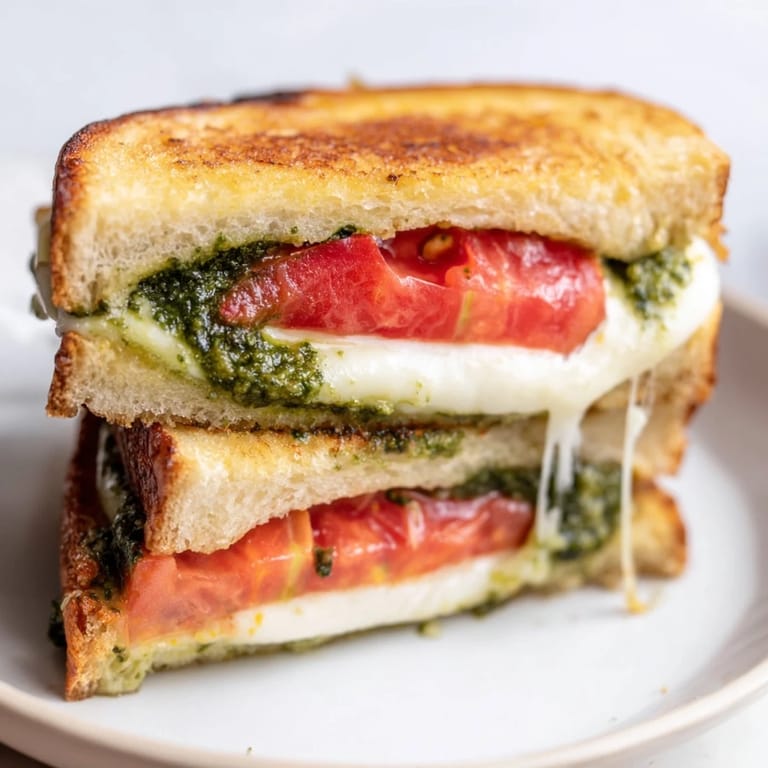
Save The smell of butter browning in a hot skillet used to wake my roommate every Saturday morning. I'd gotten into the habit of making grilled cheese with whatever I had left in the fridge, and one week all I had was a tub of pesto, half a ball of mozzarella, and a tomato that was about to turn. That sandwich changed everything. It tasted like summer in Italy even though I'd never been, and I've been making it ever since whenever I need something comforting but a little less ordinary.
I made this for my sister once when she stopped by unannounced, stressed about work and starving. She sat at my counter, quiet at first, then halfway through her sandwich she looked up and said it tasted like a vacation. We didn't talk much after that, just ate and listened to the rain outside. Sometimes food doesn't need to be complicated to feel like exactly what someone needed.
Ingredients
- Fresh mozzarella (4 oz, sliced): This is the heart of the sandwich, it melts soft and creamy without getting greasy, and the milky flavor pairs perfectly with pesto and tomato.
- Ripe tomato (1 large, sliced into rounds): Use the ripest tomato you can find because it adds juicy sweetness and a little acidity that cuts through the richness of the cheese.
- Basil pesto (2 tbsp): This is where all the flavor lives, look for a good quality pesto with visible basil and a strong garlic note, or make your own if you have time.
- Rustic or sourdough bread (4 slices): A sturdy bread with some texture holds up to the moisture from the tomato and gives you those crispy, golden edges that make grilled cheese worth it.
- Unsalted butter (2 tbsp, softened): Softened butter spreads easily and evenly, which means every inch of bread gets golden and crisp without burning.
- Salt and freshly ground black pepper: Just a pinch on the tomatoes wakes up their flavor and balances the richness of the cheese and pesto.
- Fresh basil leaves (2 tbsp, optional): A few torn leaves on top at the end add a pop of color and a fresh, aromatic finish.
Tired of Takeout? 🥡
Get 10 meals you can make faster than delivery arrives. Seriously.
One email. No spam. Unsubscribe anytime.
Instructions
- Butter the Bread:
- Spread half a tablespoon of softened butter on one side of each slice of bread, making sure to get all the way to the edges. This is what gives you that crispy, golden crust that crackles when you bite into it.
- Prep Your Workspace:
- Lay two slices of bread on a cutting board, buttered side down, so you're looking at the unbuttered surface. This is your canvas.
- Spread the Pesto:
- Smear a tablespoon of pesto onto each unbuttered side, spreading it evenly like you're frosting a cake. Don't be shy, you want that herby, garlicky flavor in every bite.
- Layer the Mozzarella and Tomato:
- Arrange the mozzarella slices over the pesto, then lay the tomato rounds on top and season them lightly with salt and pepper. The salt draws out a little moisture and makes the tomatoes taste more like themselves.
- Close the Sandwiches:
- Top each sandwich with the remaining bread slices, buttered side facing out. Press down gently so everything sticks together.
- Heat the Skillet:
- Warm a nonstick skillet or griddle over medium heat and let it get hot but not smoking. Medium heat is key, it gives the cheese time to melt without burning the bread.
- Cook the First Side:
- Place the sandwiches in the skillet and let them cook undisturbed for 3 to 4 minutes until the bottom is deep golden brown and crisp. You'll hear a gentle sizzle and smell the butter toasting.
- Flip and Finish:
- Flip the sandwiches carefully with a spatula and cook the other side for another 3 to 4 minutes until golden and the cheese is fully melted. Press down lightly with the spatula if you want extra crispy contact points.
- Rest and Serve:
- Remove the sandwiches from the heat and let them sit for a minute or two so the cheese sets slightly and doesn't spill everywhere when you cut. Slice in half, garnish with fresh basil if you like, and serve immediately.
 Save
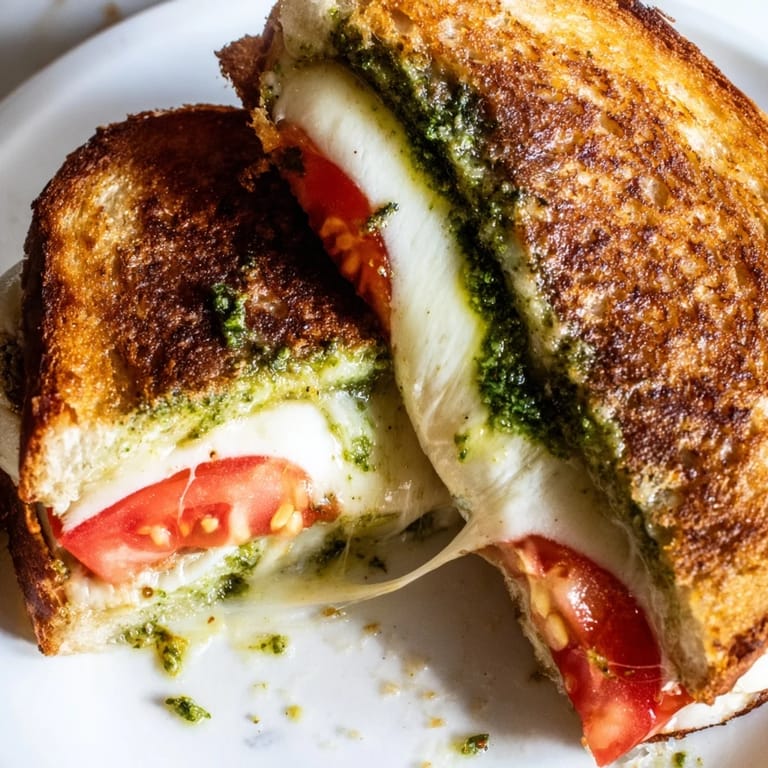
Save The first time I served this at a casual dinner, someone asked if I'd ordered it from a cafe. I laughed and said no, it's just grilled cheese, but fancier. That's when I realized how something so simple could feel special just because you took a little extra care. Now it's my go to whenever I want to impress someone without actually trying that hard.
Choosing the Right Bread
I used to grab whatever sandwich bread was on sale, but I learned the hard way that flimsy bread turns into mush under the weight of tomatoes and melted cheese. A good rustic sourdough or ciabatta has structure and a slight chew that holds everything together and gets beautifully crispy on the outside. The crust matters too, it adds texture and flavor that plain white bread just can't match. If you can find a bakery loaf, even better, the irregular crumb traps little pockets of melted cheese.
Getting the Cheese Just Right
Fresh mozzarella is softer and wetter than the low moisture kind, which means it melts into creamy pools instead of those rubbery strings you get from pre-shredded cheese. The trick is to slice it about a quarter inch thick so it melts evenly without making the sandwich too heavy. I once used a whole ball of mozzarella in one sandwich and it was a glorious mess, cheese everywhere, but I learned that less is actually more when you want balance. If your mozzarella is really wet, pat it dry with a paper towel first.
Variations and Swaps
This sandwich is forgiving and loves to be played with depending on what you have or what you're craving. I've added arugula for a peppery bite, drizzled balsamic glaze over the tomatoes for a sweet tang, and even tucked in a few slices of prosciutto when I wanted something heartier. If you're avoiding dairy, plant based mozzarella and vegan pesto work surprisingly well, just check that your pesto doesn't have parmesan hiding in it. Whole wheat or seeded bread gives it a nuttier flavor, and if you're feeling wild, try it on a croissant for the ultimate indulgence.
- Add a handful of fresh arugula or spinach for a peppery, green crunch that balances the richness.
- Drizzle balsamic glaze on the tomatoes before closing the sandwich for a sweet, tangy kick.
- Swap in sun dried tomatoes if fresh ones aren't in season, they add concentrated flavor and a chewy texture.
 Save
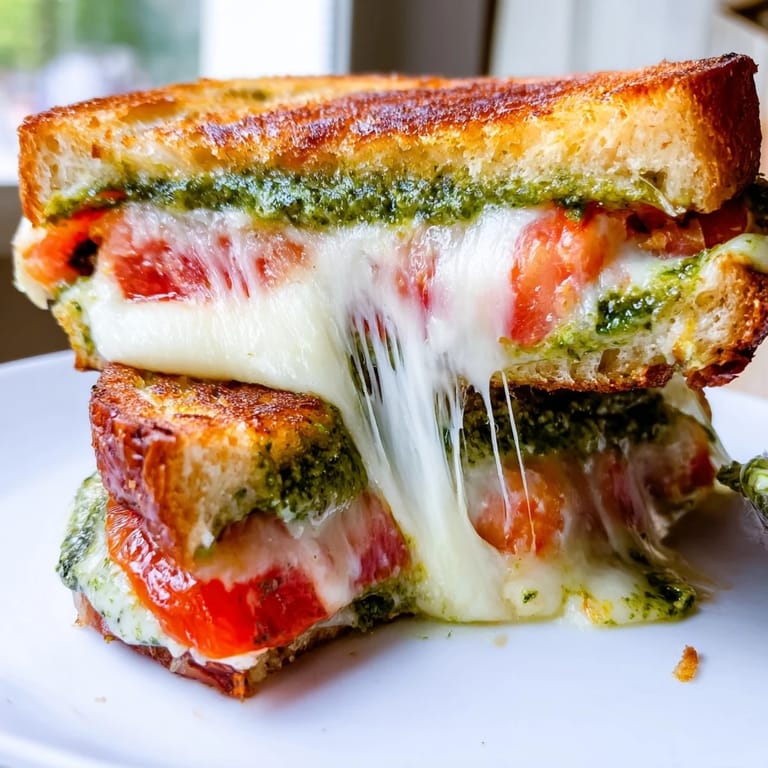
Save There's something about the way the pesto smells when it hits the hot skillet, herby and garlicky and just a little toasty, that makes this sandwich feel like more than lunch. I hope it becomes one of those recipes you come back to when you need something easy but special, the kind of meal that reminds you that good food doesn't have to be complicated.
Recipe Guide
- → What type of bread works best for this sandwich?
Rustic or sourdough bread provides excellent texture and structure. You can also use ciabatta or whole wheat for variety. Choose bread with a sturdy crust to prevent sogginess from the fresh tomato and pesto.
- → Can I prepare this sandwich ahead of time?
Assemble the sandwiches up to 2 hours ahead, but don't cook them until ready to serve. Cover and refrigerate to keep ingredients fresh. Cook immediately before eating for the best crispy exterior and melted cheese.
- → How do I keep the bread from getting soggy?
Pat the tomato slices dry with paper towels before layering. The pesto layer acts as a moisture barrier between bread and tomato. Cooking until golden and crispy helps seal the exterior.
- → What are good substitutes for fresh mozzarella?
Fresh mozzarella is ideal for melting, but you can use buffalo mozzarella or even regular mozzarella slices. For a vegan option, use plant-based mozzarella that melts well. Avoid low-moisture mozzarella as it won't achieve the same creamy texture.
- → Can I make this sandwich dairy-free or vegan?
Yes! Replace fresh mozzarella with vegan mozzarella and use dairy-free butter. Make or purchase vegan pesto, or use dairy-free pesto alternatives. Check that your bread is vegan-friendly, as some contain dairy or eggs.
- → What temperature should the skillet be for cooking?
Use medium heat on your skillet or griddle. This allows the bread to turn golden and crispy while giving the cheese enough time to melt completely. Too high heat will burn the bread before cheese melts; too low won't achieve the desired crispness.